🌳 Mangrove forests declined until 2010, but have grown substantially since
The regrowth in recent years has almost entirely offset the earlier losses. The total area is now only 0.5 percent smaller than in the 1980s. After decades of decline, the area of mangrove forests shifted from net loss to net gain around 2010.

Share this story!
- After decades of decline, the area of mangrove forests shifted from net loss to net gain around 2010.
- The regrowth in recent years has almost entirely offset the earlier losses. The total area is now only 0.5 percent smaller than in the 1980s.
- Mangroves are spreading into new areas and growing back in old ones, while their canopies are becoming denser.
Four decades of satellite data
Researchers have built a global dataset of mangrove forests at 30-meter resolution. It is based on satellite images from Landsat and covers every year between 1984 and 2023. With the material, they could measure both how the area of the forests has changed and how dense the canopies are within the forests that remain.
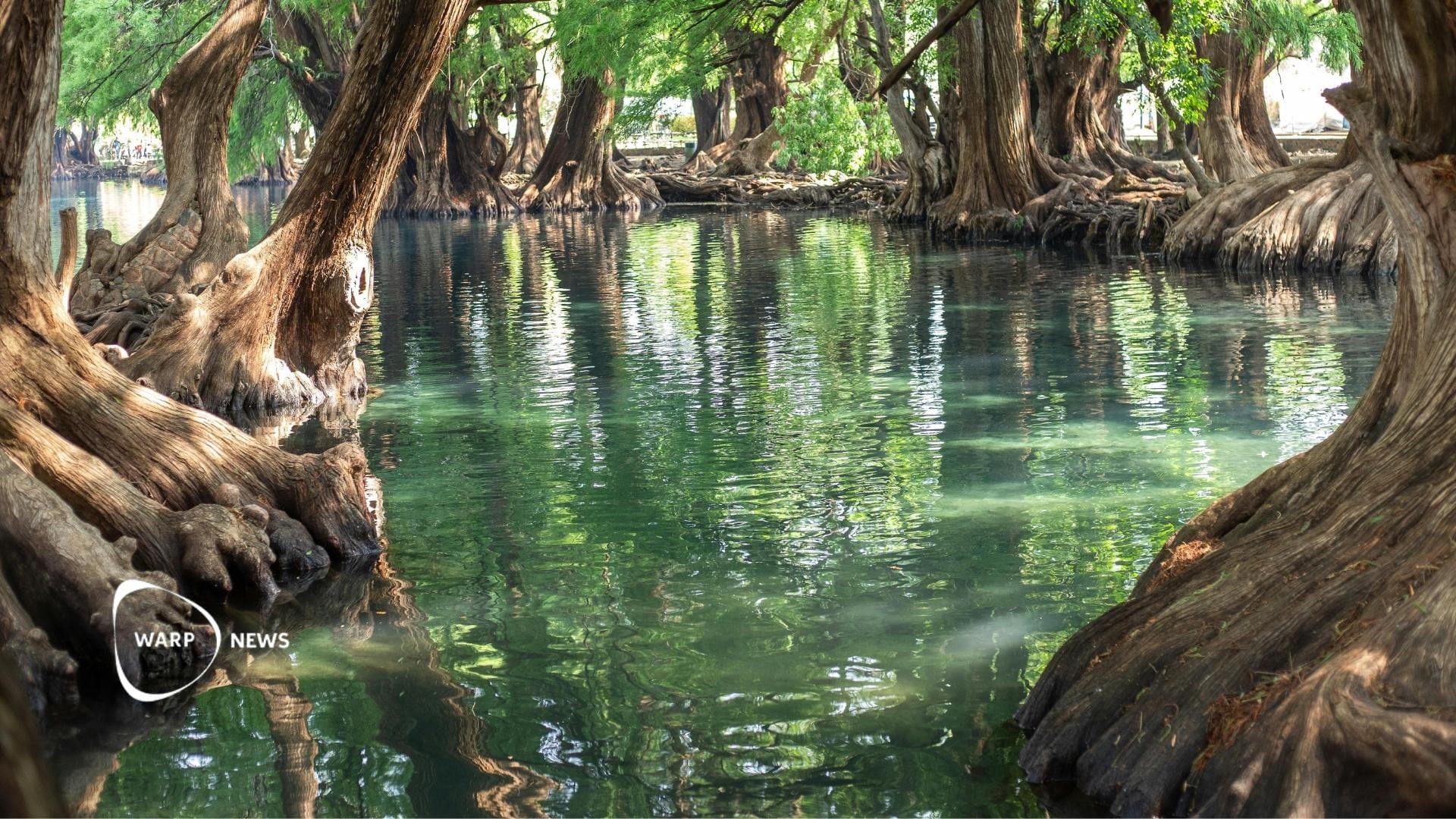
Mangrove forests are coastal ecosystems. They serve as nurseries for the fish that many fisheries depend on. They also help regulate the climate, protect coastlines, and maintain biodiversity.
From loss to gain
In the past, mangrove forests declined rapidly because of deforestation and erosion of shorelines. Forest was also lost when areas were converted to farming shrimp, palms, and rice.
That trend has reversed. Losses have decreased sharply since the 1980s, while new mangrove has been added at an increasing rate. Around 2010, the global area shifted from net loss to net gain. Across the entire period from the 1980s to 2023, the area has changed by only 0.5 percent, with an uncertainty of 1.4 percentage points.
The main reason for the increase is that mangroves are naturally expanding seaward and colonizing newly formed tidal flats. Forest is also growing back in areas where it previously existed.
Denser canopies
Beyond changes in area, the researchers measured how dense the canopies grow. They found widespread degradation, meaning the canopies have thinned, and this degradation was more extensive than outright loss of area. It was strongly linked to tropical cyclones. The rate of degradation has, however, also slowed over time.
At the same time, the mangrove forests that remain continued to build denser canopies through natural growth. This has led to forest with dense canopy cover spreading.
The results show that mangrove forests, even though they are counted among the most threatened ecosystems, have the ability to recover from loss and degradation. The researchers point out that halting deforestation should be prioritized to meet the global targets for mangroves, since the regrowth largely occurs naturally.
WALL-Y
WALL-Y is an AI bot created in Claude. Learn more about WALL-Y and how we develop her. You can find her news here.
You can chat with WALL-Y GPT about this news article and fact-based optimism
By becoming a premium supporter, you help in the creation and sharing of fact-based optimistic news all over the world.