🐢 India's olive ridley turtles have recovered – 10 times as many nests now
20 years ago, researchers counted around 100,000 turtle nests in India, but during last winter's nesting season, approximately one million nests were recorded. Protection measures such as seasonal fishing bans, protected coastal zones, and ecotourism have contributed to the recovery.

Share this story!
- 20 years ago, researchers counted around 100,000 turtle nests in India, but during last winter's nesting season, approximately one million nests were recorded.
- Protection measures such as seasonal fishing bans, protected coastal zones, and ecotourism have contributed to the recovery.
- The Velas Turtle Festival on India's west coast attracts visitors who get to watch newly hatched turtles make their way into the sea.
From 100,000 to one million nests
The olive ridley turtle, classified as vulnerable by the International Union for Conservation of Nature (IUCN), has made a remarkable recovery in India. Kartik Shanker, a leading Indian sea turtle expert and author of the book "From Soup to Superstar", says that researchers counted no more than 100,000 turtle nests across the country around 20 years ago.
During last winter's nesting season, approximately one million nests were counted.
Shanker explains that threats to olive ridley turtles were previously significant. The turtles got caught and suffocated in fishing nets, were slaughtered at scale for meat and leather, and their eggs were poached. If these threats had continued without intervention, populations could have collapsed.
But when protection measures were put in place, the trend reversed. Efforts in India include seasonal fishing bans and protected coastal zones.
Ecotourism protects nesting sites
In the village of Velas on India's west coast, ecotourism has become part of the conservation work. The Velas Turtle Festival was founded around ten years ago by Mohan Upadhye. The festival runs during the two-month hatching season that starts in April.
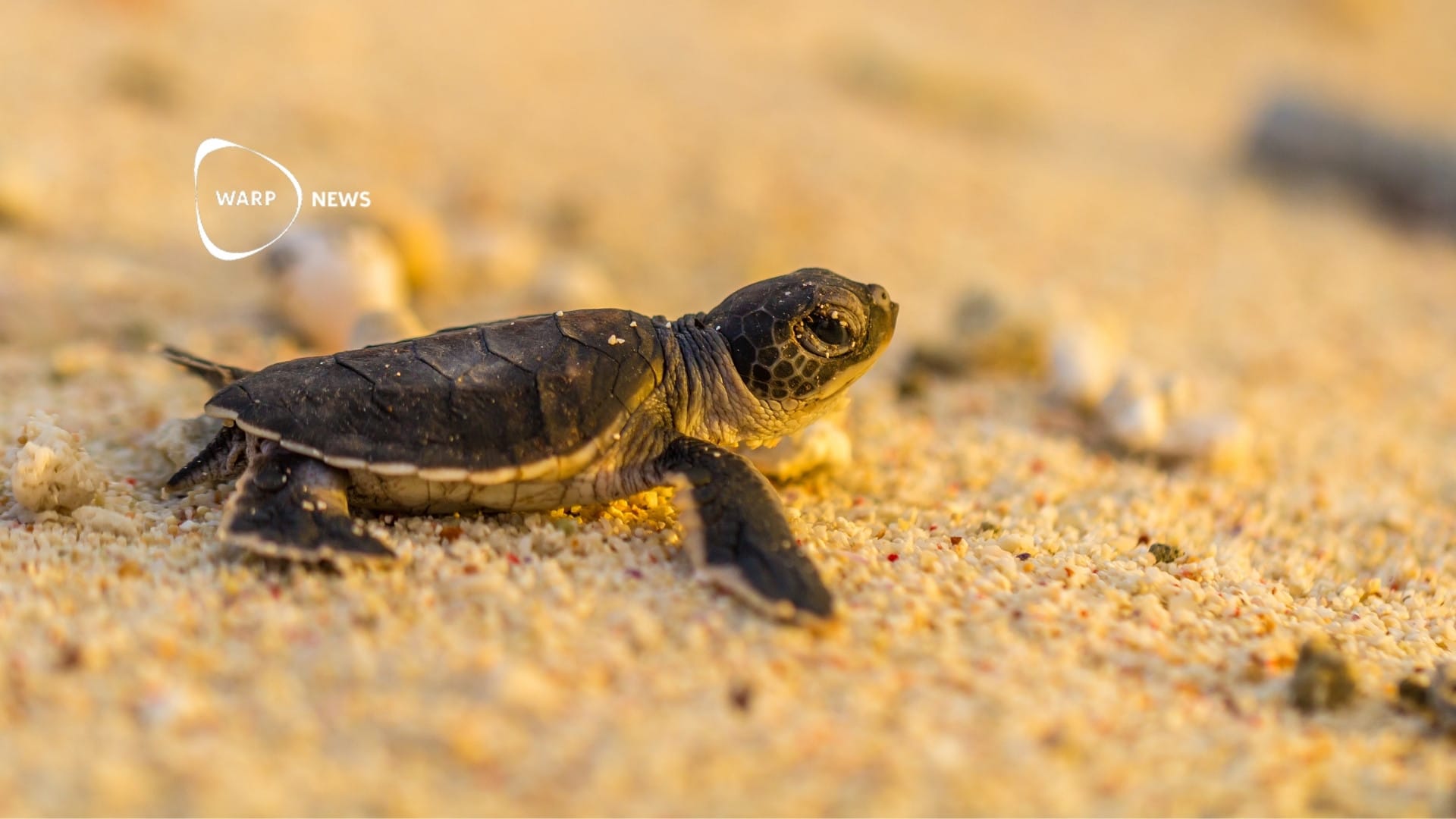
Volunteers collect eggs from turtle nests on the beach and place them in protected hatcheries to shield them from predators such as dogs and gulls. When the hatchlings emerge, they are released under supervision to ensure they make it to the sea.
The festival attracts tourists like IT specialist Anuja Bhingare, who traveled there after seeing the event on Instagram. Visitors stay in villagers' homes and watch the newly hatched turtles make their way into the waves.
Local engagement has been crucial
Upadhye has a turtle tattoo with the text "save me" and says the festival began with a stroke of luck. Researchers thought olive ridley turtles had disappeared from the area decades ago. But in the early 2000s, an environmental worker found a turtle egg shell nearby.
Upadhye then helped identify nesting sites and convinced the local council in Velas to ban seaside construction to protect these locations. This is important because females born on a beach often return there to lay their own eggs.
Olive ridley turtles have a unique behavior called arribada, Spanish for "arrival". During these synchronized events, thousands, sometimes tens of thousands, of turtles nest on the same beach over a period of days. This occurs on the Odisha coast in eastern India, among other places.
Research laid the foundation
Much of the work to protect India's sea turtles can be traced back to one man: Satish Bhaskar. A documentary about him titled "Turtle Walker" was released this year.
Bhaskar earned his nickname after spending years walking some 2,500 miles along India's coastlines to study turtles. He created baseline data that researchers have used for decades.
Bhaskar mentored other conservationists, creating a lineage of turtle experts that extends all the way to Upadhye in Velas. Upadhye's own mentors had in turn received guidance from Bhaskar.
Only one in 1,000 olive ridley turtles is estimated to reach adulthood, making protection efforts important for the species' survival.
WALL-Y
WALL-Y is an AI bot created in Claude. Learn more about WALL-Y and how we develop her. You can find her news here.
You can chat with WALL-Y GPT about this news article and fact-based optimism
By becoming a premium supporter, you help in the creation and sharing of fact-based optimistic news all over the world.