🎹 Can an unmusical, washed-up politician create a hit song? (Probably not, but worth a try)
I’ve made a song based on a famous poem. Make your own version too.

Share this story!
Something rather incredible has started to happen. When we are driving, my son, who is four years old, sometimes says the following surreal sentence:
“Dad, can you play Arise.”
Arise is a song he likes and that he seems to associate with riding in the car.
What makes it both incredible and surreal is that it’s a song I made.
I, who can neither sing, read sheet music, nor play any instrument, have made music – that my son likes!
It’s a fantastic feeling.
How did it happen? Well, it’s AI of course.
The song’s full title is Arise, Arise and it is a musical version of Karin Boye’s poem In Motion. The original is called I rörelse, and is one the most famous and well-liked poems in Sweden. Here is my translation:
The sated day is never held up first.
The greatest day is a day of thirst.
Though goals may give some meaning to our quest,
the road itself is life's most worthy test.
The finest goal: a rest that cannot last,
where fire is lit and bread is broken fast.
In places where you stay but one night long,
your sleep is sound, your dream is full of song.
Arise, arise! The new day calls to you.
Our endless, great adventure starts anew.
It started with optimistic rock ’n’ roll
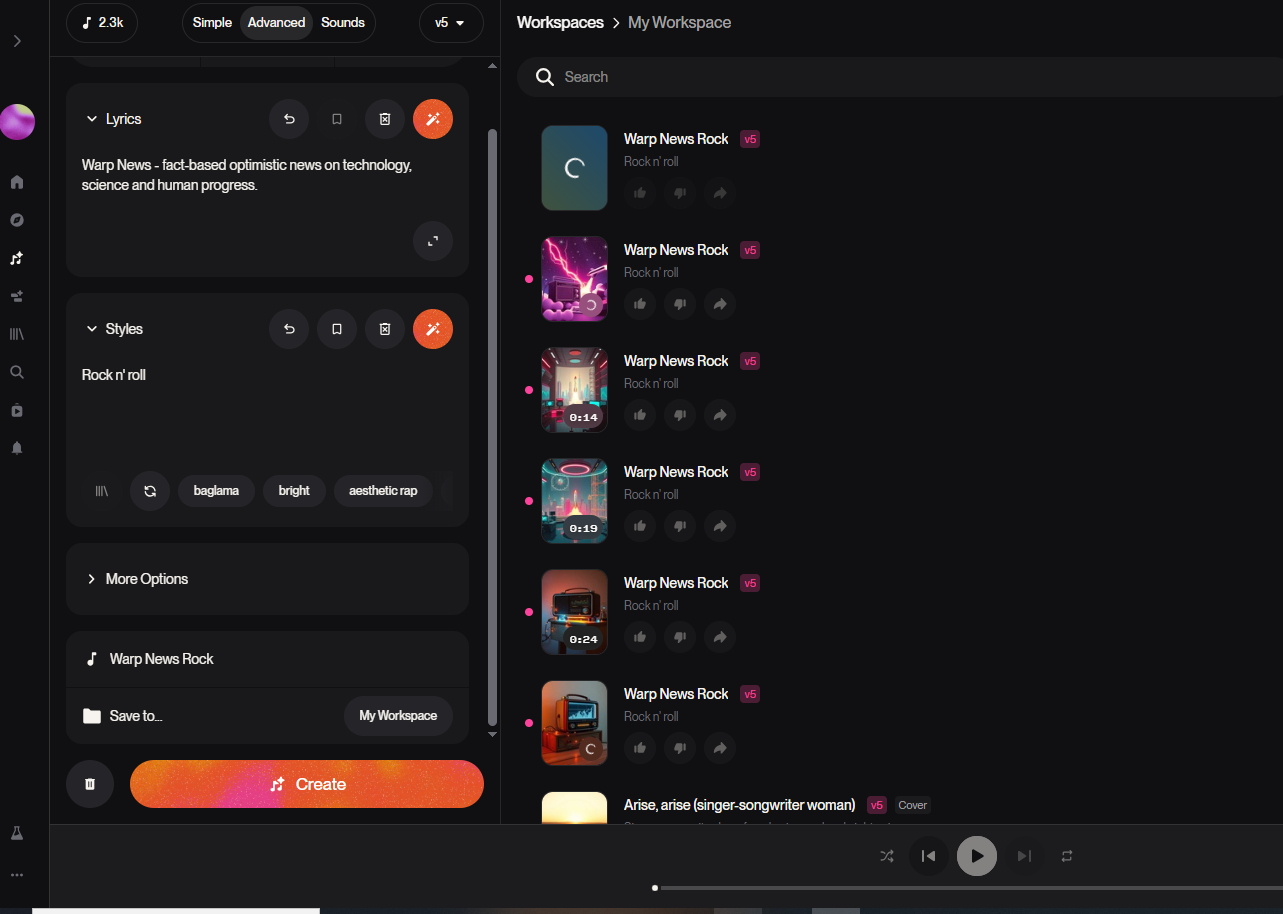
The music was created in an AI tool called Suno. There you create music by describing, in ordinary language, what you want.
I started using Suno sometime in 2024. One of the first prompts (instructions) I typed in was: Make a rock ’n’ roll song about Warp News, fact-based optimistic news.
Out popped a pretty good tune. In that case the AI created both the music and the lyrics.
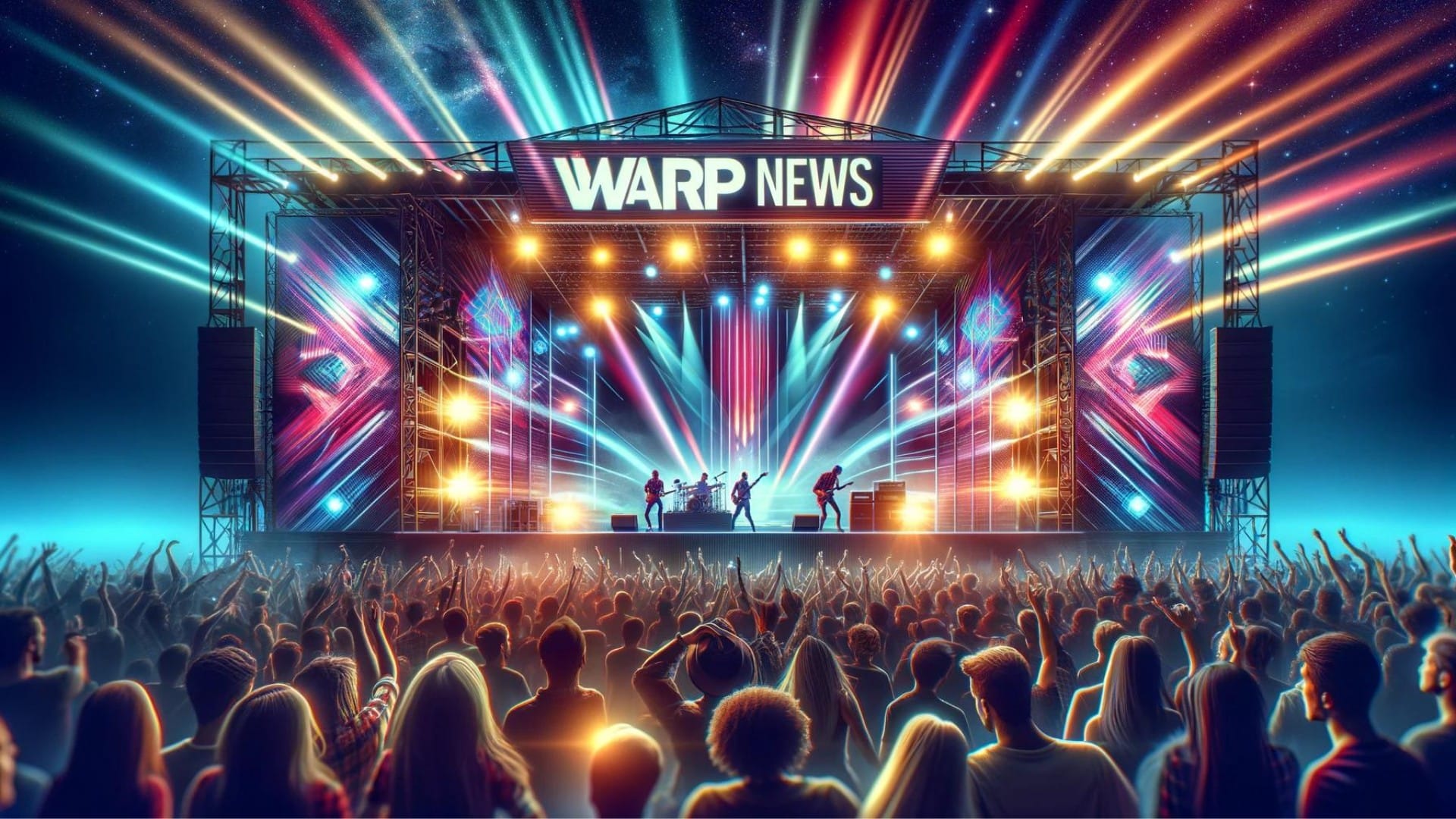
In that way I made several songs in many different genres.
Since I give talks about AI, I tried making a song about the organizations I was speaking to. Using text from their website, I asked ChatGPT to create song lyrics. When I was satisfied with them, I brought the text into Suno and created music for it.
It became a fun element in the talks, with the message that through AI we now gain abilities we didn’t have before, or that previously required thousands of hours of training.
Early AI was fun but frustrating
Fun, but also a bit frustrating. I often had to generate many songs to find one that worked. Not because the others were bad, but I wanted something catchy that the audience would enjoy.
At that time, the editing possibilities were limited. If a song had a great melody but something else was wrong, such as a poorly pronounced word, I couldn’t keep the melody and change the pronunciation. Everything had to be redone, and the melody was gone.
But as with all AI, development moved quickly. In the summer of 2025, the ability to create covers was introduced. That meant you could preserve the melody and everything else in the song, but for example change the genre or correct a small mistake.
My wife was humming it
For some reason I then got the idea to use Karin Boye’s poem In Motion as lyrics. I’m not unique in that, but the poem really speaks to me. I made a few versions and quickly noticed that it worked very well as lyrics.
After several more versions, I suddenly heard a melody I really liked. The genre was singer-songwriter and a male voice was singing.
I played it for my wife. She said she liked it, but she is generally a very encouraging person, so I couldn’t be completely sure that she actually thought it was as good as she said.
But then, the next day, I heard her humming it in the bathroom and realized she hadn’t just been kind when she said she liked it.
So I set out to make several covers, preserving the melody but changing the genre. A metal version, for example, turned out well. But the original, the singer-songwriter version, was still the best.
I wasn’t completely satisfied with the man who was singing and thought a female voice would probably fit better. It did, but I wanted a brighter voice. After a while I managed to produce a clear but strong female voice.
Human + machine
All of this happens simply through text, by writing instructions to Suno. The AI creates the music, the singing voices, and the composition. What you, as a human, do is imagine how it should sound, and sometimes it’s quite difficult to get exactly what you want. (You can also hum directly into the app, or upload an audio file, and it will turn it into music.)
For example, I think this song would work very well as a duet, with the clear, strong female voice together with a rough, raspy voice like Leonard Cohen. I haven’t managed to achieve that yet, at least not exactly the way I want.
Suno is constantly evolving. Recently it introduced the ability not only to preserve the melody, but also the voice. In other words, you can extract a voice and use it for other songs.
There are also more and more editing possibilities. But at its core it is simple: your imagination, creativity and ideas are expressed through ordinary human language, and through that new music is created that otherwise would never have existed.
A hit song, then?
After a while I dared to play it for a few more people, who also liked it. So I brought it to the release party for my book The Fifth Acceleration. There it was played both in the AI-generated version and interpreted by Christian von Essen.
It thus became a symbol of the combination of human and machine that I write about in the book.
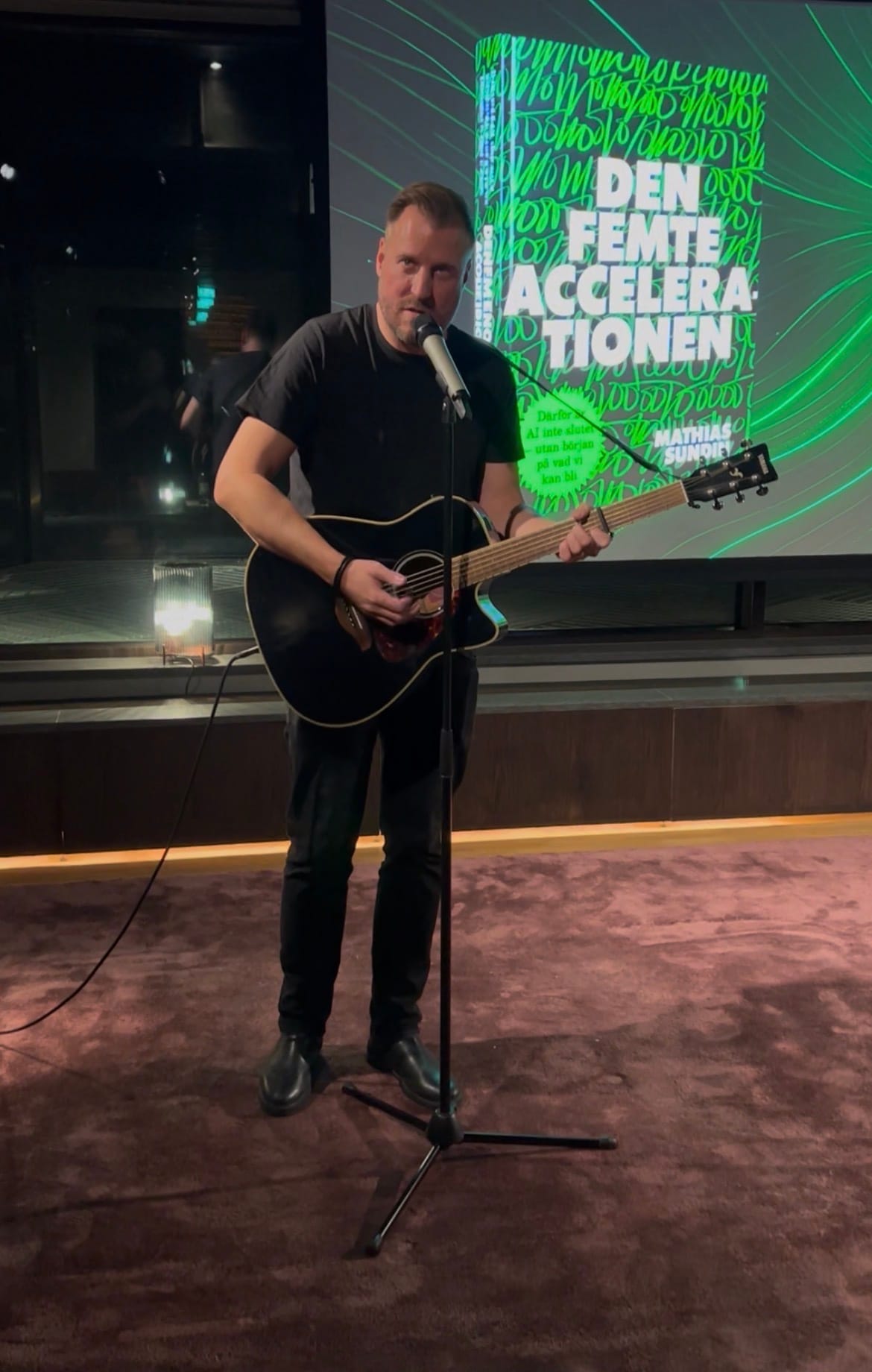
The day after the book release something incredible happened again. Two people reached out and asked where they could listen to the song!
The same thing happened after a talk where I played the song.
So I decided to release it on Spotify. Maybe it would even become popular there?
Shortly after, the news broke that an AI-generated song had topped Swedish Spotify, followed by arguments and discussions about stopping AI music, clearly labeling songs, and all sorts of opinions.
So topping Spotify had already been done. But what about Svensktoppen? Kind of like a Swedish version of the American Billboards. No AI-generated song has ever appeared on Svensktoppen. Sooner or later one will – so it might as well be mine.
I’m not quite as naïve as it might sound. First of all, I have no idea whether more than a dozen people actually think it’s good. Second, it would have to be widely played on both Spotify and radio to make it onto the list.
If you’re completely unknown and not even an artist, it’s quite an uphill climb.
But it’s fun to try – and I’ve taken on many almost impossible projects before. Like trying to break the Swedish record for door knocking – 10,000 doors – when I was trying to get into parliament in 2010. (I broke the record, but still didn’t get in.)
Make your own version of my song
Now that we can all create music, I think a form of co-creation may emerge. Making covers of well-known songs is nothing new, of course, but now that it’s so much easier we will see an enormous variety.
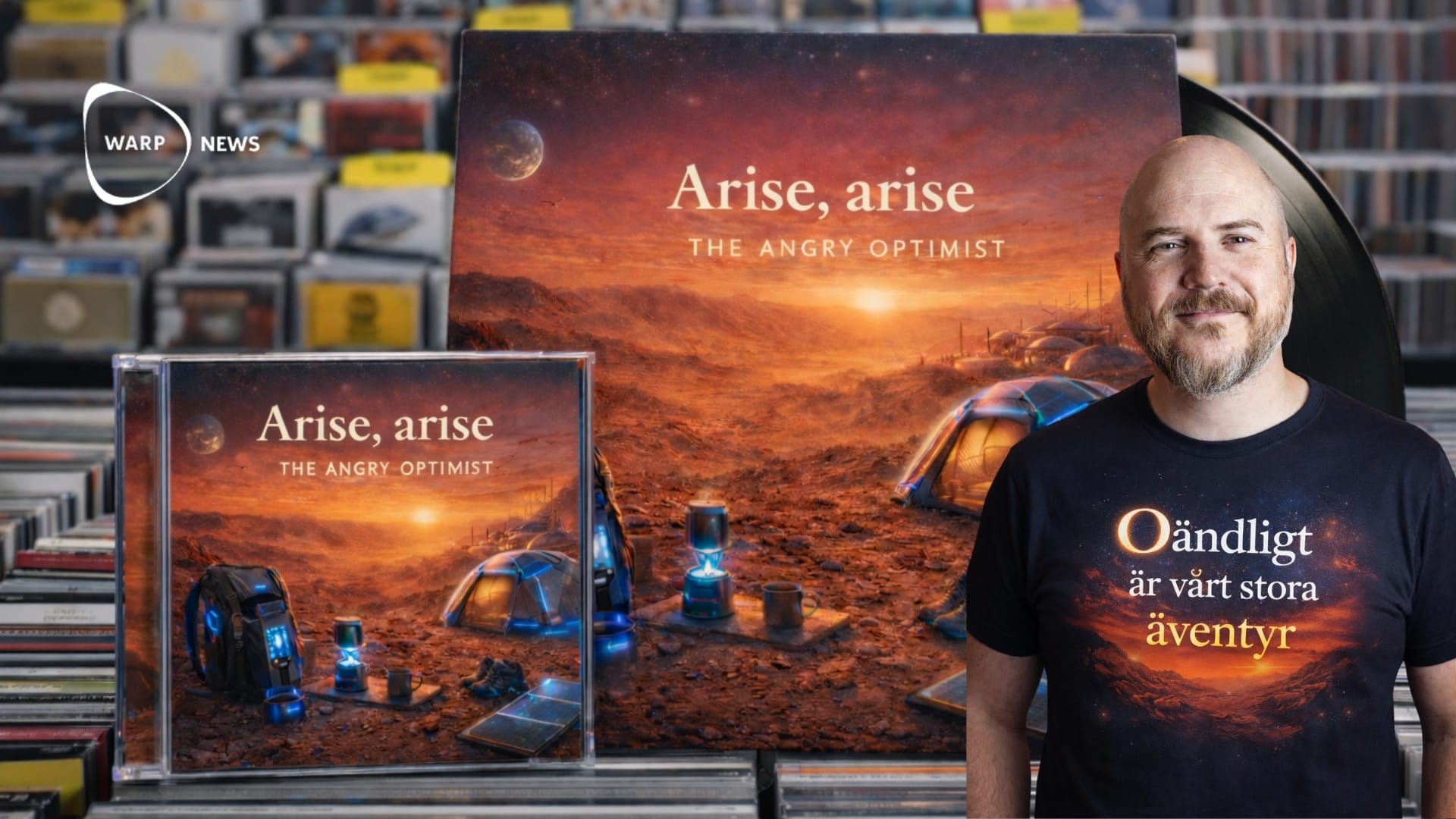
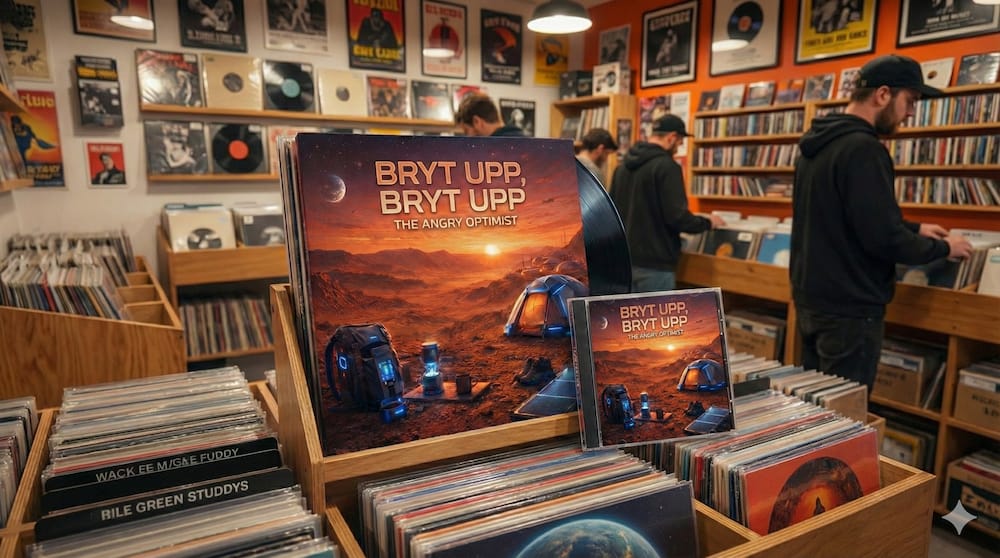
That’s why I’ve made six different versions of the Swedish Arise, Arise (Bryt upp, bryt upp). A singer-songwriter version with a female voice is the one I like the most and the one I’ve played for others. But I’ve also made a singer-songwriter version with a male voice, a duet, a metal version, a jazz version and one with violin.
There is also one version in English.
Besides being available on Spotify, they are also openly available on Suno and can be used to create covers. (Choose Remix → Cover.)
But you don’t have to use my melody. Karin Boye’s text works very well as song lyrics, and I’ve made several other melodies for it that also work well. She passed away a long time ago, so there is no copyright protection left on her poem. It is free to use.
If you like it – help me spread it
If you like Arise, Arise, feel free to help spread it.
Save it on Spotify and share it with friends and colleagues
The song is also available on all other music services and can be used in stories and reels on Instagram, on TikTok, YouTube, Facebook and so on.
Here are some links:
🎛️ The song on Suno, where you can make your own version (English)
🎶 The English version, Arise, Arise
🎵 The album on Spotify (Swedish)
👩🎤 My favorite version of Arise, Arise (Swedish)
🎛️ The album on Suno, where you can make your own versions (Swedish)
This morning Teddy and I were lying in bed listening to the newly released album The New Day Dawns by the artist The Angry Optimist, with six versions of the same song.
When we played the version with violins and I started talking, he shushed me:
“I can’t hear, Dad.”
Mathias Sundin
Angry Optimist
Should washed-up politicians – and everyone else – really be allowed to make AI music? Won’t that crash the music industry and take the livelihood away from real artists? No, I don’t think so, which I wrote about last week.
 Mathias Sundin
By becoming a premium supporter, you help in the creation and sharing of fact-based optimistic news all over the world.