
🌟 Premium Content
Essays on how to understand and create the future. By becoming a premium supporter you support the creation and spreading of fact-based optimistic news. Together, we share ideas with a global network of optimistic and entrepreneurial people.
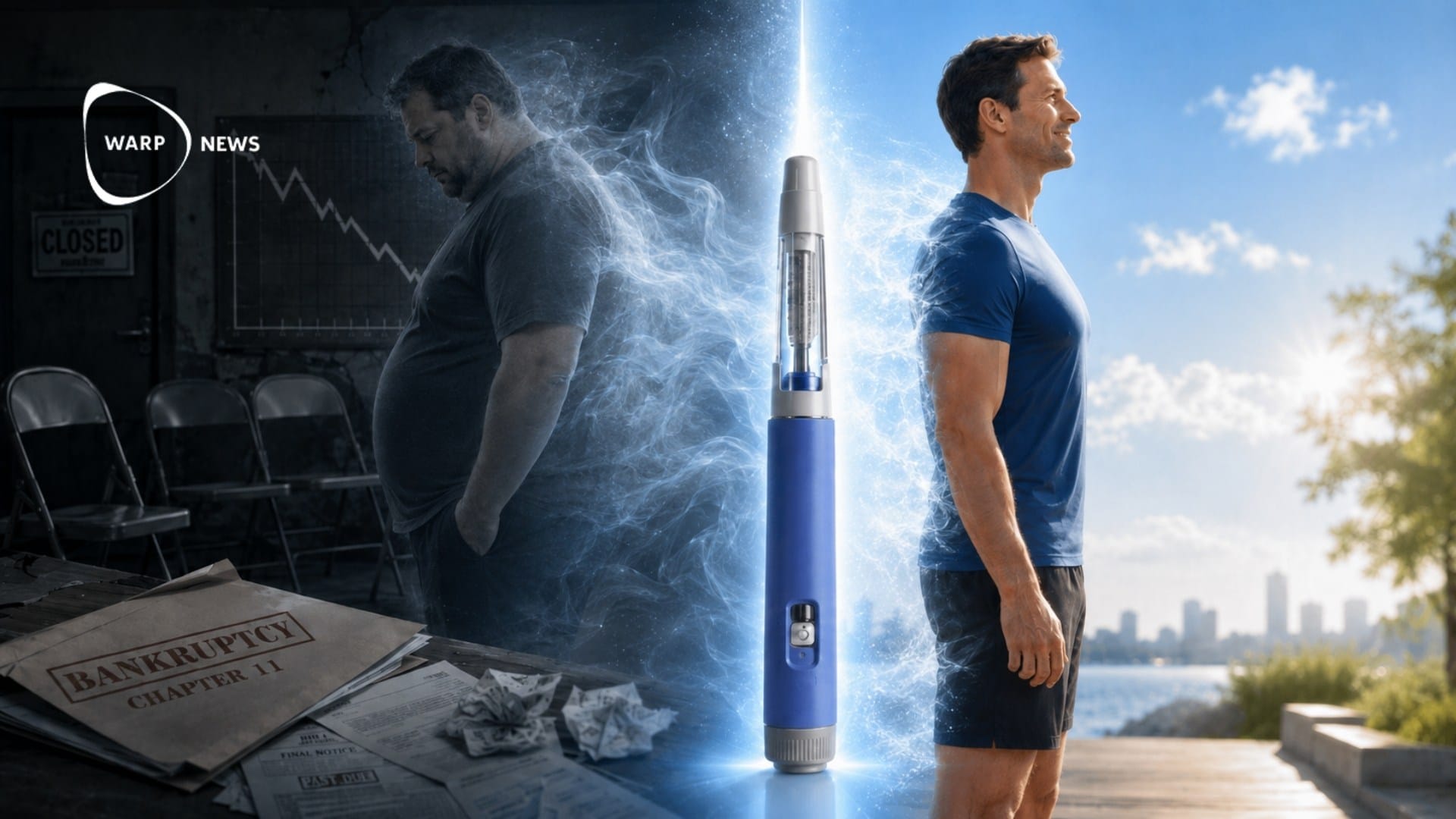
📉 WeightWatchers filed for bankruptcy because people lost too much weight
WeightWatchers did not fail because people stopped wanting to lose weight. It failed because they did lose weight, but in a different way. A way that points to a coming health revolution.
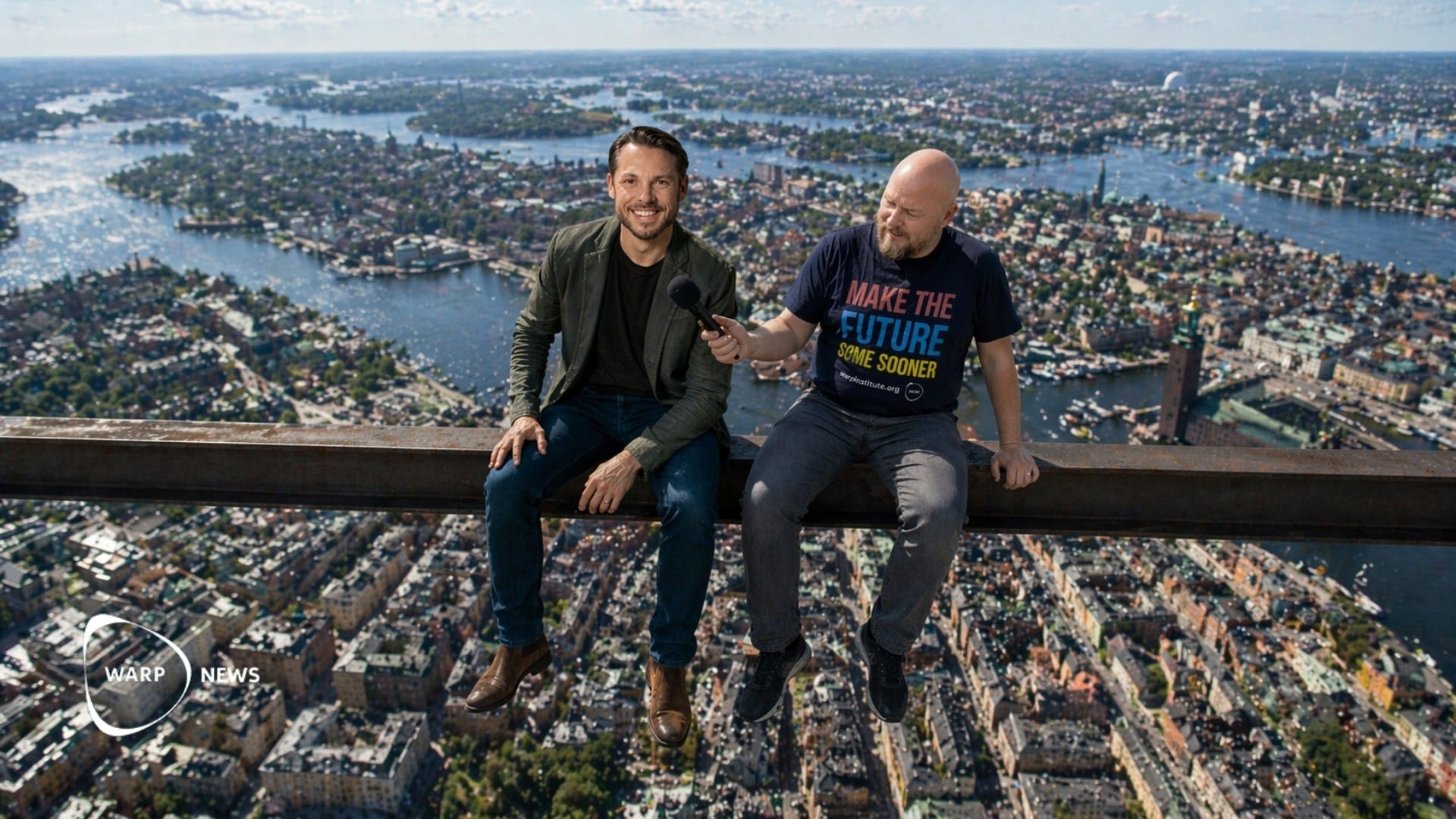
🏗️ The tech builder taking on the construction industry's hundred-year problem
For a long time, the construction industry has become less productive each year. We get less housing for our money. Jonas Jonsson and his company ByggVesta are now setting out to solve that problem.
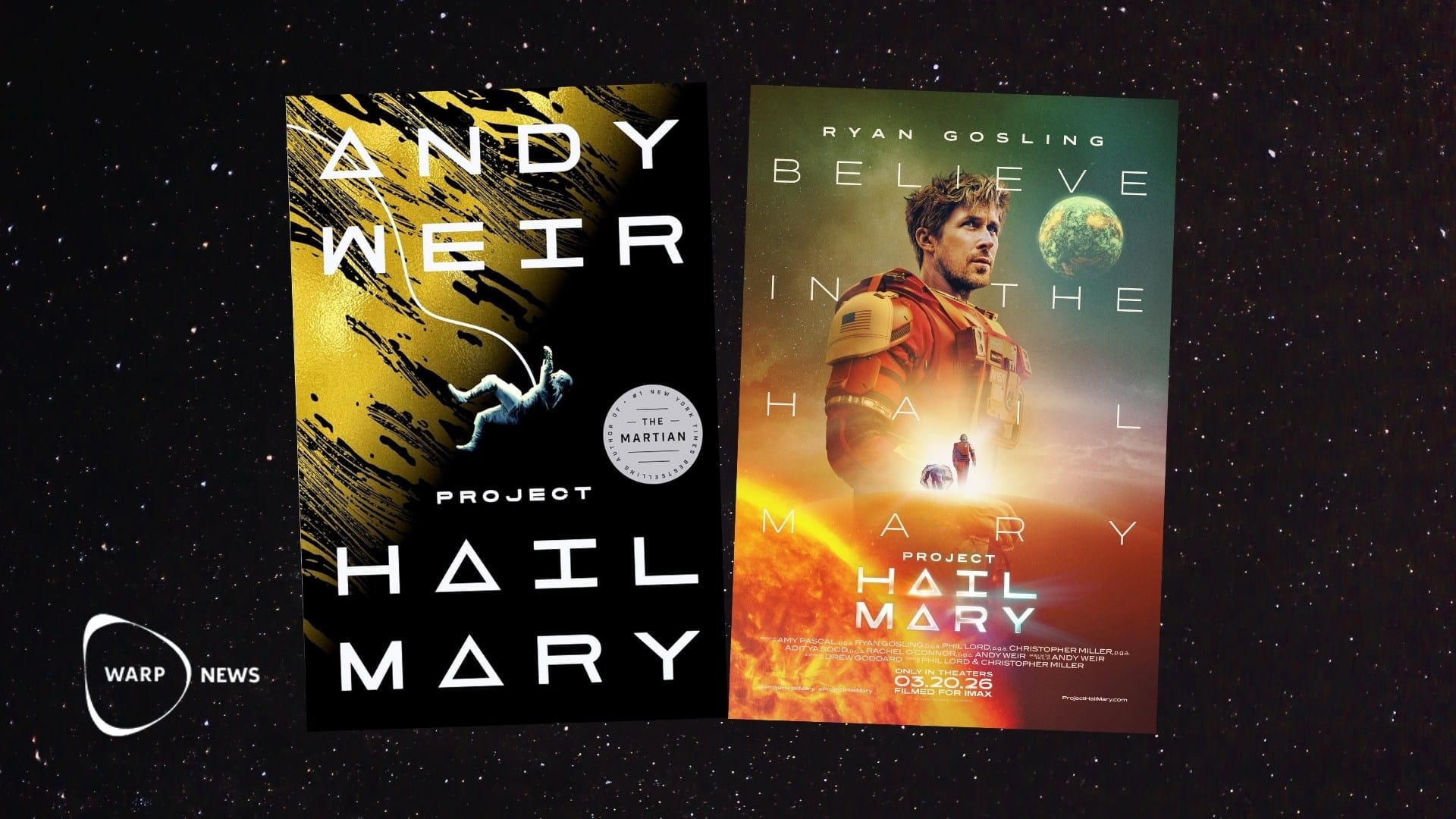
🍿 Amaze, amaze, amaze: Will Hollywood understand now?
Dear Hollywood, tell us stories about the best in us. About human ingenuity, about those who dream, who build, who refuse to accept that tomorrow must be worse than today. Tell us the kind of stories that make us shout, like Rocky: Amaze, amaze, amaze!

🤷 How can baseless claims about AI spread so widely?
Despite being incorrect or greatly exaggerated, claims about AI are spreading far and wide, both in the news media and among individuals. Is it a conspiracy? No, something even more powerful.

🤦 Here we go again: A new, very shaky claim about AI and heat is spreading fast
A non-peer-reviewed study with extreme claims about data centers and temperature increases is now spreading across both news and social media. Time to bring out the vaccine!

🚰 A single golf club uses more water than ChatGPT
On social media, the claim is spreading that a single prompt consumes a half-liter water bottle. That is completely wrong. In reality, very little water is used, especially compared to other activities like golf or agriculture.
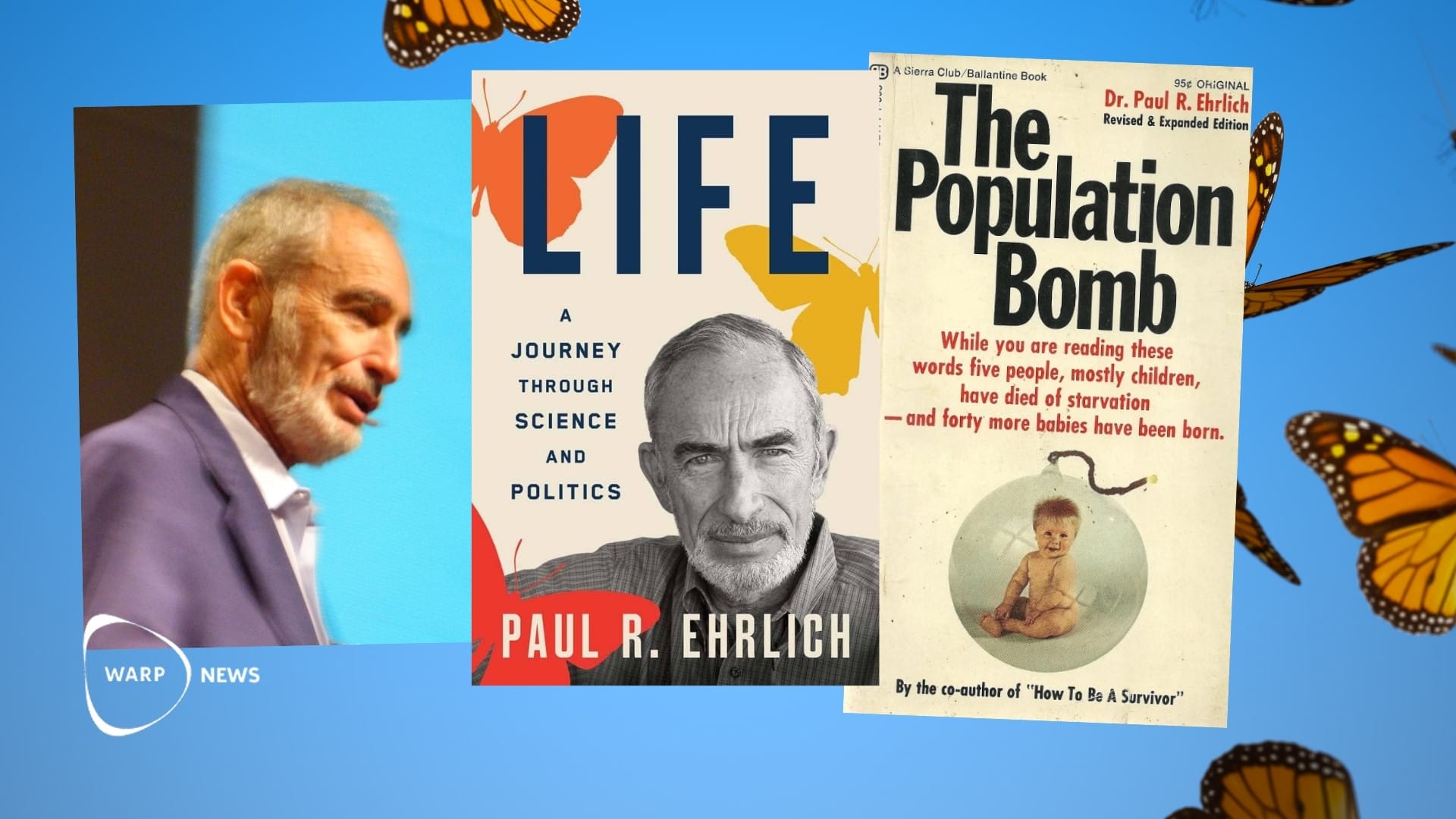
🦋 The lord of the pessimists is dead – this was his great mistake
Dr. Paul Ehrlich has passed away. He was a cheerful pessimist who viewed humans as insects.
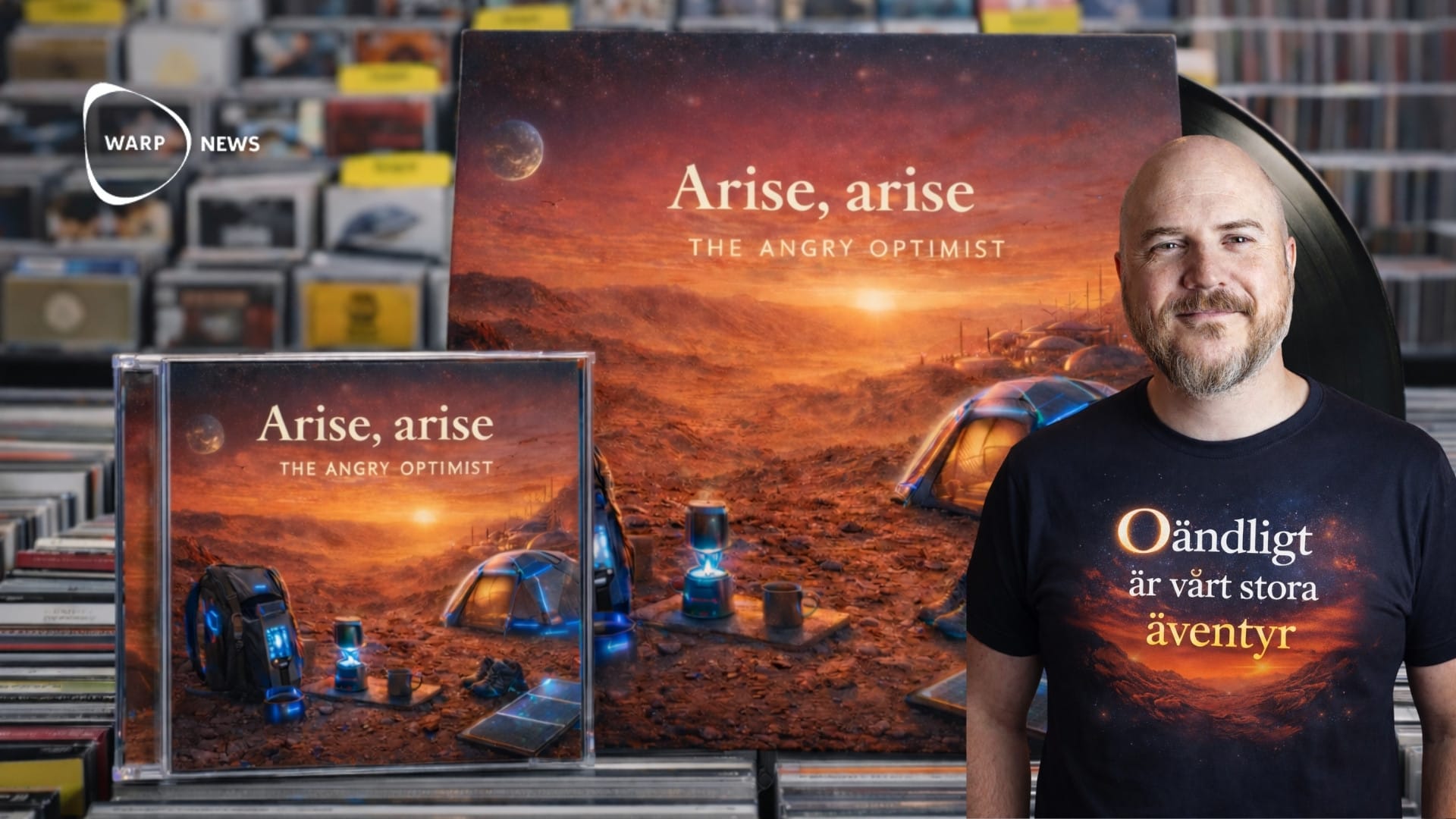
🎹 Can an unmusical, washed-up politician create a hit song? (Probably not, but worth a try)
I’ve made a song based on a famous poem. Make your own version too.

🎷 AI isn’t a threat – it’s the music industry’s next superhit
The music industry is terrified of AI-generated music. It shouldn’t be. AI music is about to become the biggest hit in music history.