
Solar energy
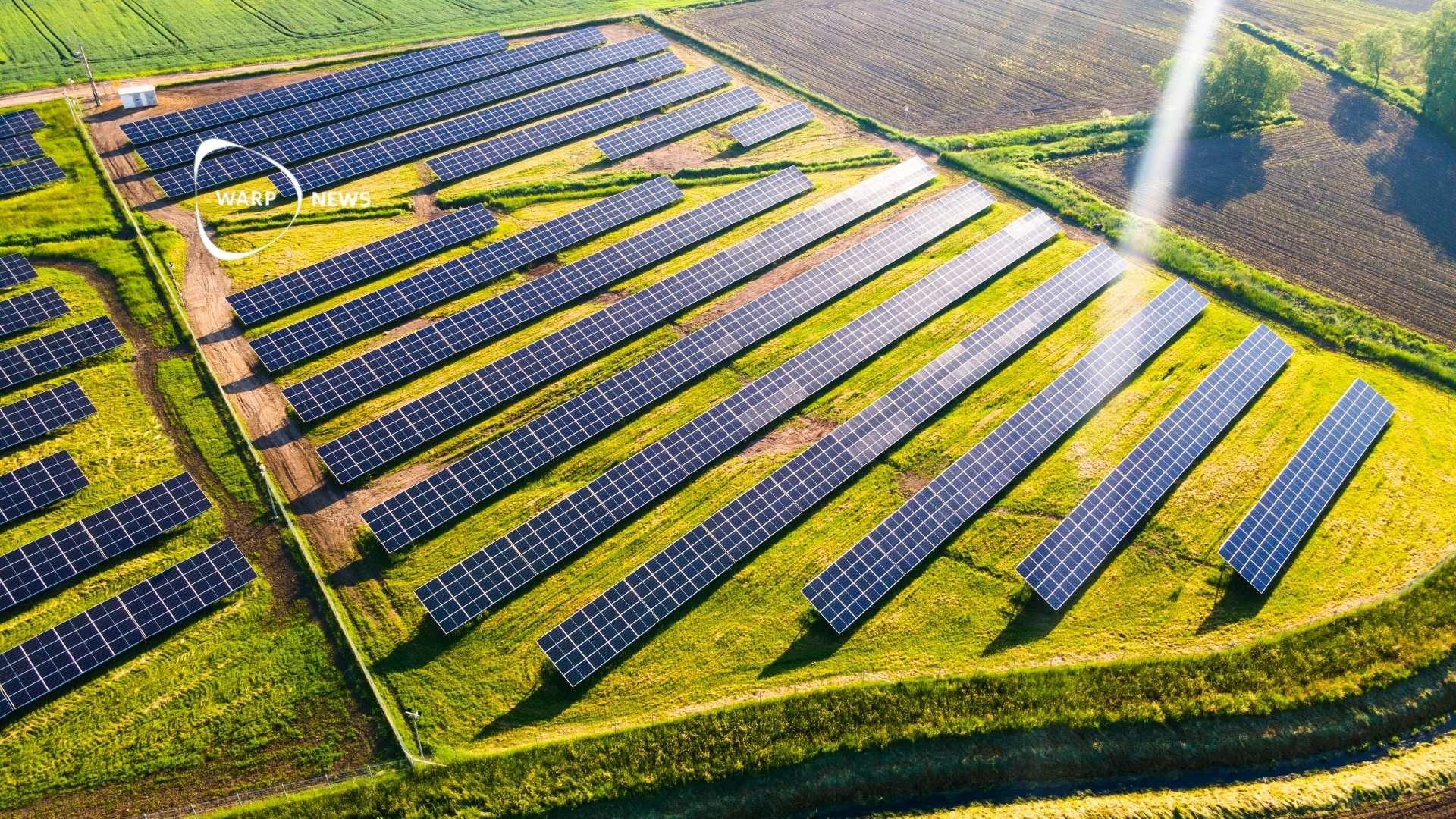
📈 Solar energy grows fastest in Central and Eastern Europe
Electricity production from solar parks in Central and Eastern Europe increased by 55 percent during the first seven months of 2024 compared to the same period in 2023. Poland and Hungary account for the strongest growth in large-scale solar energy in the region.
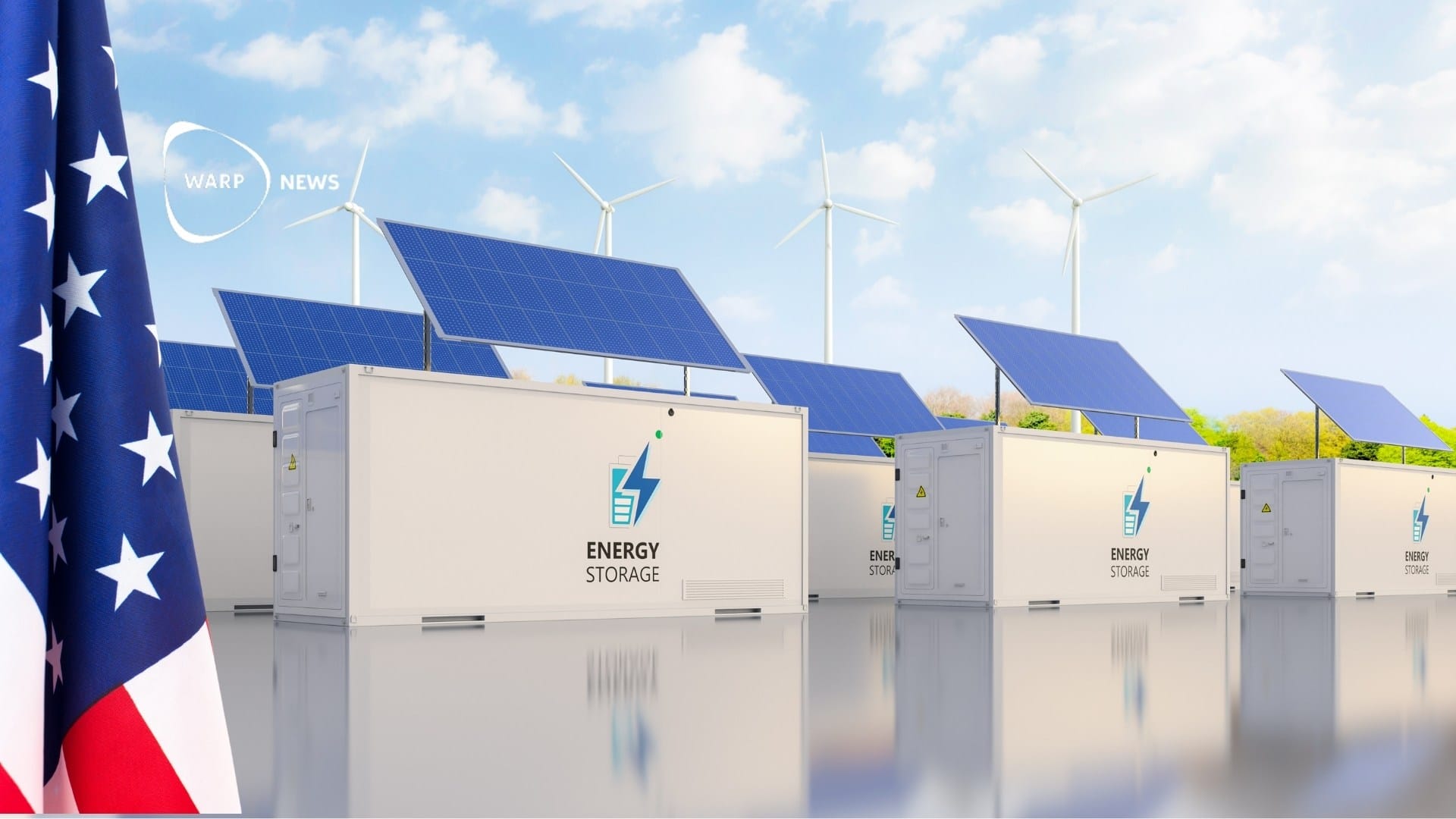
🔋 Solar energy and battery storage set to double in the US this year
The US is expected to install twice as much solar energy and battery storage as last year. Growth for solar energy and battery storage is accelerating despite increased adoption. A total of 38 GW new solar energy capacity and 14.7 GW battery storage capacity is expected to be added during 2024.
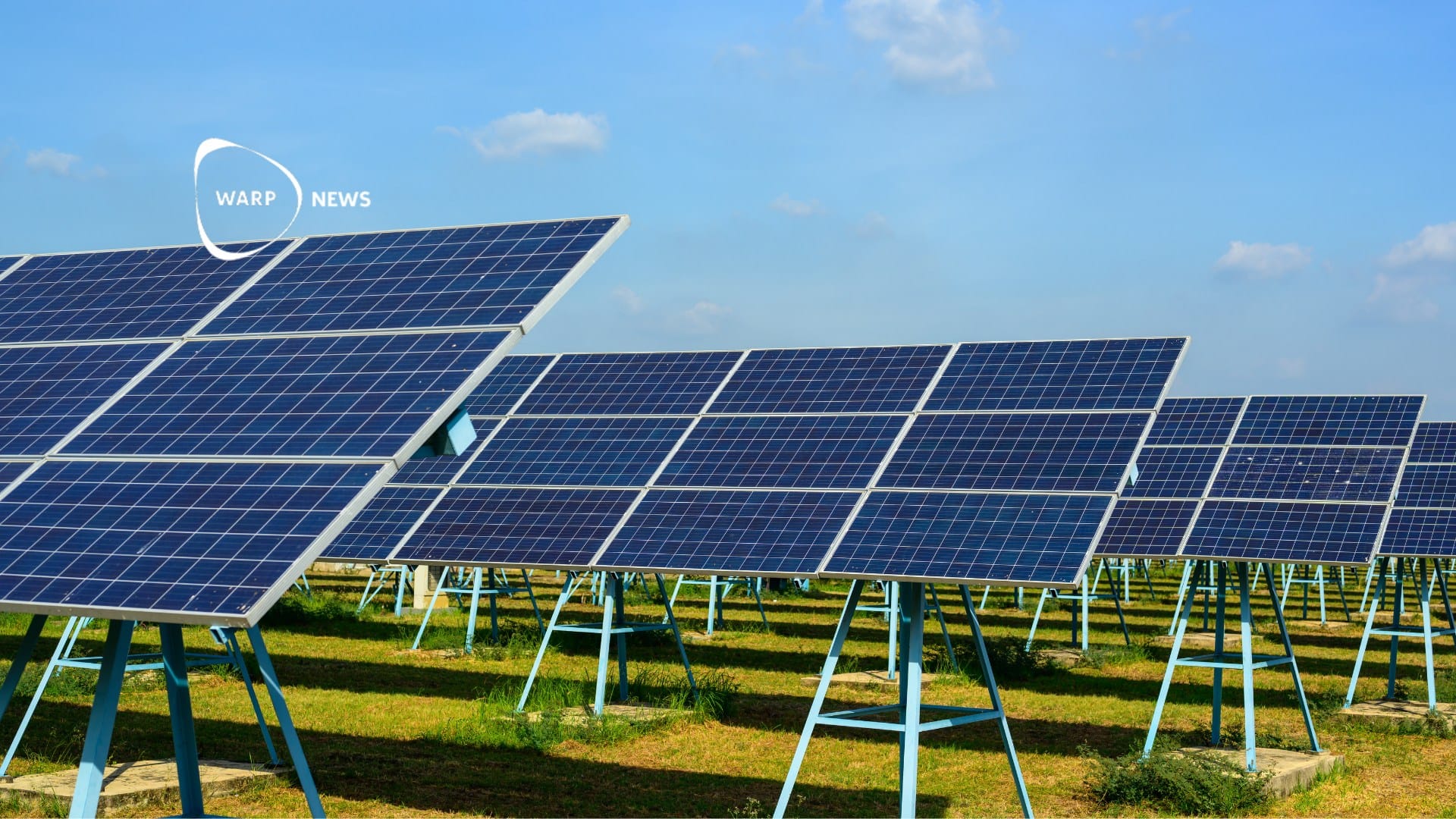
⛅ Solar energy cost reduction continues despite temporary obstacles
The cost of solar panels has decreased by about 12 percent per year for several decades. Despite short-term cost increases, the long-term trend points towards continued cost reduction. A potential 8-fold reduction in the total cost of solar energy.
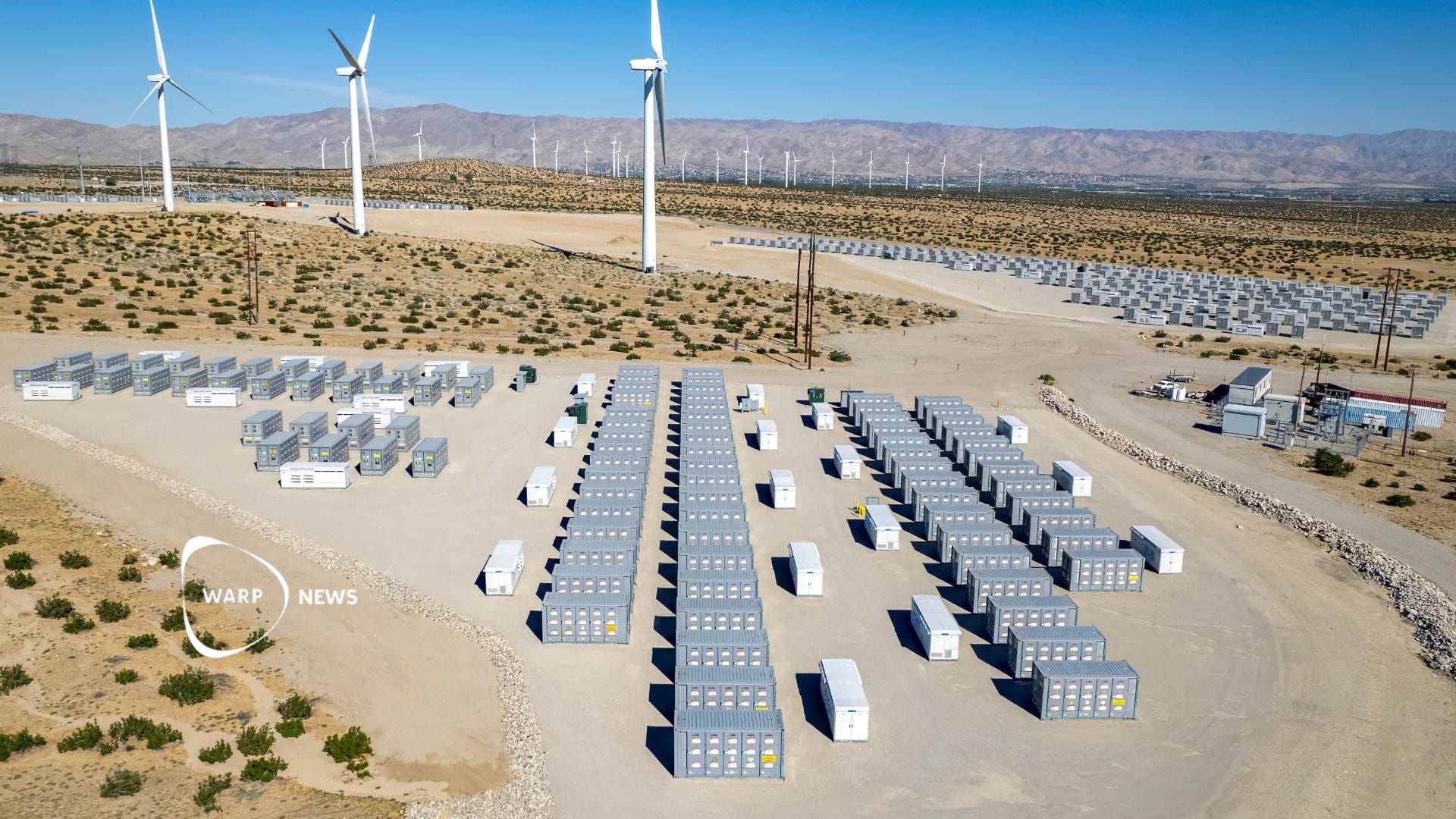
🔋 Solar power and batteries help Texas handle record-high energy consumption during heat waves
Texas power grid has broken new records for electricity consumption during the summer of 2024. Solar power has met record-high demand during the day, and batteries have covered the need in the evening.
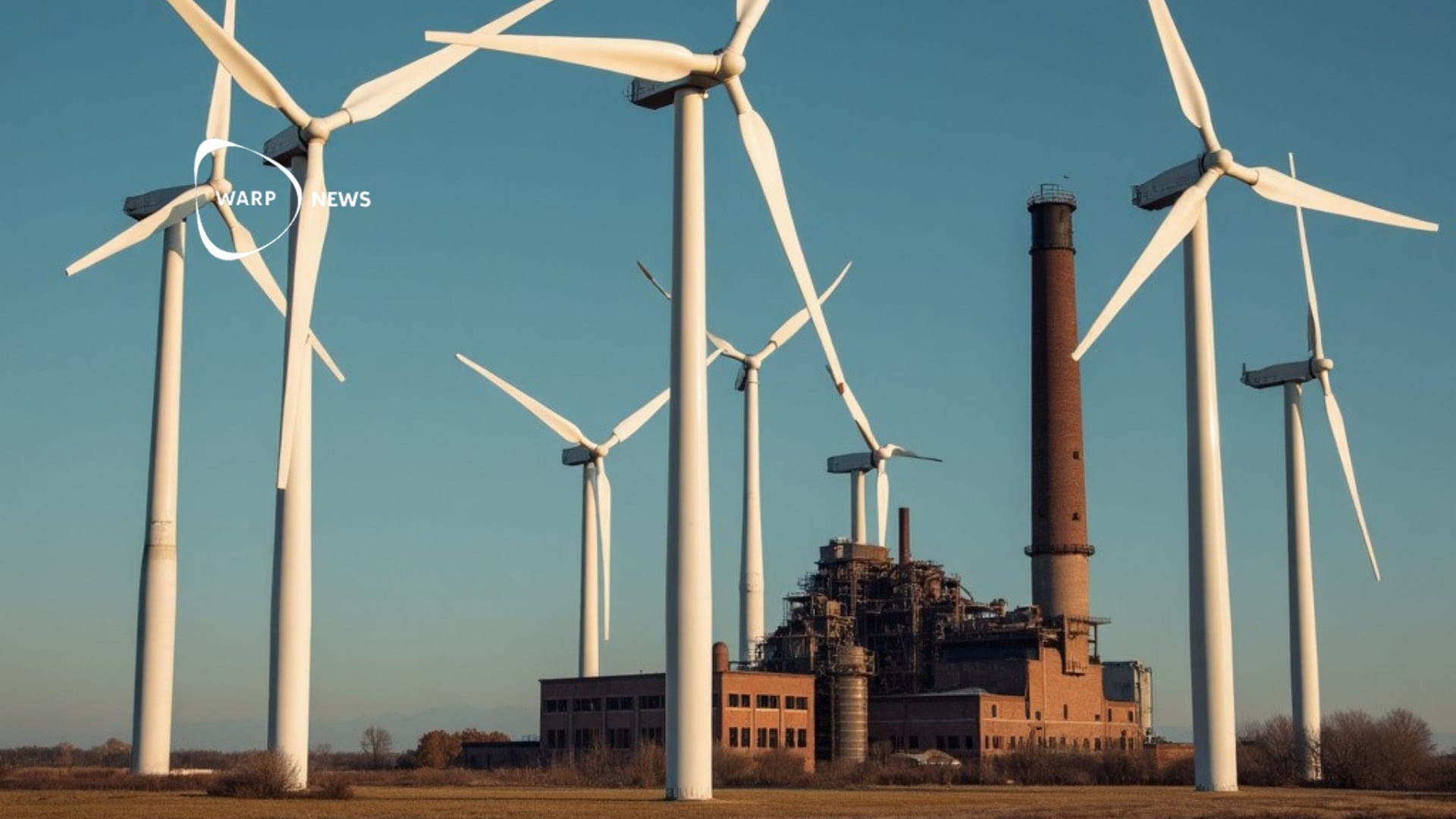
🏭 Wind and solar energy produce more electricity than coal in the US
Wind and solar energy generated more electricity than coal in the USA during the first seven months of the year. In the USA, almost twice as much solar energy will be added compared to last year.
🌞 Solar and wind surpass fossil fuels in EU electricity production
Wind and solar power generated 30% of EU's electricity during the first half of 2024. For the first time, 13 EU countries produced more electricity from wind and solar than from fossil fuels.
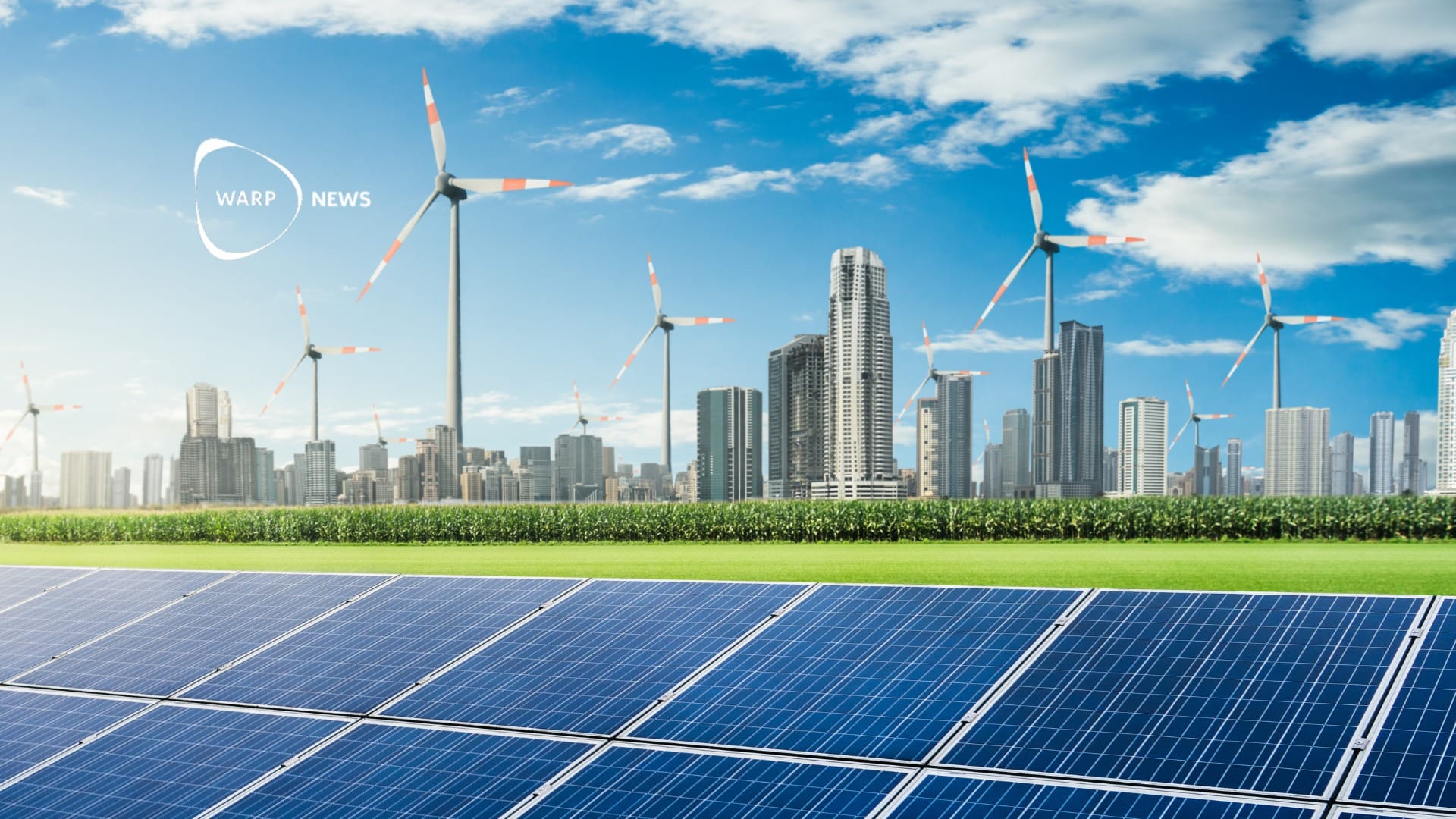
🌅 Wind and solar energy surpass coal power in China
China's combined capacity for wind and solar power has for the first time exceeded coal. Solar energy is expected to surpass coal as China's primary energy source by 2026. China has reduced new coal power projects and is focusing on phasing out smaller coal power plants.
⚡ Record decrease in emissions from the EU's energy sector - renewables exceed 40%
Record decrease in coal, gas, and CO2 emissions in 2023 resulted in the EU's cleanest electricity mix ever. Emissions from the power sector have now nearly halved (-46 percent) since their peak in 2007.
⚡ Renewable energy increased globally by 50 percent during 2023
The world is experiencing the fastest expansion of renewable energy in three decades. Solar energy accounted for three-quarters of the new capacity. The price of solar panels dropped by nearly 50 percent compared to 2022.