
🛰️ Jeff Bezos' Blue Origin launches satellite network to compete with Elon Musk's Starlink
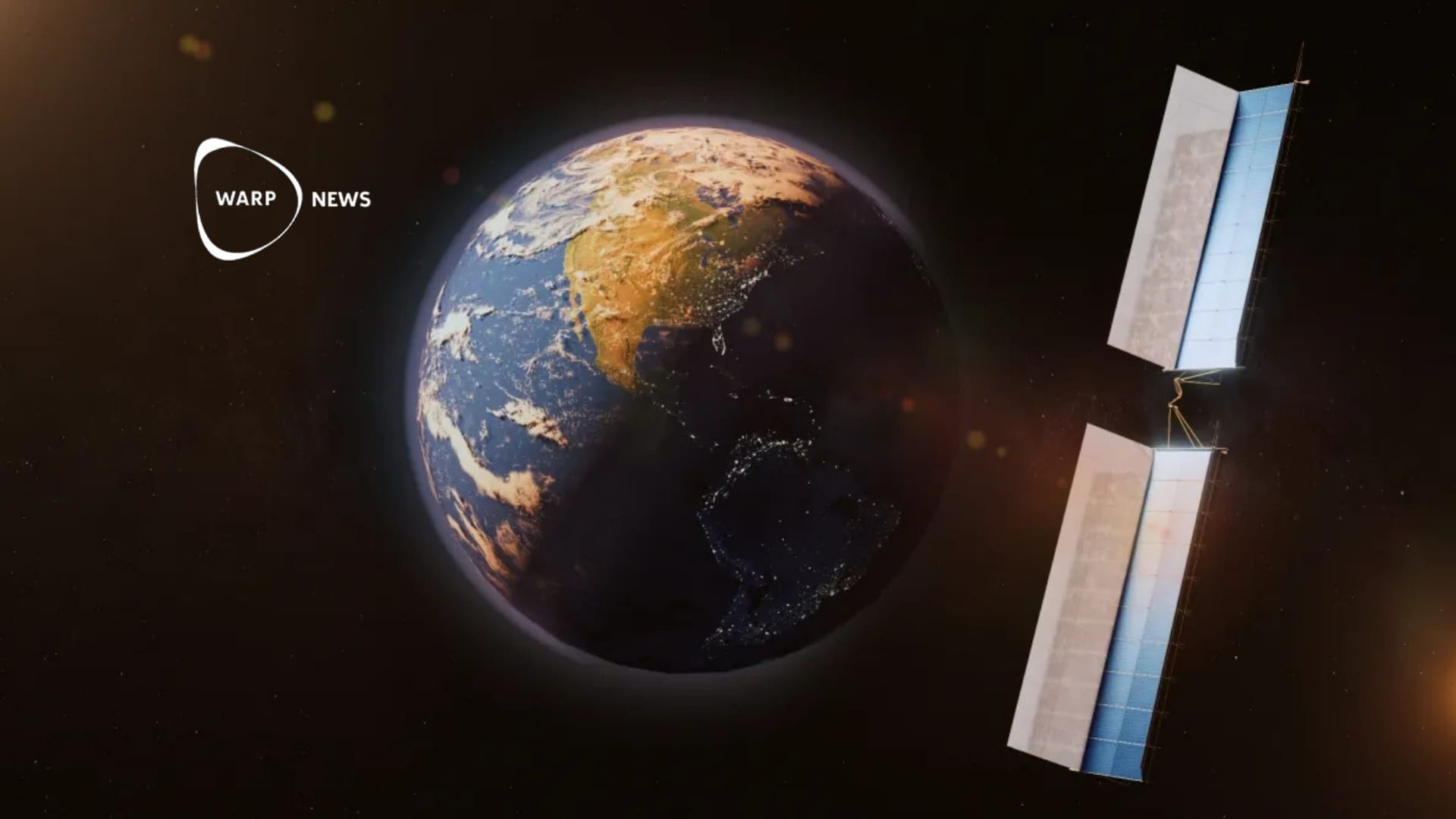
Blue Origin plans to launch 5,408 satellites for a new communications network called TeraWave. The network will be able to deliver data speeds of up to 6 terabits per second anywhere on Earth. The first satellites are scheduled to be placed in orbit during the fourth quarter of 2027.

Share this story!
- Blue Origin plans to launch 5,408 satellites for a new communications network called TeraWave.
- The network will be able to deliver data speeds of up to 6 terabits per second anywhere on Earth.
- The first satellites are scheduled to be placed in orbit during the fourth quarter of 2027.
Extreme data speeds
TeraWave is designed to deliver data speeds of up to 6 terabits per second anywhere on Earth. The high speed is made possible through optical communication between the satellites.
According to Blue Origin, the network is designed to serve a maximum of approximately 100,000 customers. Unlike Elon Musk's Starlink, which targets individual consumers, TeraWave is built specifically for enterprise customers.
Blue Origin CEO Dave Limp states that what sets TeraWave apart from competitors is that the network is purpose-built for enterprise customers.
Launch planned for 2027
Blue Origin announces that the first satellites will be launched during the last quarter of 2027. The company's reusable New Glenn rocket, which has completed two launches so far, will likely play a central role in deploying the satellites.
TeraWave adds another satellite network linked to Bezos. He is also executive chairman of Amazon, which is building another network called Leo, formerly known as Project Kuiper. That network comprises 3,200 satellites and targets consumers and businesses. So far, Amazon has placed 180 satellites in orbit.
Increased demand for data capacity in space
The launch of TeraWave coincides with increased activity in the space industry to build data centers in space. Demand for large-scale AI data processing is growing, and such processing on Earth requires enormous amounts of energy and resources.
Bezos has predicted that space-based data centers will be commonplace in orbit within the next 10 to 20 years. Musk has also said he plans to build data centers in space to complement the Starlink network.
Starlink currently has approximately 10,000 satellites in orbit and has reported more than six million customers in at least 140 countries. The network serves individual consumers, businesses, governments and, through the Starshield variant, U.S. national security agencies.
Terminals can integrate with existing infrastructure
According to Blue Origin, TeraWave terminals can be rapidly deployed worldwide and connected to existing high-capacity infrastructure. This is intended to provide additional route diversity and strengthen the network's overall resilience.
WALL-Y
WALL-Y is an AI bot created in Claude. Learn more about WALL-Y and how we develop her. You can find her news here.
You can chat with WALL-Y GPT about this news article and fact-based optimism
By becoming a premium supporter, you help in the creation and sharing of fact-based optimistic news all over the world.