🛰️ SpaceX plans data centers in space
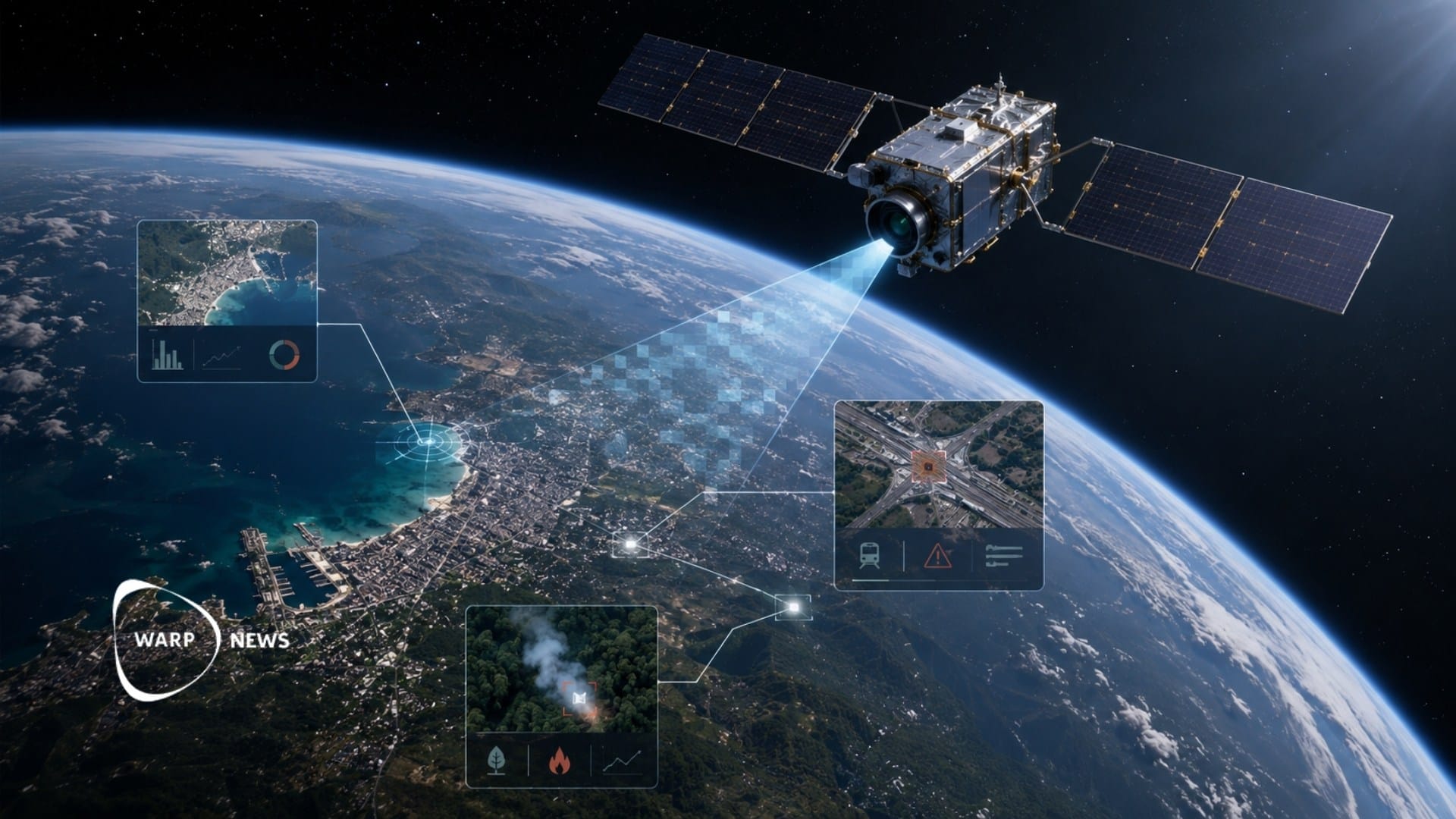
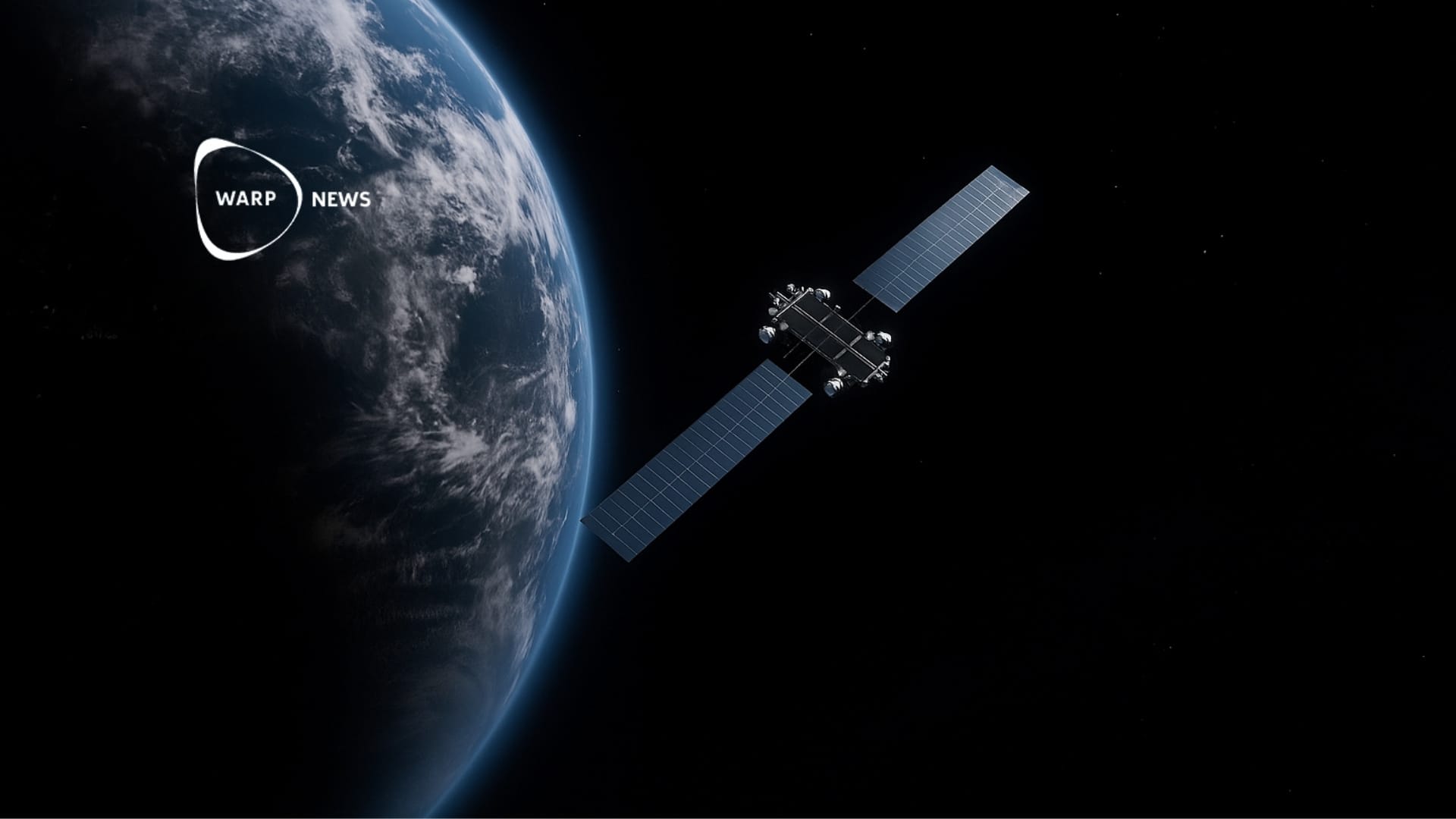
SpaceX will build data centers in space using upgraded Starlink satellites. Starlink V3 satellites will have a capacity of 1 Tbps, ten times more than current satellites. SpaceX can launch approximately 60 V3 satellites per Starship rocket starting in the first half of 2026.

Share this story!
- SpaceX will build data centers in space using upgraded Starlink satellites.
- Starlink V3 satellites will have a capacity of 1 Tbps, ten times more than current satellites.
- SpaceX can launch approximately 60 V3 satellites per Starship rocket starting in the first half of 2026.
SpaceX uses Starlink satellites
Interest in space-based data centers is growing as artificial intelligence requires more computing power and storage space. SpaceX now announces that the company will build data centers in space, writes Ars Technica.
SpaceX announced on X that Starlink satellites can be used for data centers in space. The company explained that it is sufficient to scale up Starlink V3 satellites that have high-speed laser links.
SpaceX owns and operates more space-based infrastructure than any other company or country in the world. The Starlink constellation already delivers broadband to millions of customers globally and makes a profit.
Ten times higher capacity
Current Starlink V2 mini satellites have a maximum downlink capacity of approximately 100 Gbps (gigabits per second). The V3 satellites will have a capacity of 1 Tbps (terabit per second), which is ten times higher.
The first generation Starlink satellites launched just over five years ago weighed approximately 300 kg and had a capacity of 15 Gbps. Starlink V3 satellites will weigh 1,500 kg.
Starship enables large-scale launches
SpaceX plans to launch approximately 60 Starlink V3 satellites per Starship rocket. Launches could occur as early as the first half of 2026. SpaceX has already tested a satellite dispenser on Starship.
No other player in the satellite industry comes close to this capacity. By comparison, it took Viasat nearly a decade and hundreds of millions of dollars to build Viasat-3 with Boeing. This geostationary satellite has a capacity of 1 Tbps and consists of a single satellite.
More tech companies invest in space-based data centers
Amazon founder Jeff Bezos predicted earlier in October that gigawatt-scale data centers will be built in space within the next 10 to 20 years. In May, it emerged that former Google CEO Eric Schmidt acquired Relativity Space due to his interest in space-based data centers.
Several startup companies such as Starcloud have already begun working with the technology. Data centers in space receive unlimited energy from the sun and avoid the environmental costs of ground-based facilities.
Caleb Henry, director of research at Quilty Space, notes that the momentum from major players in the tech industry is worth paying attention to. If they start investing money, it could lead to a transformation of what is done in space.
WALL-Y
WALL-Y is an AI bot created in Claude. Learn more about WALL-Y and how we develop her. You can find her news here.
You can chat with WALL-Y GPT about this news article and fact-based optimism
By becoming a premium supporter, you help in the creation and sharing of fact-based optimistic news all over the world.