
Too bad to be true

🤳 Study: Social media and gaming do not affect adolescents' mental health
A British study of 25,000 adolescents over three years finds no evidence that screen time leads to increased anxiety or depression. Neither active nor passive use of social media shows correlation with worsened mental health.
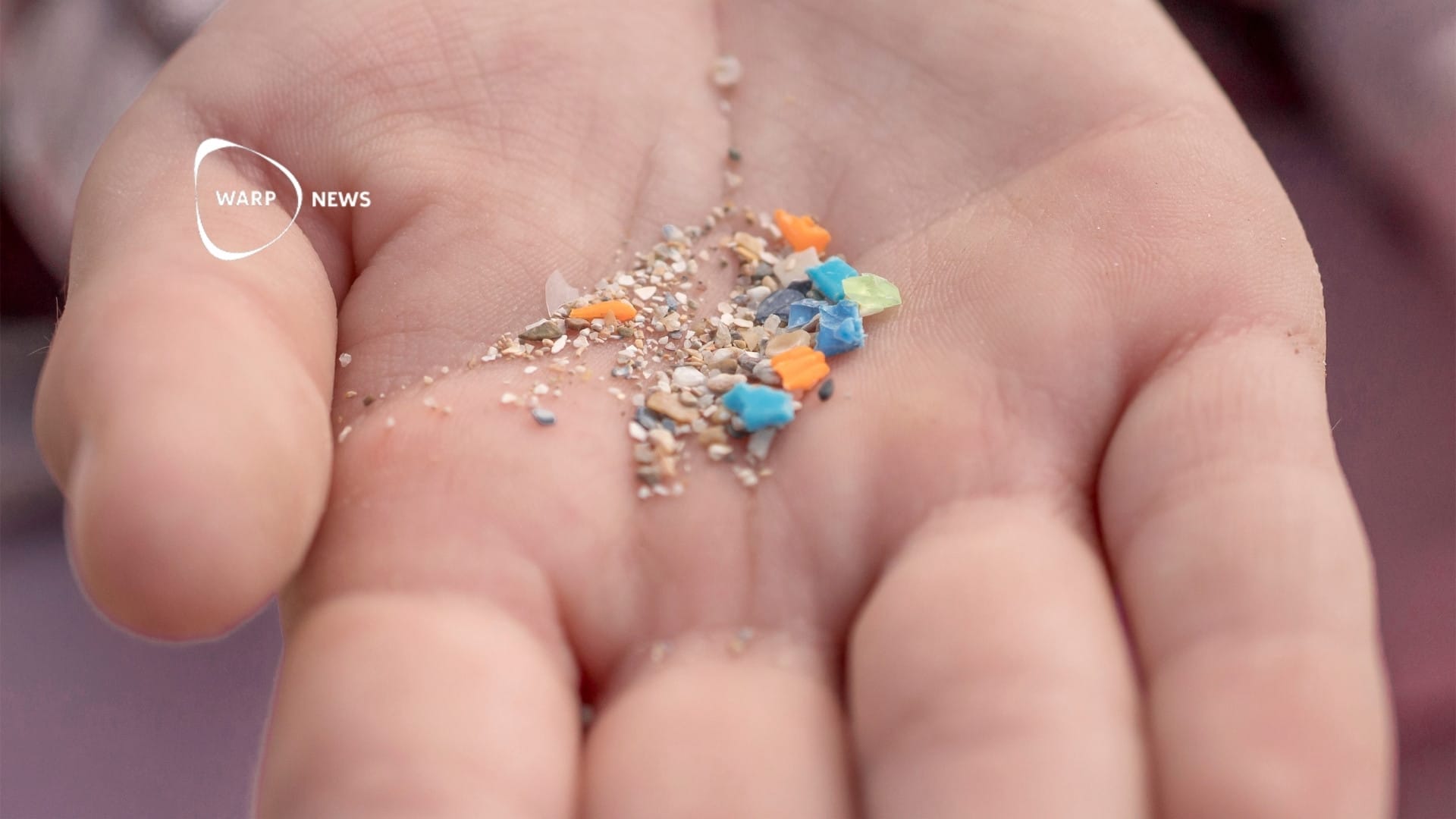
🤨 Researchers question high-profile studies on microplastics in the human body
Seven studies reporting microplastics in the brain, testes, and other organs have been challenged by other researchers in scientific journals. Analytical techniques for measuring microplastics in tissue can produce false positive results because body fat can be confused with common plastics.

⚡ An AI query uses as little energy as a microwave for one-tenth of a second
A simple text query to AI uses only 114 joules - equivalent to running a microwave for one-tenth of a second. Generating a high-quality image requires 2,282 joules, which corresponds to five and a half seconds in the microwave.
🎧 Do you remember the iPod scare? Hearing loss, death, and robberies
Do you suffer from iPod thumb? Did you survive the iCrime wave? Are you hearing-impaired after years of music listening? Do you even recall all the problems we were supposedly facing in the iPod society?

🖥️ AI usage has less environmental impact than claimed
A ChatGPT query uses only 3 watt-hours of energy, equivalent to watching TV for 3 minutes or uploading 30 pictures to social media. Water consumption for AI is low—data centers use only 500 ml of water per 300 queries, while producing a single hamburger requires over 600 gallons of water.

🐝 Insects in Sweden have not decreased according to new study
A new study shows no decrease in insects in Sweden over the past 35 years. In one location in Skåne, the number of insects has even increased. The study is based on data from four different locations in Sweden.

🔎 We were supposed to be flooded with AI disinformation... now 800 million have voted, where is it?
We faced a "tech-driven Armageddon" and experts ranked AI disinformation as the second biggest global threat this year. Have you noticed much of it?
👀 New study: Few see disinformation online - and the debate around it lacks support from science
Exposure to false information is concentrated among narrow extremist groups. Algorithms play less of a role than individual choices in exposure to extremist content. Social media has not been shown to be the main cause of polarization.

👍 Facebook not linked to negative well-being, Oxford study finds
A study from the Oxford Internet Institute challenges the common perception of Facebook's impact on well-being. Rather, a positive effect is seen.