
🧠 Artificial Intelligence
Artificial intelligence (AI) helps doctors make better diagnoses, scientists create new materials, farmers grow crops more effectively and all of us driving cars - and millions of other applications. This topic also covers subsets of AI such as machine learning (ML), deep learning and neural networks.
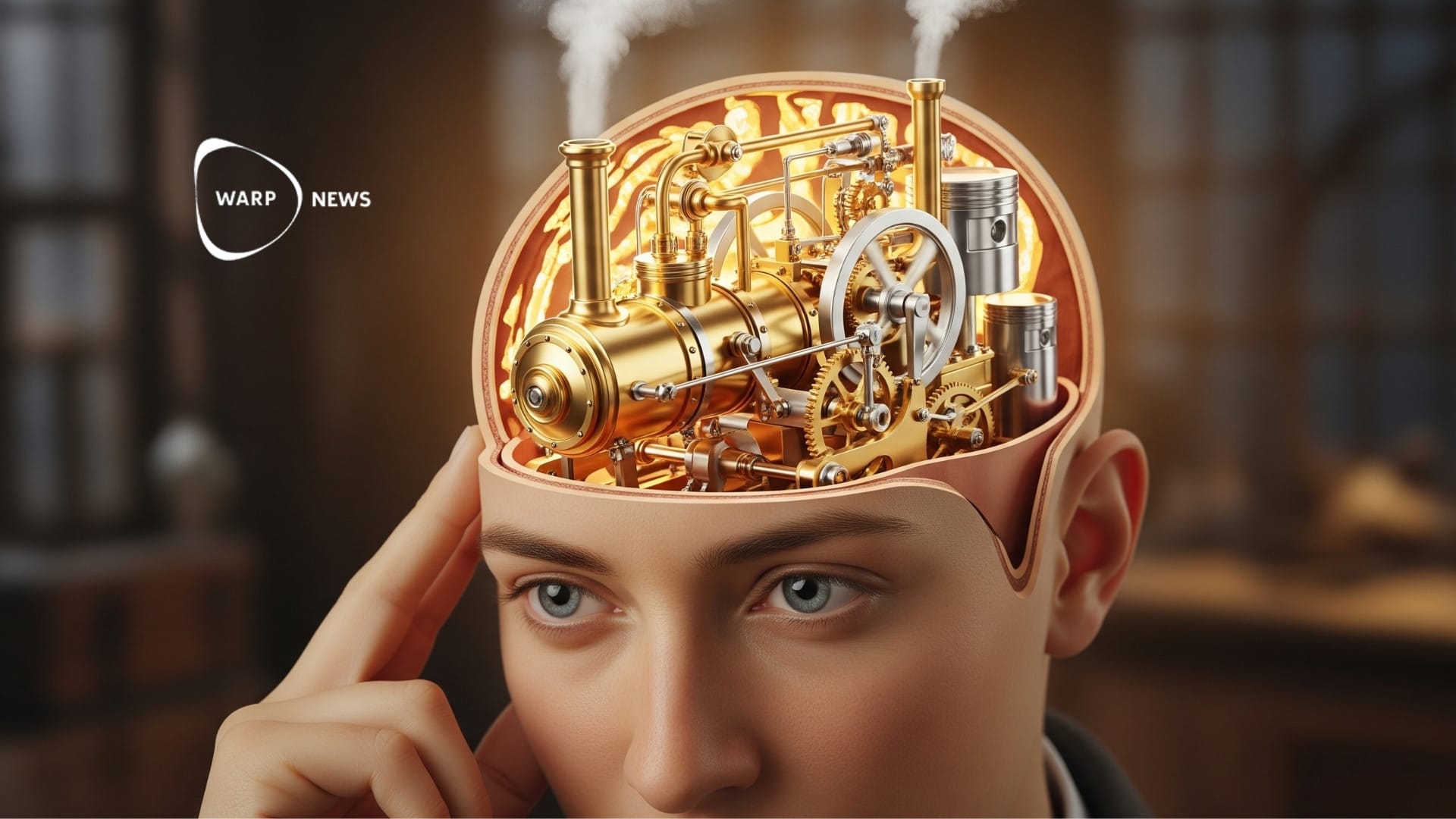
📗 Book excerpt: A steam engine for the brain
An excerpt from The Fifth Acceleration: Why AI Is Not the End – but the Beginning of What We Can Become by Mathias Sundin.
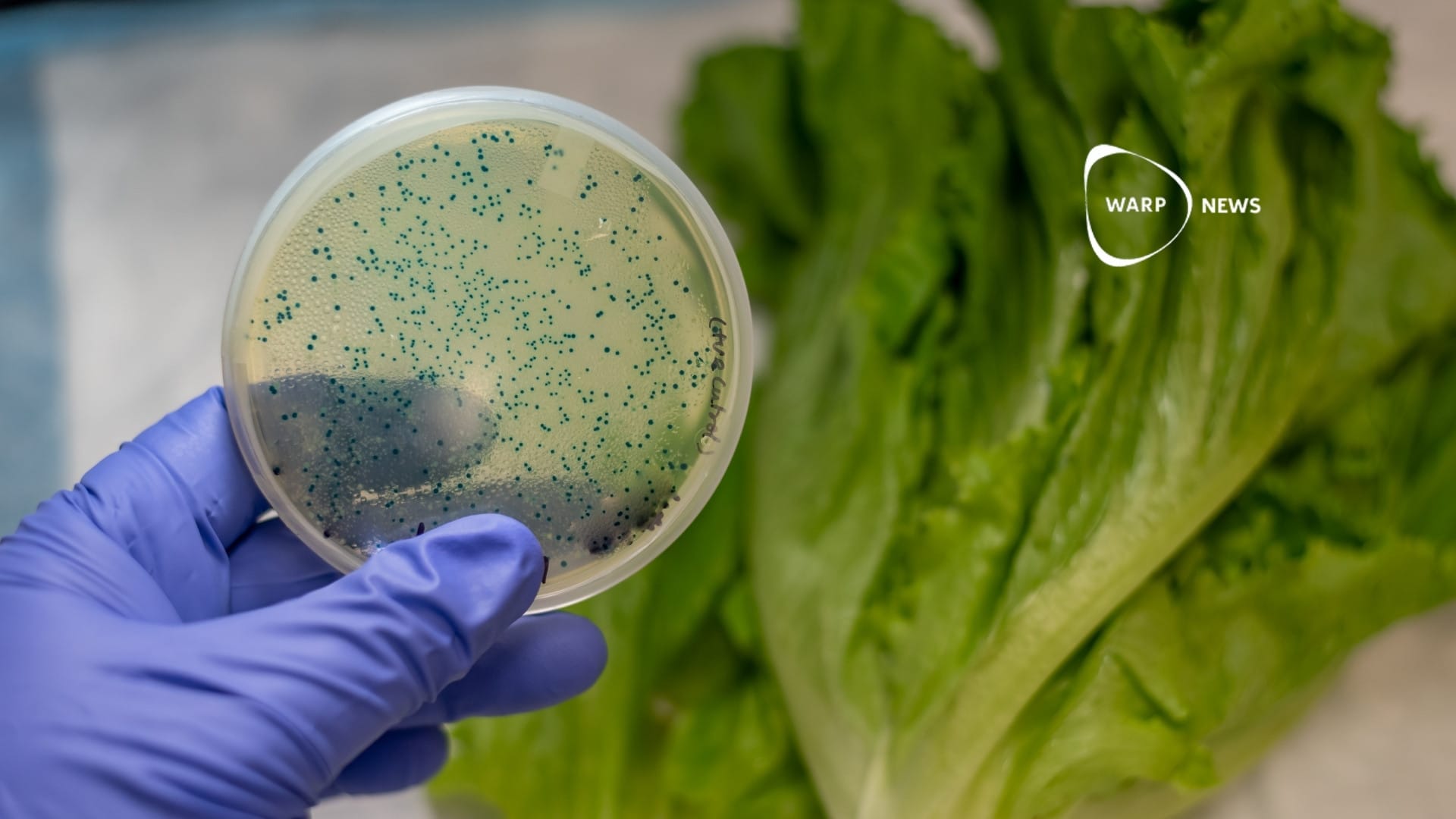
🦠 AI creates viruses that kill E. coli bacteria
AI models have designed 16 working viruses that can attack E. coli bacteria in the laboratory. The development of the technology could lead to new treatments against antibiotic-resistant bacterial infections.
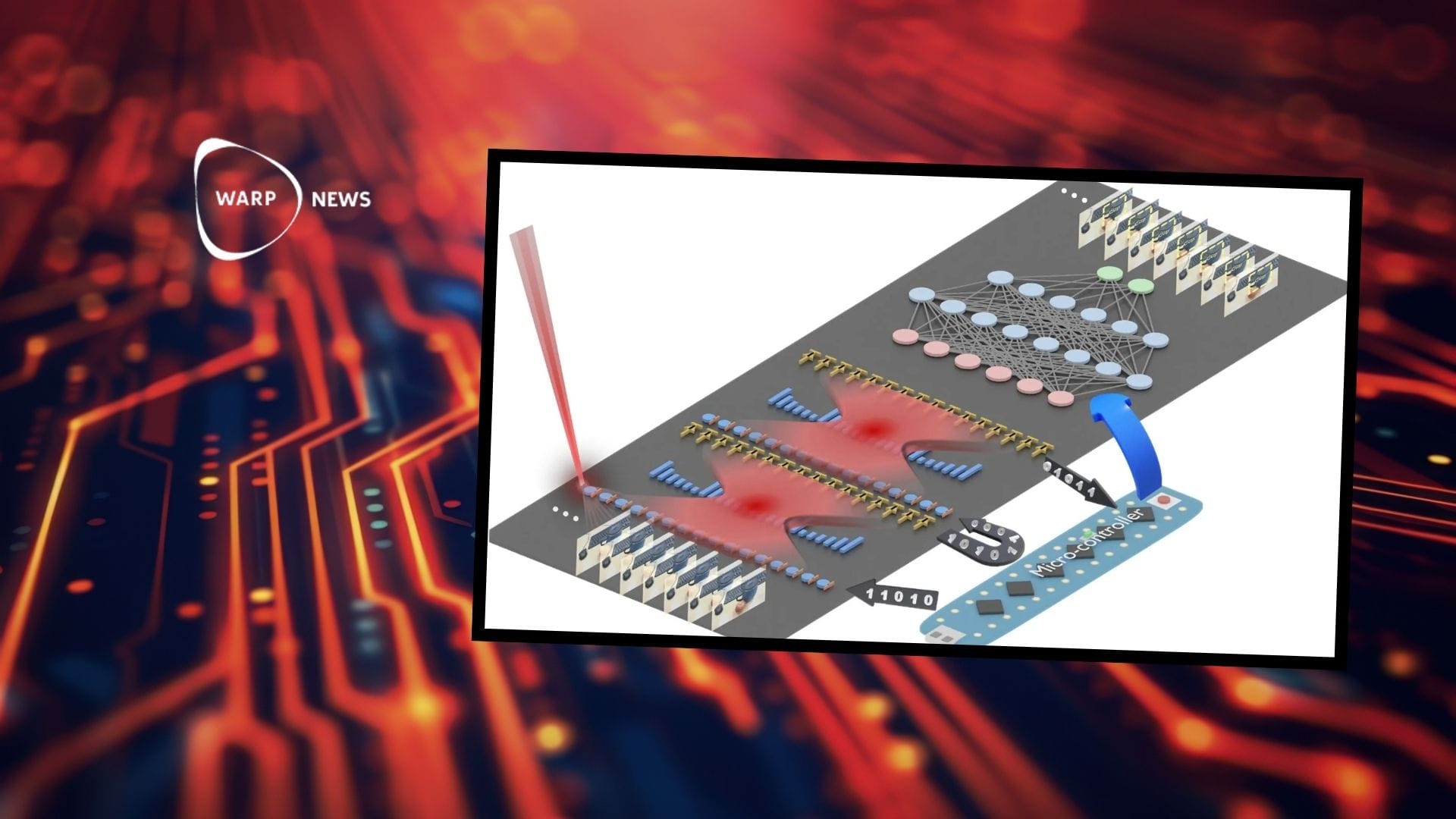
🖥️ Light-powered chip makes AI one hundred times more efficient
Researchers at the University of Florida have developed a chip that uses light to perform calculations in AI systems. The chip drastically reduces energy consumption while maintaining 98 percent accuracy.
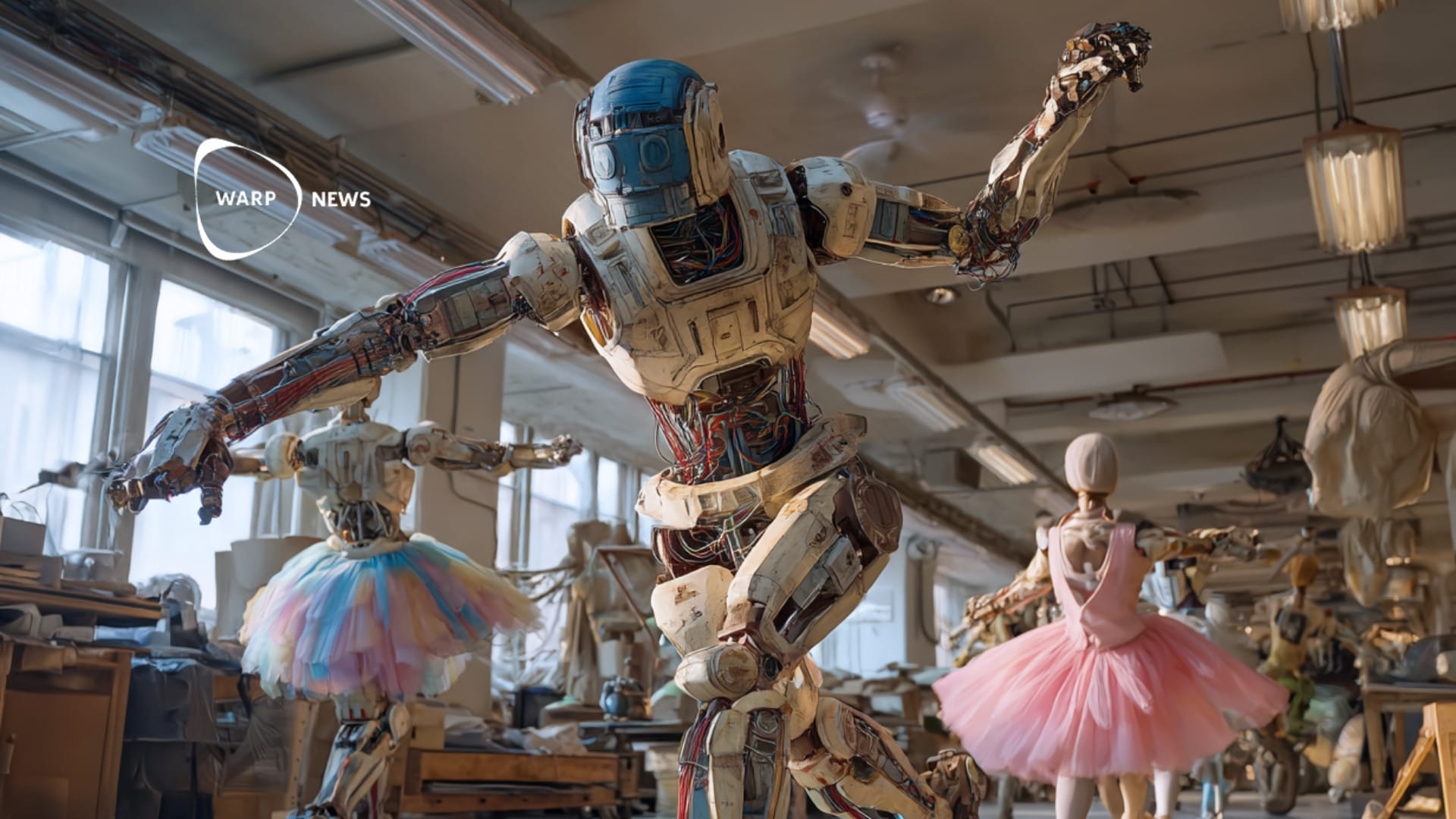
🦿 Robot ballet AI enables robots to collaborate in factories
Google DeepMind's AI system RoboBallet automatically plans how industrial robots should perform their tasks, a process that previously required hundreds to thousands of hours of manual programming.
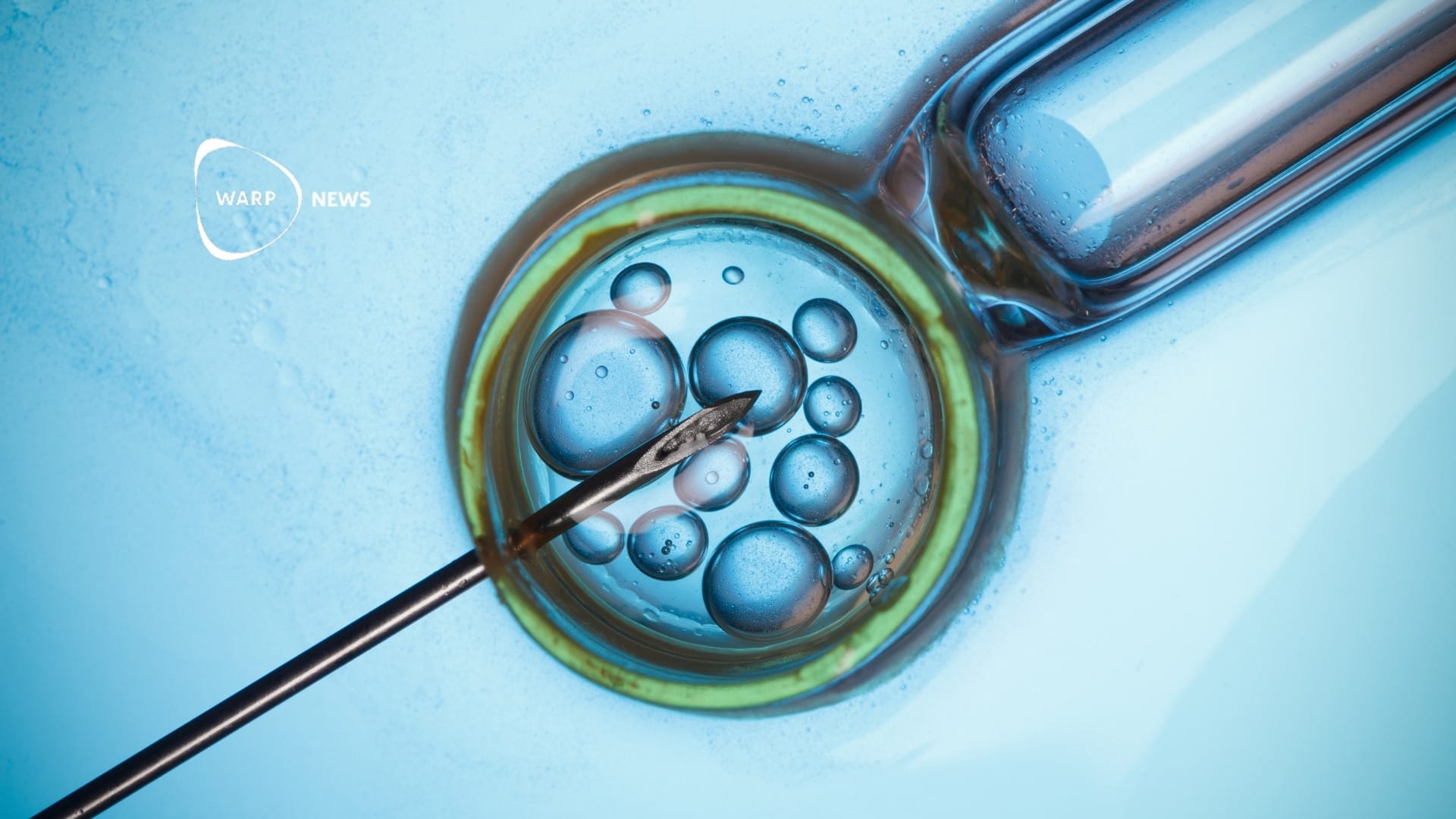
🧫 Robots and AI help couples have children through IVF
At least 20 children have already been born through clinical trials where robots and AI perform IVF treatment with minimal human intervention.
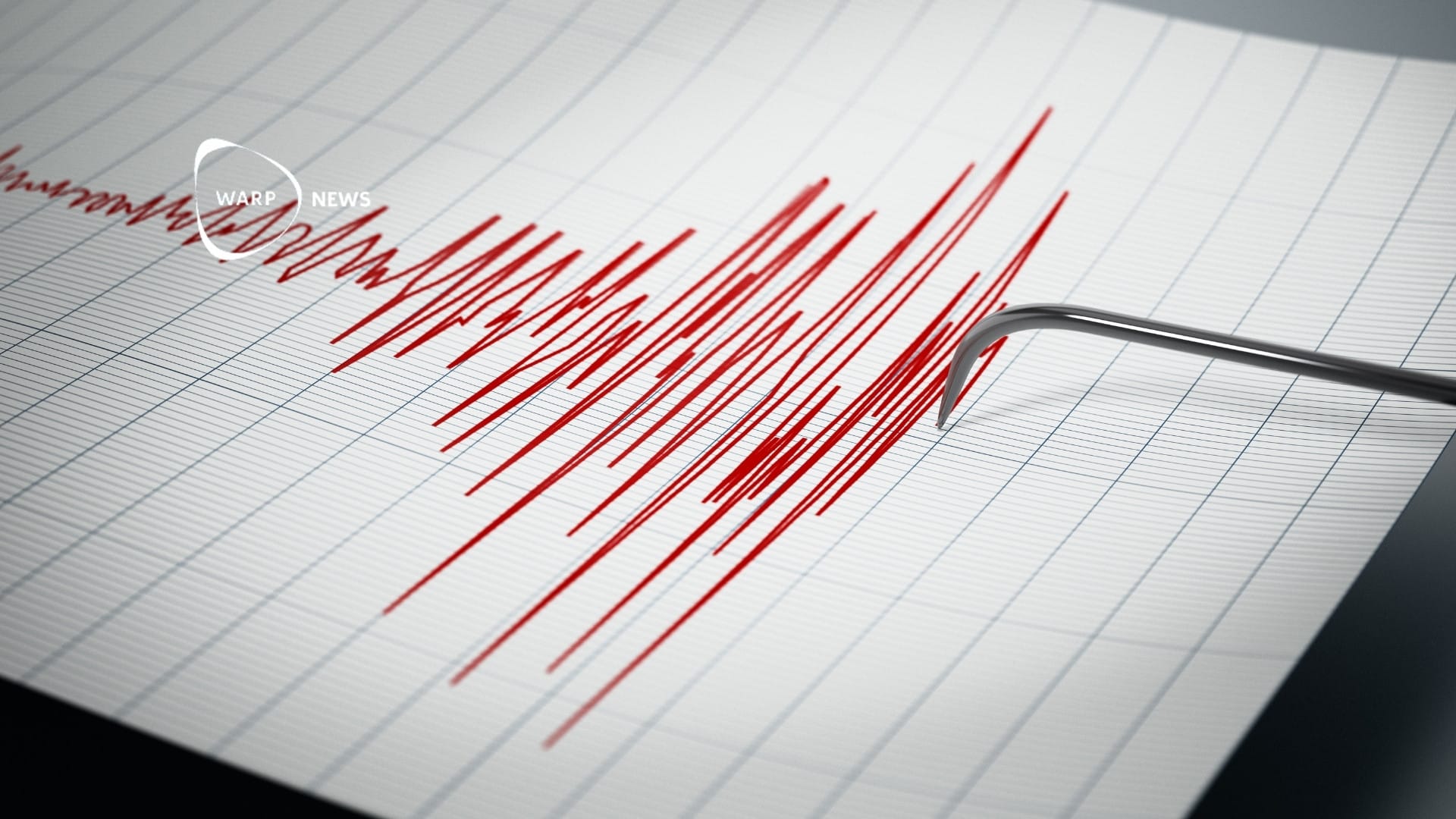
🦾 AI finds ten times more earthquakes than previous methods
The techniques work better in noisy environments like cities and require less computing power than previous automated methods.

🚛 The self-driving future is getting closer at Volvo
Volvo is facing its biggest shift since the company was founded. Instead of selling trucks, it now aims to sell transportation – with autonomous vehicles at the center of an entirely new ecosystem.

🦾 AI helps 1200 researchers develop new materials in global hackathon
More than 100 teams developed AI tools that can predict crystal structures, track medicines, and design new chemicals in just two days.
💡 Musings of the Angry Optimist: Without China, emissions would already have peaked
Are we close to the first major milestone for the climate?