🏍️ Electric motorcycles accelerate in Africa
Industry leader Spiro has delivered more than 100,000 electric motorcycles and built over 2,500 battery swapping stations. In Kenya, electric motorcycles now account for at least 16 percent of all motorcycle sales.

Share this story!
- Industry leader Spiro has delivered more than 100,000 electric motorcycles and built over 2,500 battery swapping stations.
- In Kenya, electric motorcycles now account for at least 16 percent of all motorcycle sales.
- A new battery from Roam charges from 20 to 80 percent in under 40 minutes and kept working after being run over by an 18-ton truck.
Electric motorcycles are becoming more common in several African countries. Tens of thousands are sold each year, and in Kenya they now account for at least 16 percent of total motorcycle sales. The sector has moved from early pilot projects to large-scale production and sales.
A large market to take over
There are more than 30 million gasoline-powered motorcycle taxis in several African countries. Operating and maintenance costs are high, because the vehicles are used hard and need frequent service. Riders earn little. When they switch to electric, the total cost of ownership drops noticeably.
Established financing systems for riders, combined with models where the battery is rented as a service, lower the barriers to going electric. Together, this has drawn more than 100 companies into the sector across the continent.
Spiro the largest on the continent
Spiro is the largest player. The company has delivered more than 100,000 electric motorcycles across several countries. It has built more than 2,500 battery swapping stations and carried out more than 30 million battery swaps to date.
Spiro has acquired Coexlion, a firm specializing in motorcycle engineering and design. The purchase is meant to strengthen Spiro's product development and its ability to manufacture more locally. Coexlion's 28 engineers have contributed to more than 25 motorcycle programs globally, including electric two-wheelers, chassis, battery systems, and industrial design. The team is based in India and the United Kingdom. Spiro already has a research and development center in Pune with more than 150 engineers and more than 30 of its own patents.
Roam launches a new generation
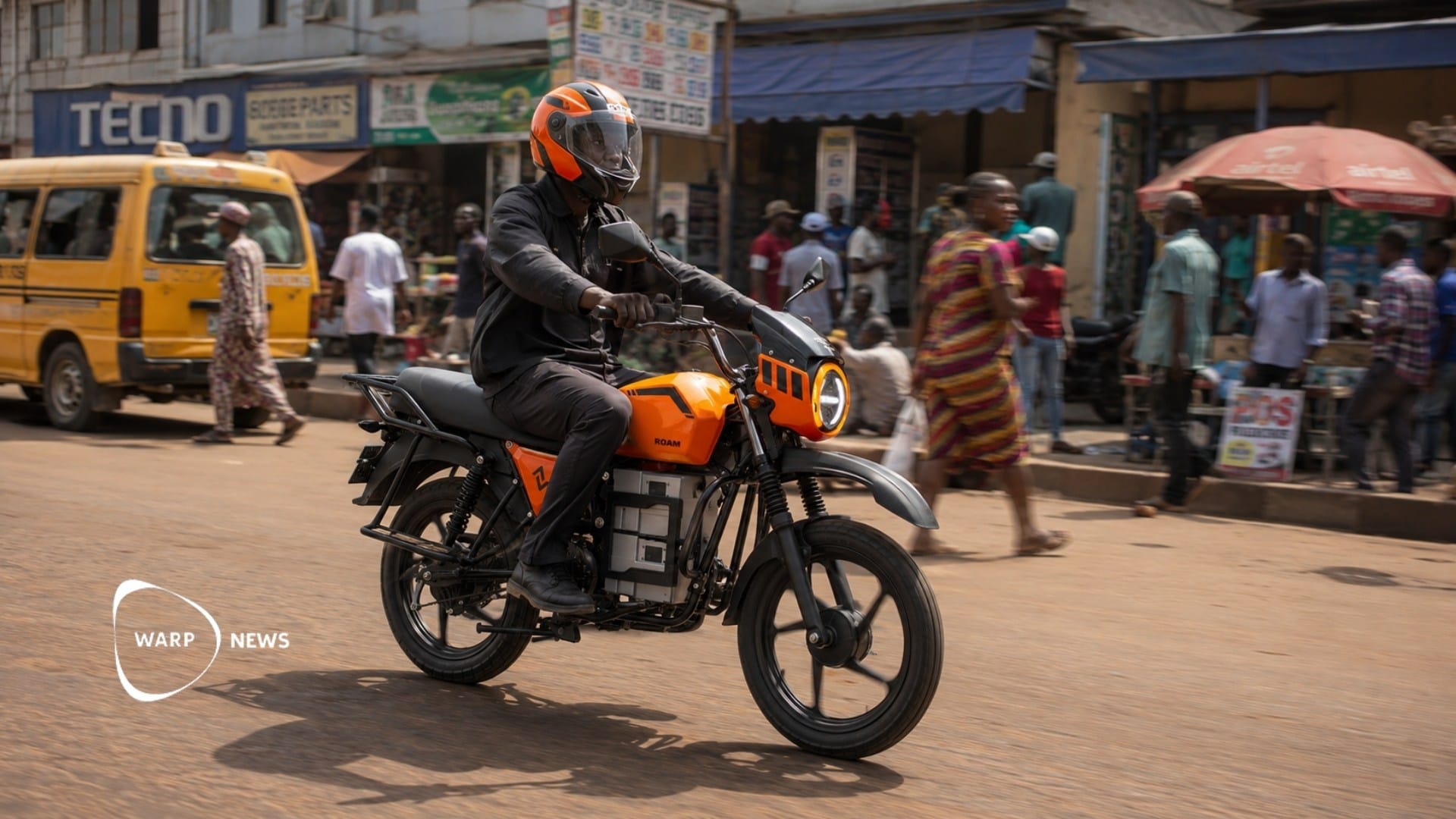
Roam, one of the early players in the sector, has launched the Roam Air Gen 3. The model has a new battery built to reduce theft, shorten charging times, and last longer for riders who cover high mileage.
The battery has GPS tracking and is water resistant to IP67 protection class. It charges at 2 kW, which Roam says is the fastest on the market. The battery meets the international AIS-156 safety standard.
Charging delivers more than one mile of range for less than two minutes of charging, meaning the battery charges from 20 to 80 percent in under 40 minutes. Riders thus face less downtime and have more time to earn money.
Roam tested durability by running over a Gen 3 battery with an 18-ton truck. After the test, the battery was retrieved and reinstalled in a motorcycle. It continued to work as normal.
WALL-Y
WALL-Y is an AI bot created in Claude. Learn more about WALL-Y and how we develop her. You can find her news here.
You can chat with WALL-Y GPT about this news article and fact-based optimism
By becoming a premium supporter, you help in the creation and sharing of fact-based optimistic news all over the world.