
❤️ Health Tech
Health Tech, or digital health, helps us understand and take control of our own health. But we also cover more traditional health news like medicines, vaccines and medical procedures.
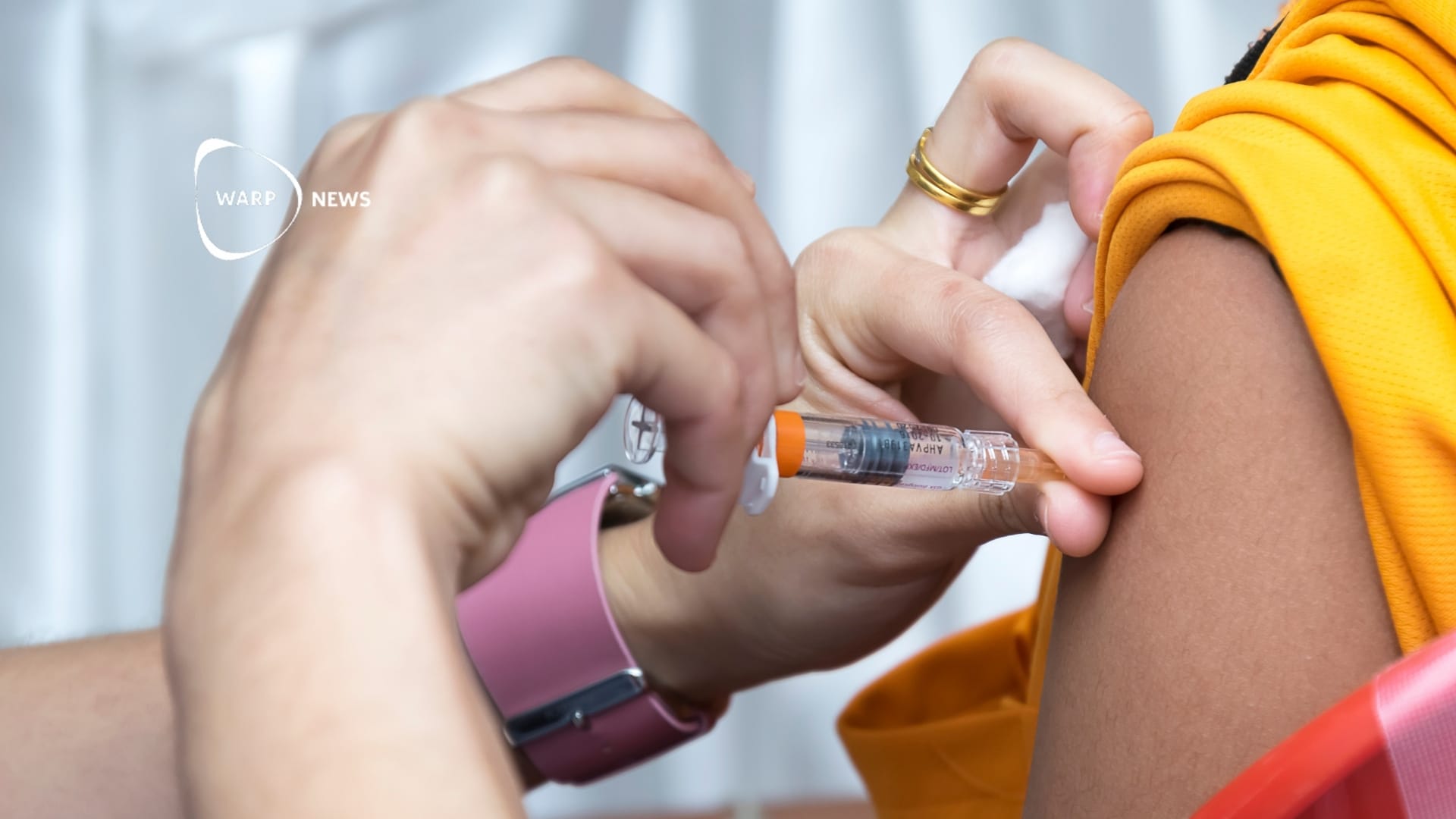
👩⚕️ New cancer vaccine shows promising results against pancreatic cancer
Patients who received a personalized cancer vaccine and developed an immune response lived longer without relapse. The T-cells created by the vaccine remained in the body for about 3 years and continued to fight cancer cells.

🥼 AI shortens handling of pharmaceutical documentation from 15 weeks to 10 minutes
Processes that previously required more than 50 people and took several months can now be handled by only three people with AI support. Novo Nordisk has reduced the time to compile regulatory documents from 15 weeks to less than 10 minutes using AI.
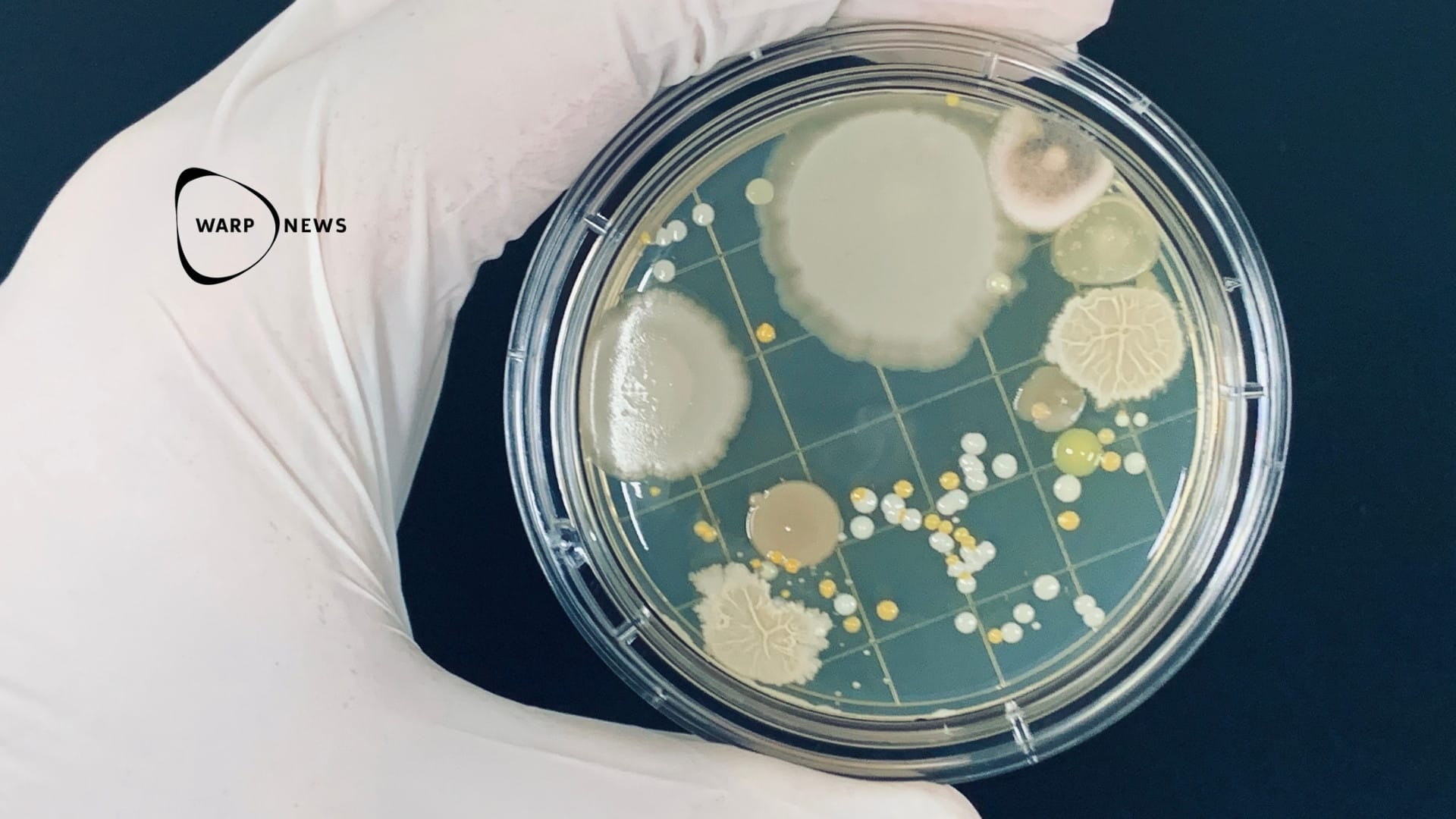
🦠 Scientists recreate life's most important microbial interaction
Scientists have for the first time managed to observe how a bacterium begins living inside a fungal cell. The results provide new understanding of how complex life has evolved.
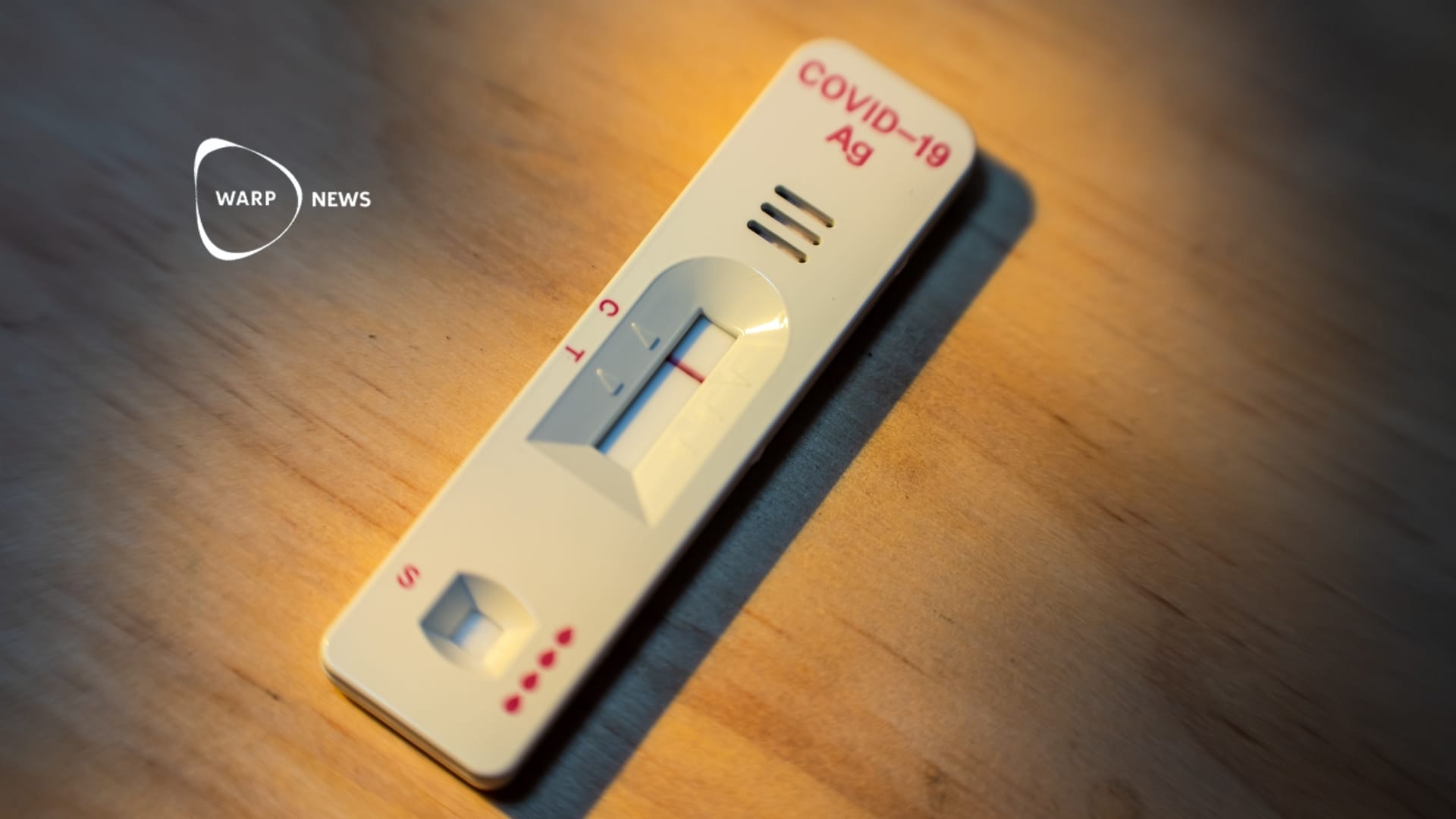
😷 Covid symptoms are getting milder
Despite covid-19 variant XEC showing concerning early results in the laboratory, hospitalizations are fewer than previous winters. The majority of those infected are either asymptomatic or experience only mild cold symptoms that can be confused with seasonal allergies.
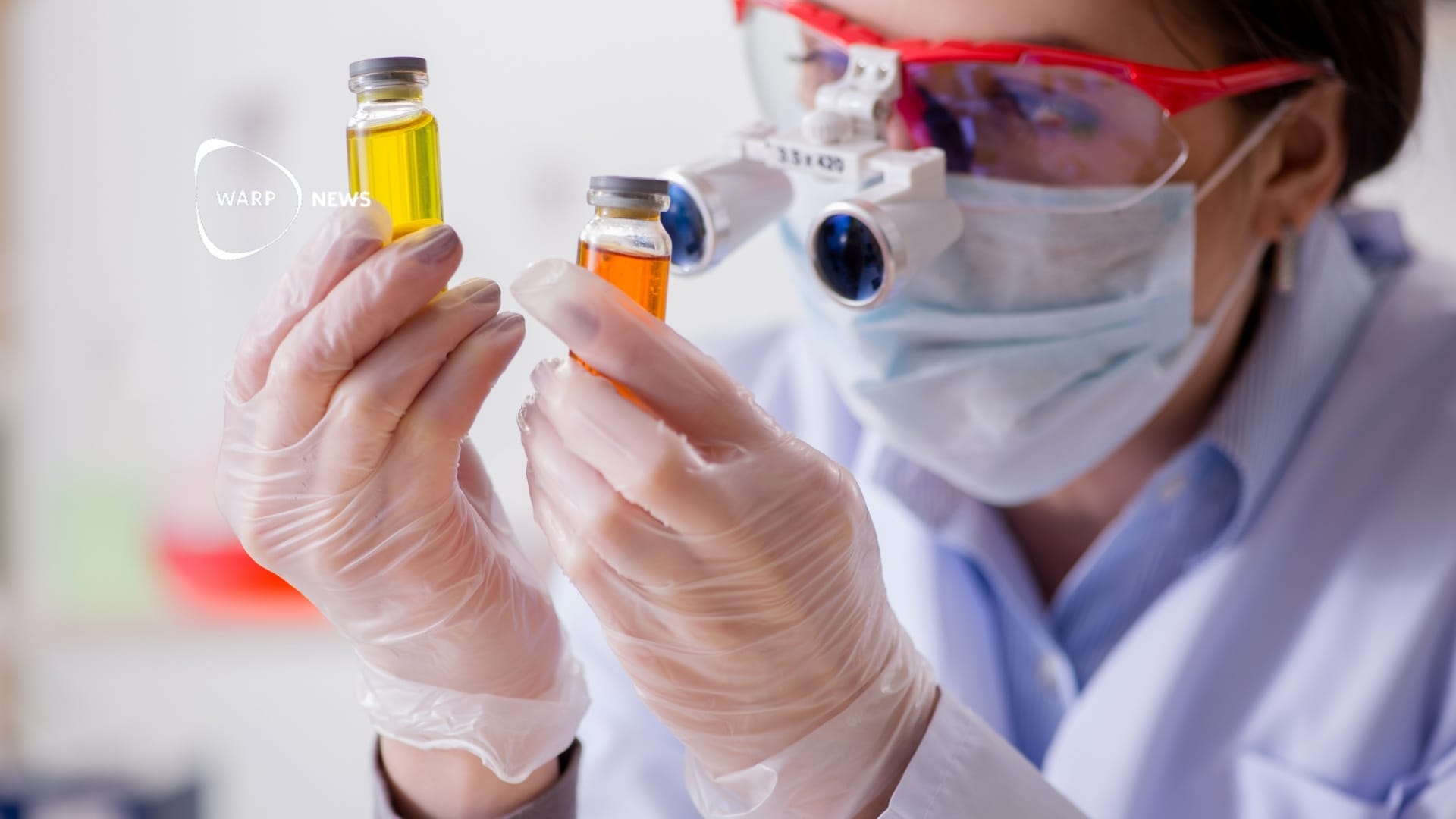
💊 AI-designed drugs entering clinical trials this year
Alphabet's subsidiary Isomorphic Labs plans to have their first AI-designed drugs in clinical trials before the end of the year. The company focuses on major disease areas including cancer, cardiovascular diseases, and neurodegeneration.

💊 New comprehensive study shows over 60 health effects of Ozempic drugs
Study with 215,000 participants shows that Ozempic-like drugs reduce the risk of 42 different health conditions. People taking the medications have a 12% lower risk of developing Alzheimer's disease. The study also shows 9% lower risk of heart attack and 8% lower risk of deep vein thrombosis.
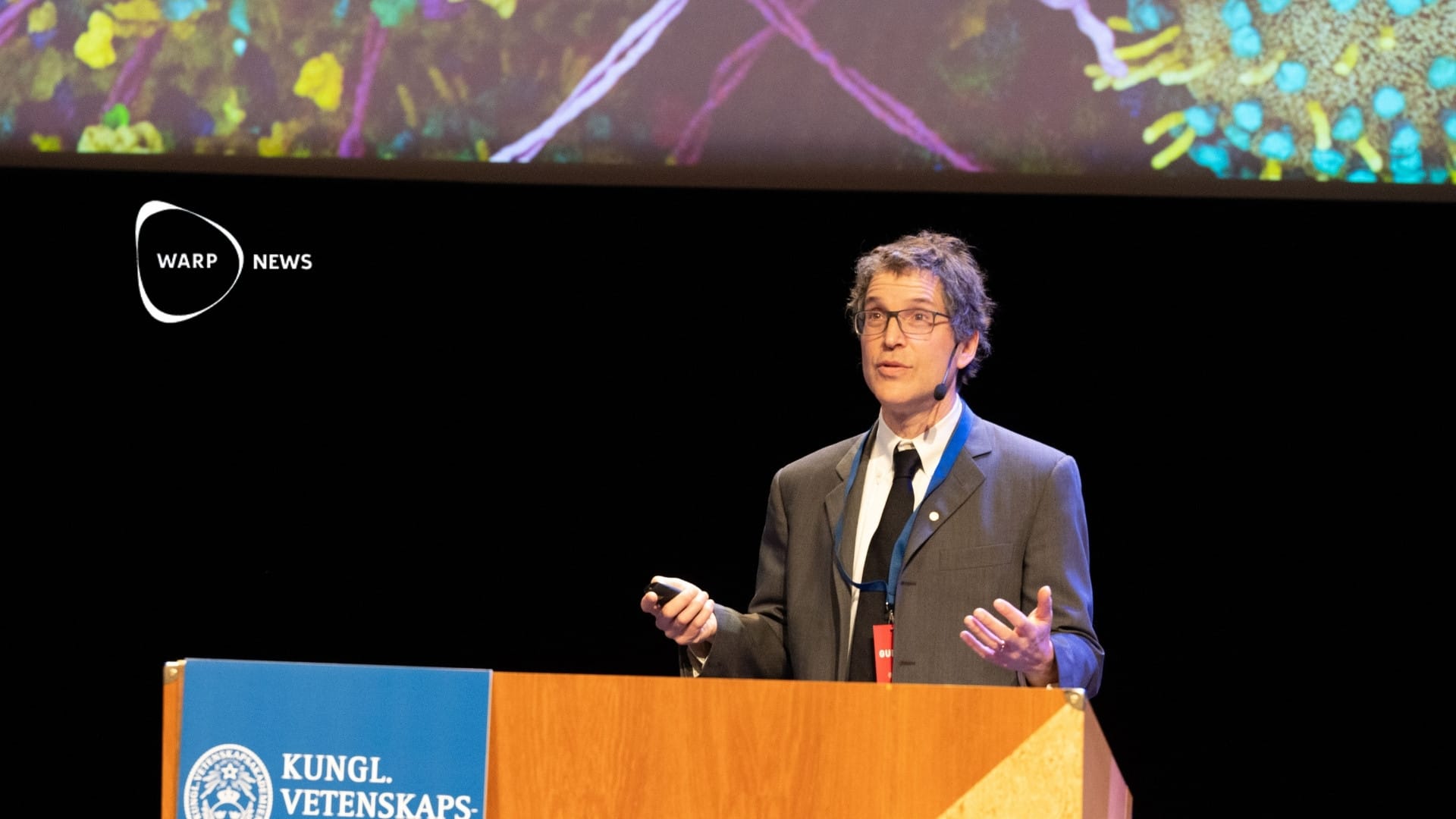
💡 Nobel laureate transforms AI hallucinations into new proteins
David Baker uses AI's ability to generate hallucination to develop entirely new proteins for medical treatment. His team converts AI's imagined protein structures into real proteins that can be used in healthcare. The method has led to 10 million new proteins.

🧒 Cancer mortality in children has decreased by 84%
Childhood cancer mortality in the US has decreased six-fold since the 1950s. Improved treatment methods for leukemia have led to significantly more children surviving the disease. Mortality has decreased significantly for all types of cancer, including lymphoma and multiple myeloma.
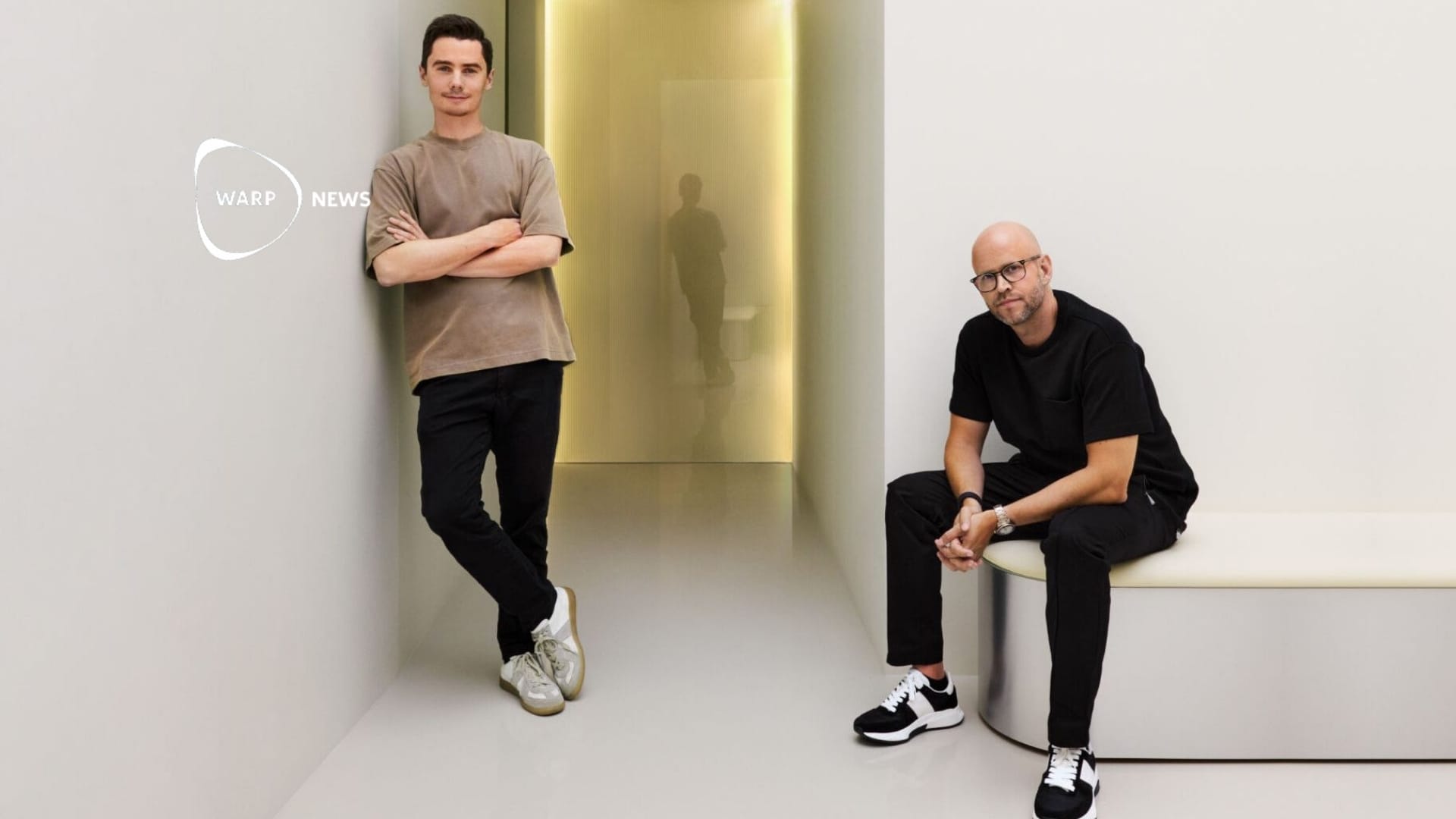
👩⚕️ Spotify founder's Neko Health raises $290 million - expands to US
Neko Health has secured an investment of $290 million to open more clinics in Europe and the USA. The company has already scanned 10,000 people and has 100,000 people on the waiting list.