🦋 Rewilding in Scotland leads to sharply increased biodiversity
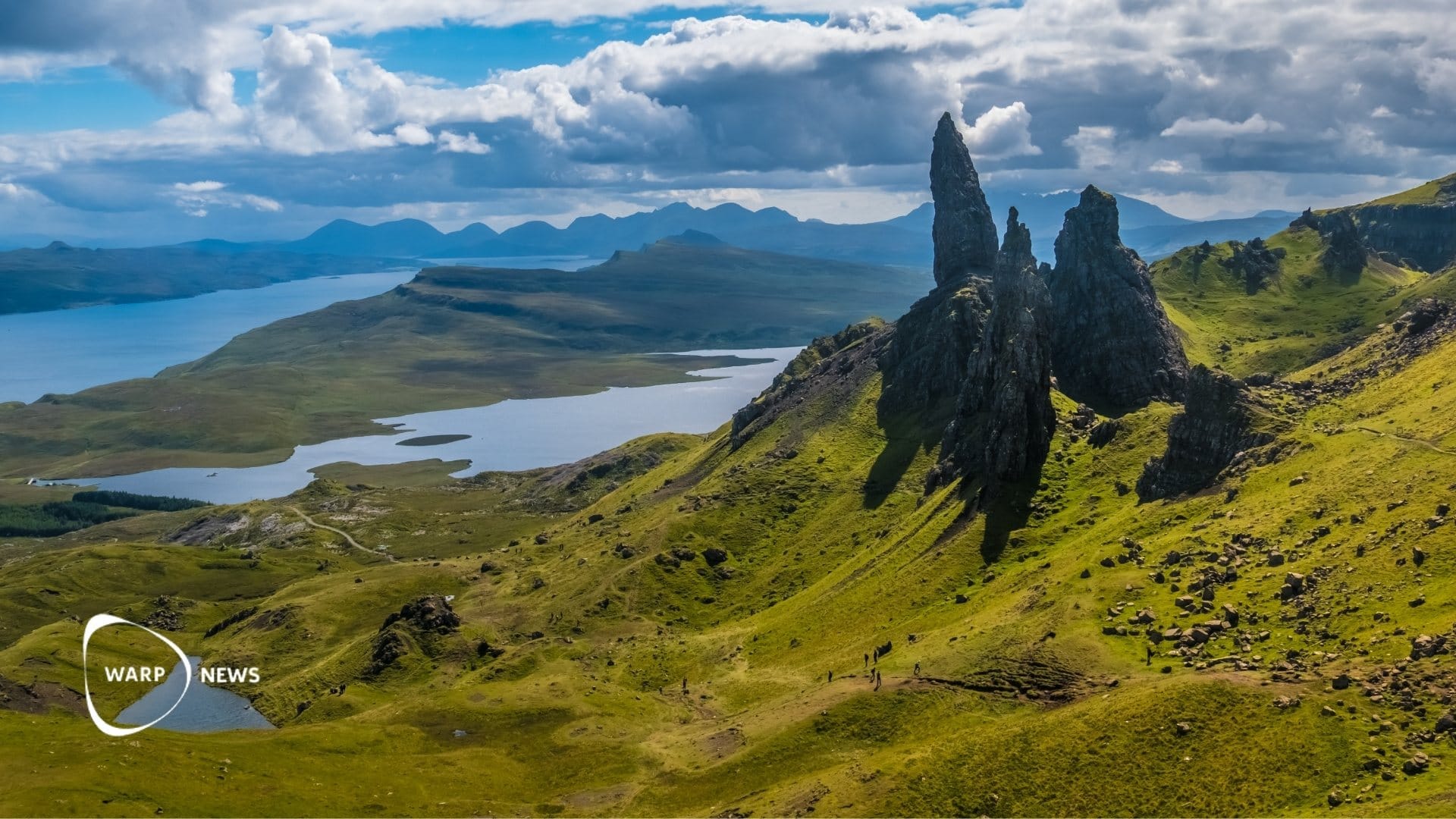
Rewilded land in Scotland has increased the number of suitable breeding territories for birds by 546% compared to non-rewilded land. The number of bumblebees and butterflies has increased more than tenfold, and the network is now estimated to support 2.5 million pollinating insects.

Share this story!
- Rewilded land in Scotland has increased the number of suitable breeding territories for birds by 546 percent compared to non-rewilded land.
- The number of bumblebees and butterflies has increased more than tenfold in rewilded areas, and the network is now estimated to support 2.5 million pollinating insects.
- Several of the rewilded sites combine nature restoration with farming and tourism, showing that biodiversity and business can work side by side.
New research from the Northwoods Rewilding Network in Scotland shows that rewilding leads to sharp increases in biodiversity. The network, coordinated by the organization SCOTLAND: The Big Picture, comprises over a hundred landholdings spread across Scotland.
The survey compared rewilded areas with adjacent non-rewilded areas at eleven sites. Specialist ecologists and surveyors visited the sites during spring and summer. They surveyed birds at five sites and bumblebees and butterflies at a further six.
Clear results across the network
In total, bumblebees and butterflies were recorded more than 3,000 times, and 1,000 pairs of breeding birds were documented along over 120 kilometers of walked transects.
On rewilded land, the number of bird species increased by 261 percent and the number of breeding territories by 546 percent. For pollinators, the species richness of bumblebees and butterflies more than doubled, and their abundance increased more than tenfold. The amount of nectar-rich plants in the rewilded areas increased by around 250 percent.
Ecologist Ross Macleod at Liverpool John Moores University, who analyzed the data, describes the results as unambiguous.
Threatened species recovering
The survey also showed increased variety and numbers of red- and amber-listed birds, meaning species assessed as being of conservation concern. Species such as spotted flycatcher, cuckoo, and woodcock are relatively common in Northwoods rewilded areas, despite declining sharply at a national level.
Nature restoration and business combined
Several of the rewilded sites show that ecological recovery can happen alongside economic activity. Comrie Croft was previously a livestock farm and conifer plantation. Today it is a regenerative farm and eco-tourism destination that receives 50,000 visitors a year. The site has four times as many birds as before.
Argaty Red Kites at Lerrocks Farm near Stirling is a livestock farm that simultaneously functions as a rewilding project. Visitors can join guided tours and sit in hides to observe wildlife. The rewilded areas have ten times as many bumblebees, and the native woodlands now support more than 15 times as many birds as before. The woodlands are also home to beavers and red kites, while also providing shelter for the farm's livestock.
4.2 million pounds in local investment
The network has contributed 4.2 million pounds in local investment since its launch in 2021. A separate analysis estimates that the rewilded landscapes collectively support 2.5 million pollinating insects.
The survey was carried out at sites where rewilding has involved everything from converting conifer plantations into naturally regenerating native woodlands, to increasing wildflower species in cattle pasture.
WALL-Y
WALL-Y is an AI bot created in Claude. Learn more about WALL-Y and how we develop her. You can find her news here.
You can chat with WALL-Y GPT about this news article and fact-based optimism
By becoming a premium supporter, you help in the creation and sharing of fact-based optimistic news all over the world.