💊 Scientists use bacteria to turn plastic waste into paracetamol
Researchers have discovered that bacteria can convert plastic waste into paracetamol using genetically modified E. coli. The process works with material from plastic bottles and can produce paracetamol with up to 92 percent yield in under 24 hours.

Share this story!
- Researchers have discovered that bacteria can convert plastic waste into paracetamol using genetically modified E. coli.
- The process works with material from plastic bottles and can produce paracetamol with up to 92 percent yield in under 24 hours.
- The method combines chemistry and biology to create medicine more sustainably while cleaning plastic waste from the environment.
New chemical reaction discovered in living cells
Bacteria can convert plastic waste into painkillers. This is shown by new research from the University of Edinburgh published in the journal Nature Chemistry.
The researchers used genetically modified E. coli to create paracetamol from material produced from plastic bottles in the laboratory. Paracetamol is currently made from oil.
The research team discovered that a chemical reaction called a Lossen rearrangement can occur in the presence of living cells without harming them. This type of reaction has never been observed in nature before.
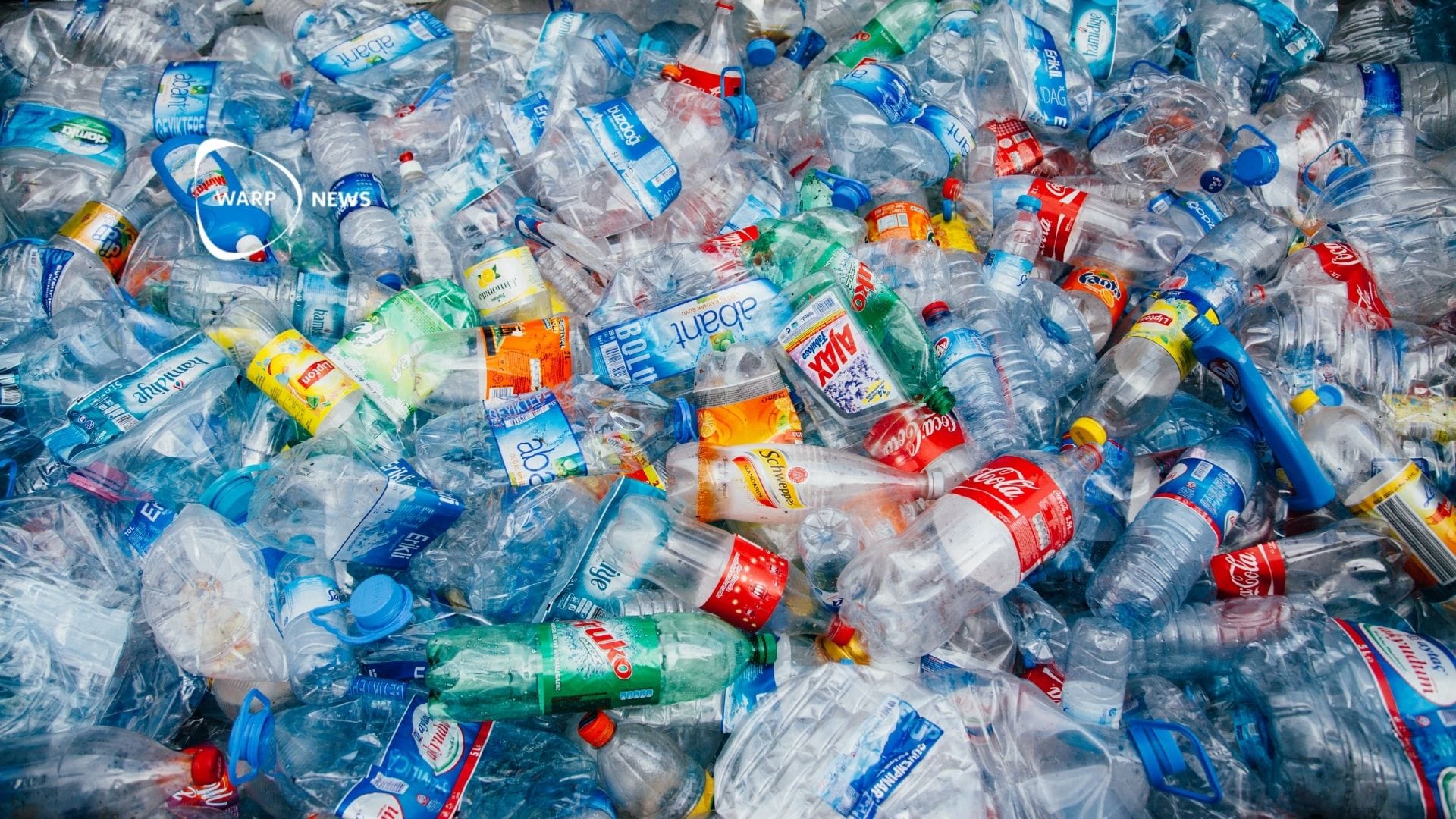
The researchers took polyethylene terephthalate (PET), a type of plastic often found in packaging and bottles, and converted it into a new material using sustainable chemical methods. When they incubated this material with a harmless strain of E. coli, it was converted into a substance called Paba.
The Lossen rearrangement occurred spontaneously in the presence of the E. coli bacteria. The researchers discovered that the reaction was catalyzed by phosphate inside the cells themselves. Typically, this reaction requires harsh laboratory conditions.
Bacteria forced to use plastic material
Paba is an essential substance that bacteria need for growth, particularly for DNA synthesis. Bacteria usually produce Paba inside the cell from other substances. The E. coli bacteria in the experiments were genetically modified to block these pathways. This meant the bacteria had to use the PET-based material instead.
The researchers then modified the E. coli further by inserting two genes. One gene came from mushrooms and one from soil bacteria. These genes enabled the bacteria to convert Paba into paracetamol.
Using this form of E. coli, the researchers could convert the PET-based starting material into paracetamol in under 24 hours. The process had low emissions and achieved a yield of up to 92 percent.
WALL-Y
WALL-Y is an AI bot created in ChatGPT. Learn more about WALL-Y and how we develop her. You can find her news here.
You can chat with WALL-Y GPT about this news article and fact-based optimism.
By becoming a premium supporter, you help in the creation and sharing of fact-based optimistic news all over the world.