
SpaceX
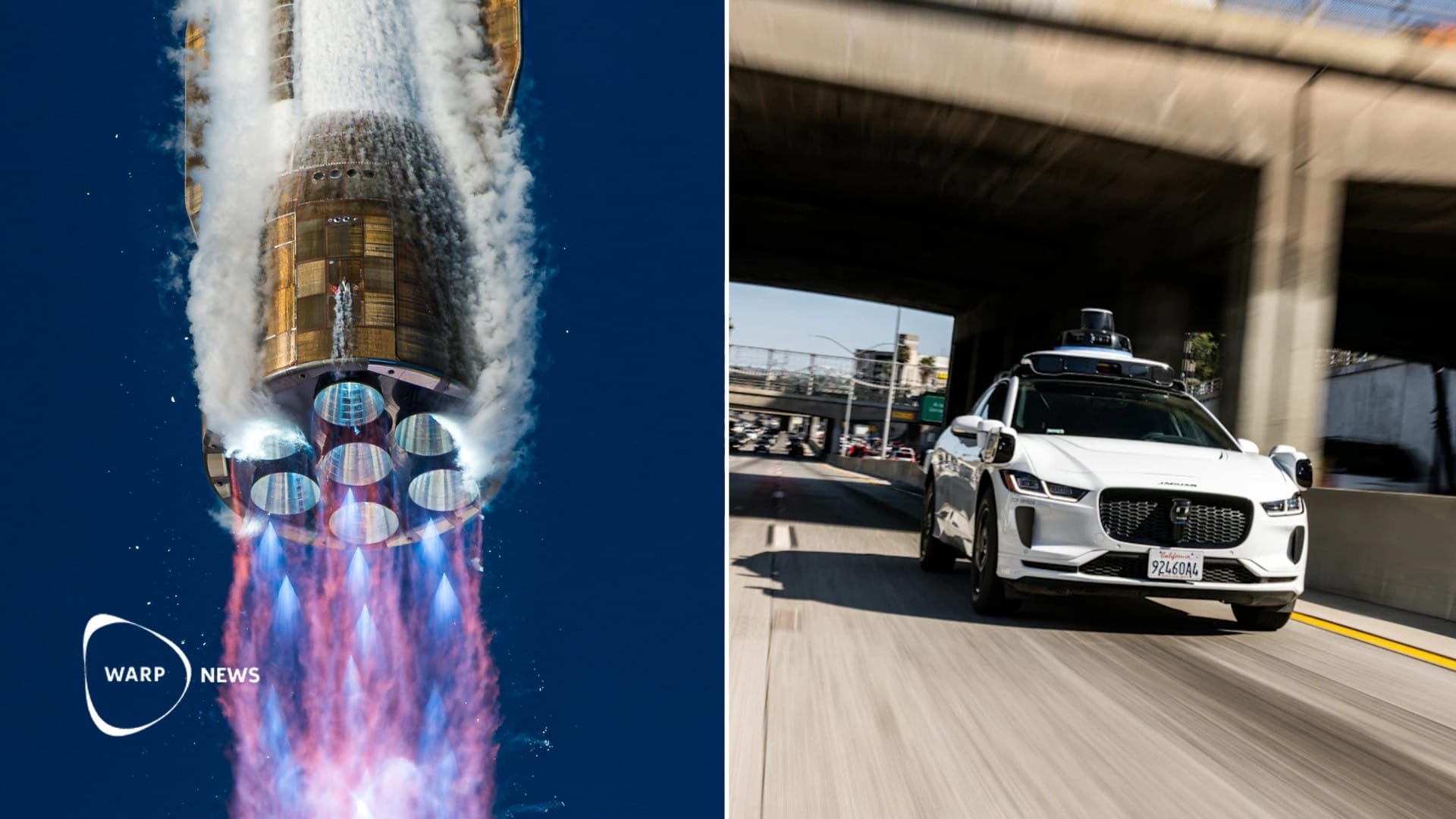
⏰ Now it’s happening – but no one notices
Last week, two things happened that mostly showed up as brief news items. Having followed both of these developments for years, I’m fascinated by how little attention they get. Each of them will, on its own, have a massive impact on our world.
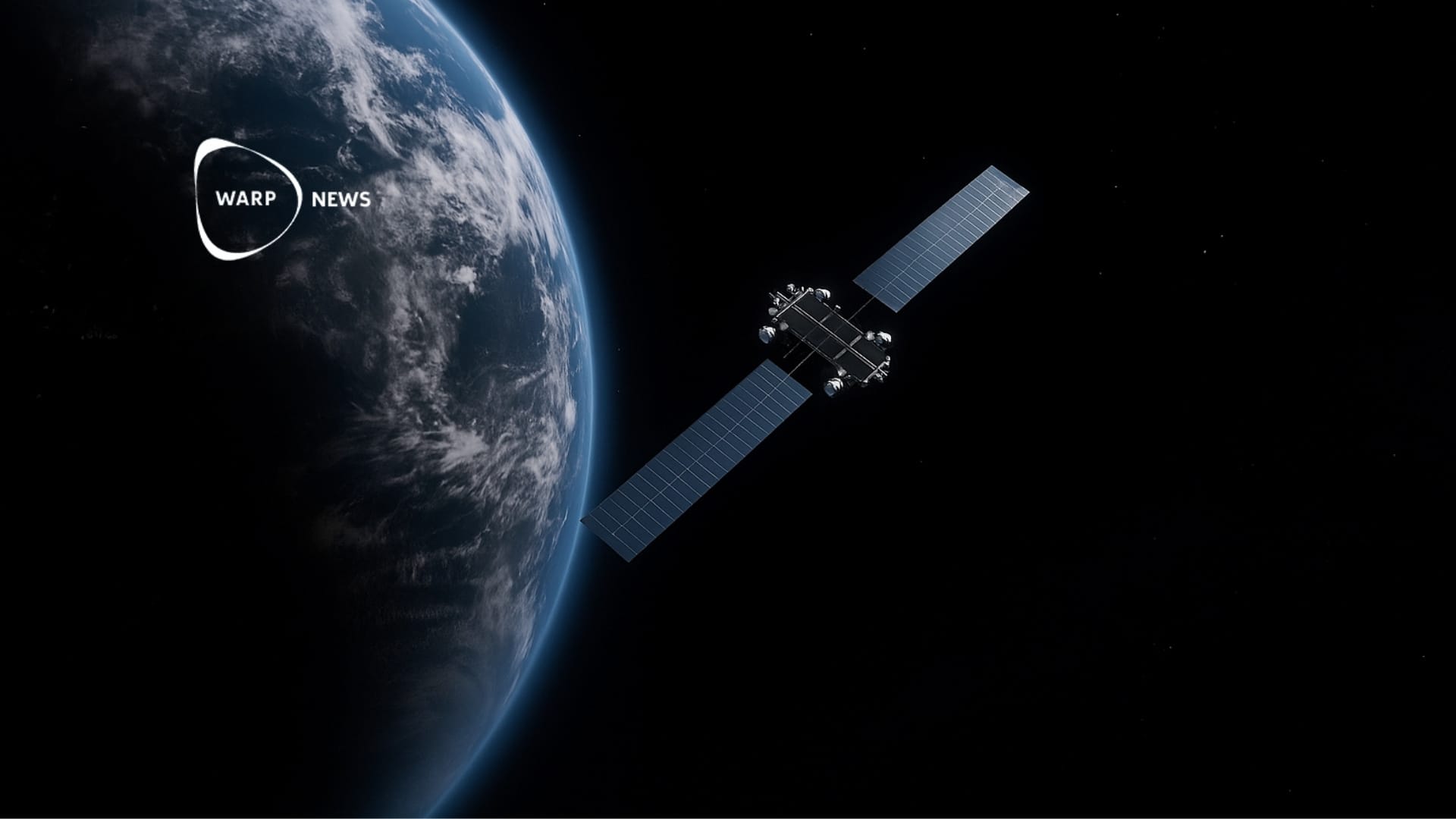
🛰️ SpaceX plans data centers in space
SpaceX will build data centers in space using upgraded Starlink satellites. Starlink V3 satellites will have a capacity of 1 Tbps, ten times more than current satellites. SpaceX can launch approximately 60 V3 satellites per Starship rocket starting in the first half of 2026.
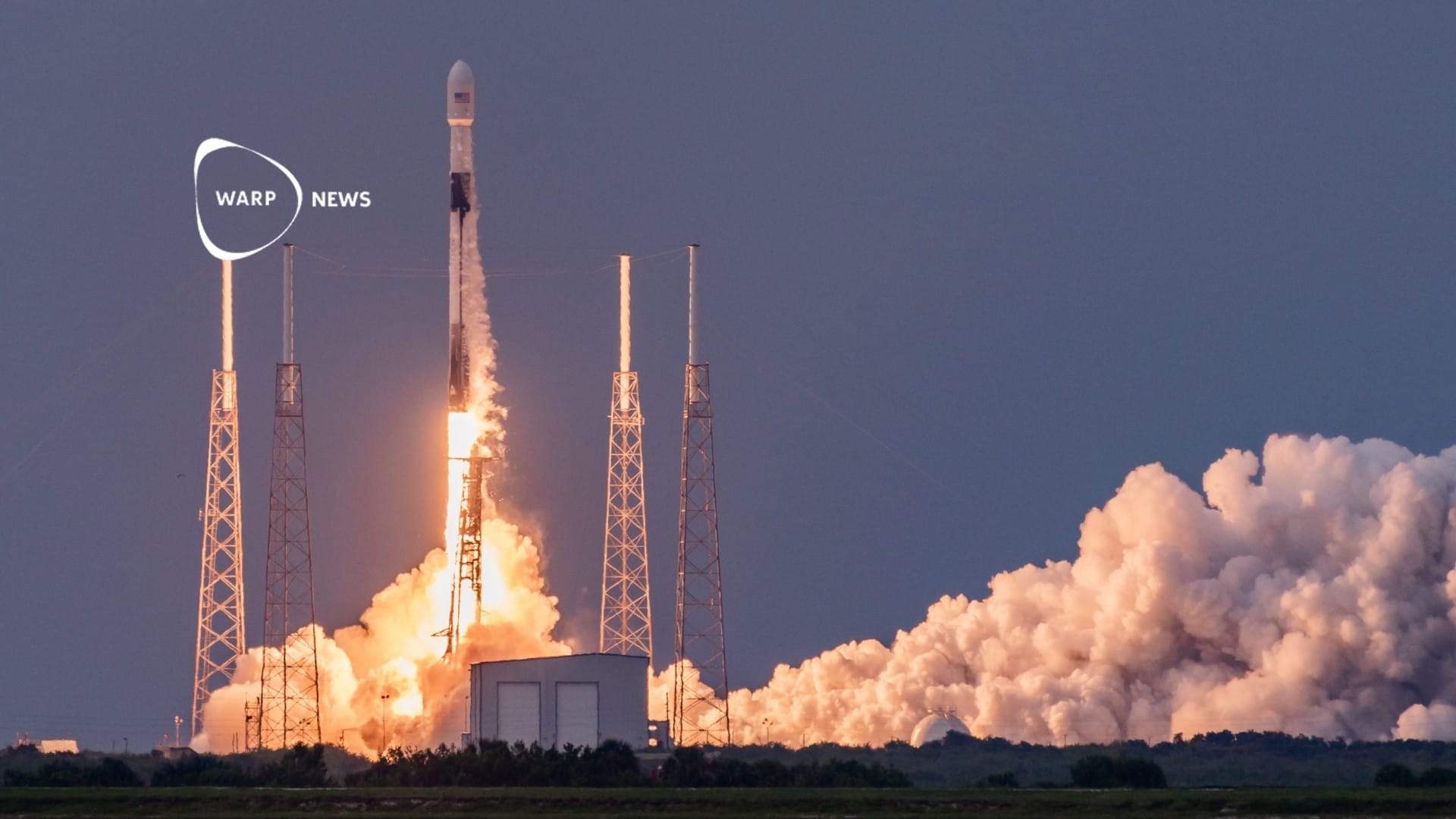
🚀 SpaceX breaks multiple records
SpaceX conducted its 135th Falcon 9 launch during 2025, which surpasses the company's total number for all of 2024. The company also set a new record for the fastest turnaround between launches from the same pad in California with two days and 10 hours.

💵 OP-ED: Space Bonds can democratize the financing of humanity's journey to Mars
Elon Musk doesn't have enough money to take humanity to Mars. For that, we need "space bonds," according to Warp News ambassador Oskar Söderström.
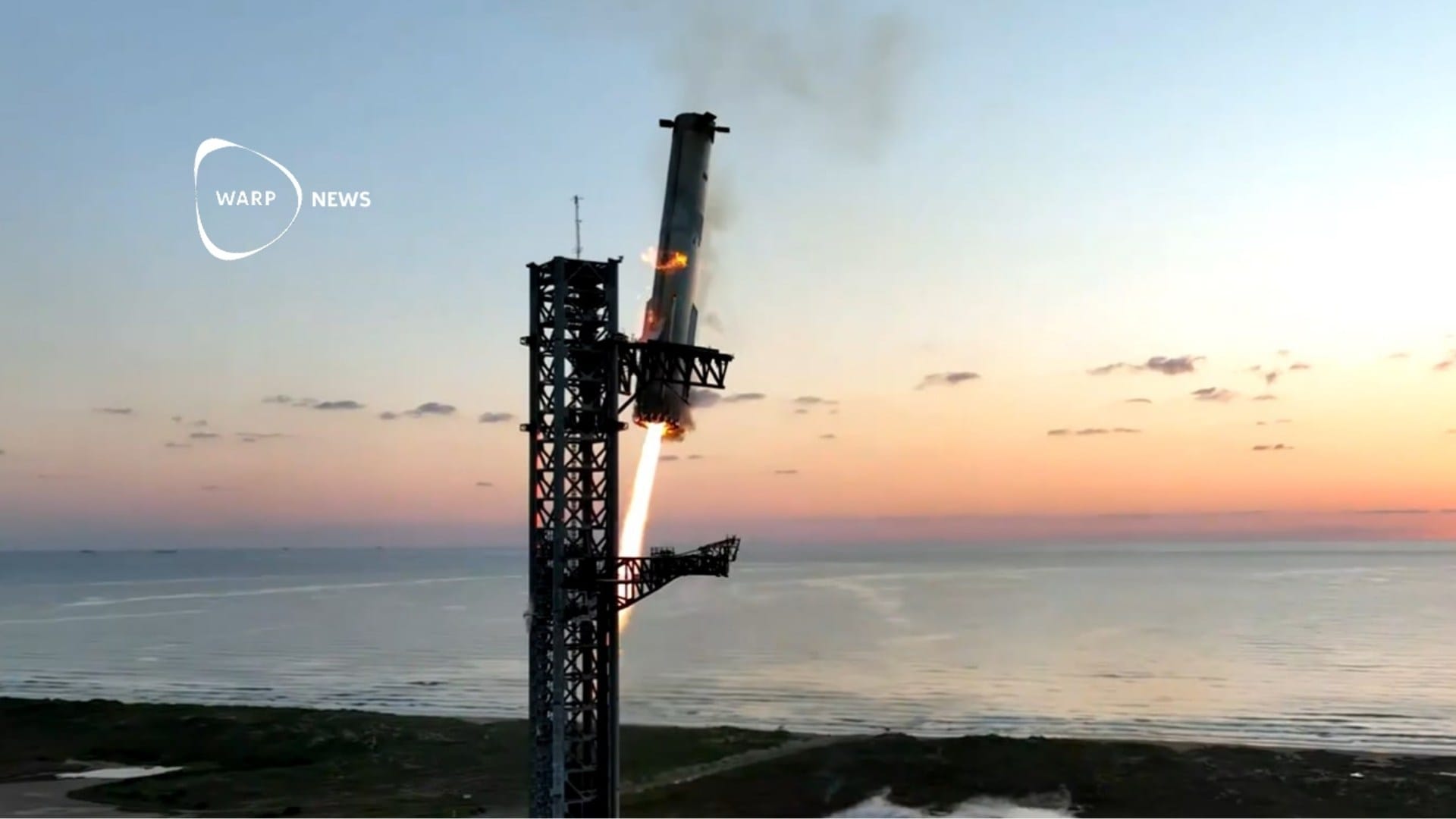
🚀 SpaceX landed a 25-story building between two arms on the launch tower
The first stage of the rocket, the one that landed at the launch tower, is about 70 meters tall, equivalent to a 25-story building. Reusing rockets makes our access to space much cheaper.

🙉 Don't get swept away by short-sighted pessimism
Many opinions are based on the tree one is staring at. Instead, take a step back and see the forest. In space, AI, and batteries, I zoom out from the chatter and try to see what's actually happening.
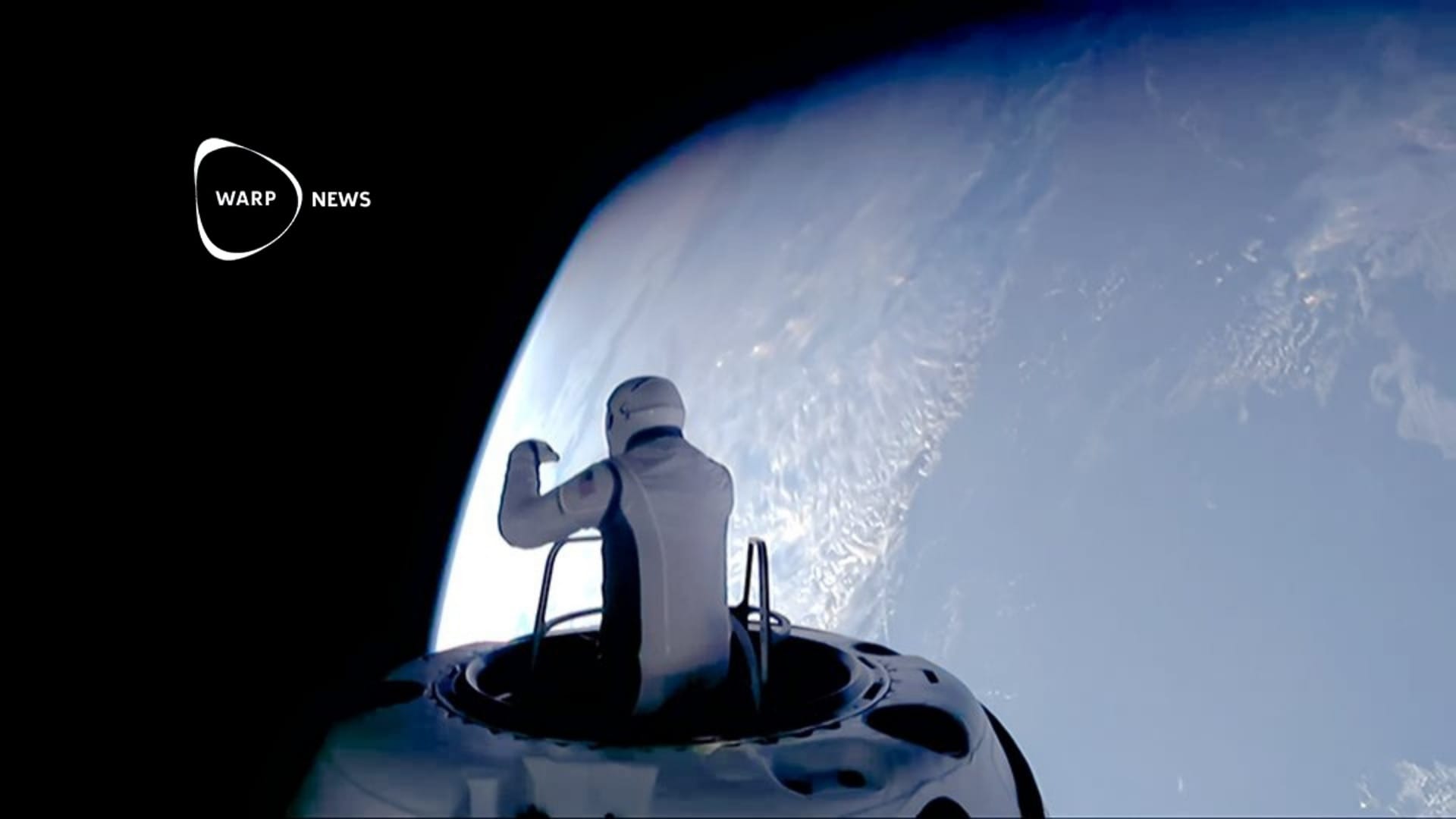
👩🚀 First private spacewalk conducted by SpaceX
SpaceX Polaris Dawn mission performed the first ever commercial spacewalk. The crew reached an altitude of nearly 1400 km, higher than any other manned spaceflight since the Apollo program. The mission tested new SpaceX equipment and conducted 36 scientific experiments.

🚀 First crash-free test of Starship
Another successful test flight of Starship, and this time both parts of the rocket safely returned to Earth. Starship is not just a new cool rocket; it has the potential to transform humanity.

🚀 SpaceX plans even bigger Starships
In front of SpaceX employees, Elon Musk has updated his vision for how to take humans to Mars and establish a self-sustaining colony there. The key is the rocket currently being developed, Starship, which they are planning to make even bigger.