
Tesla
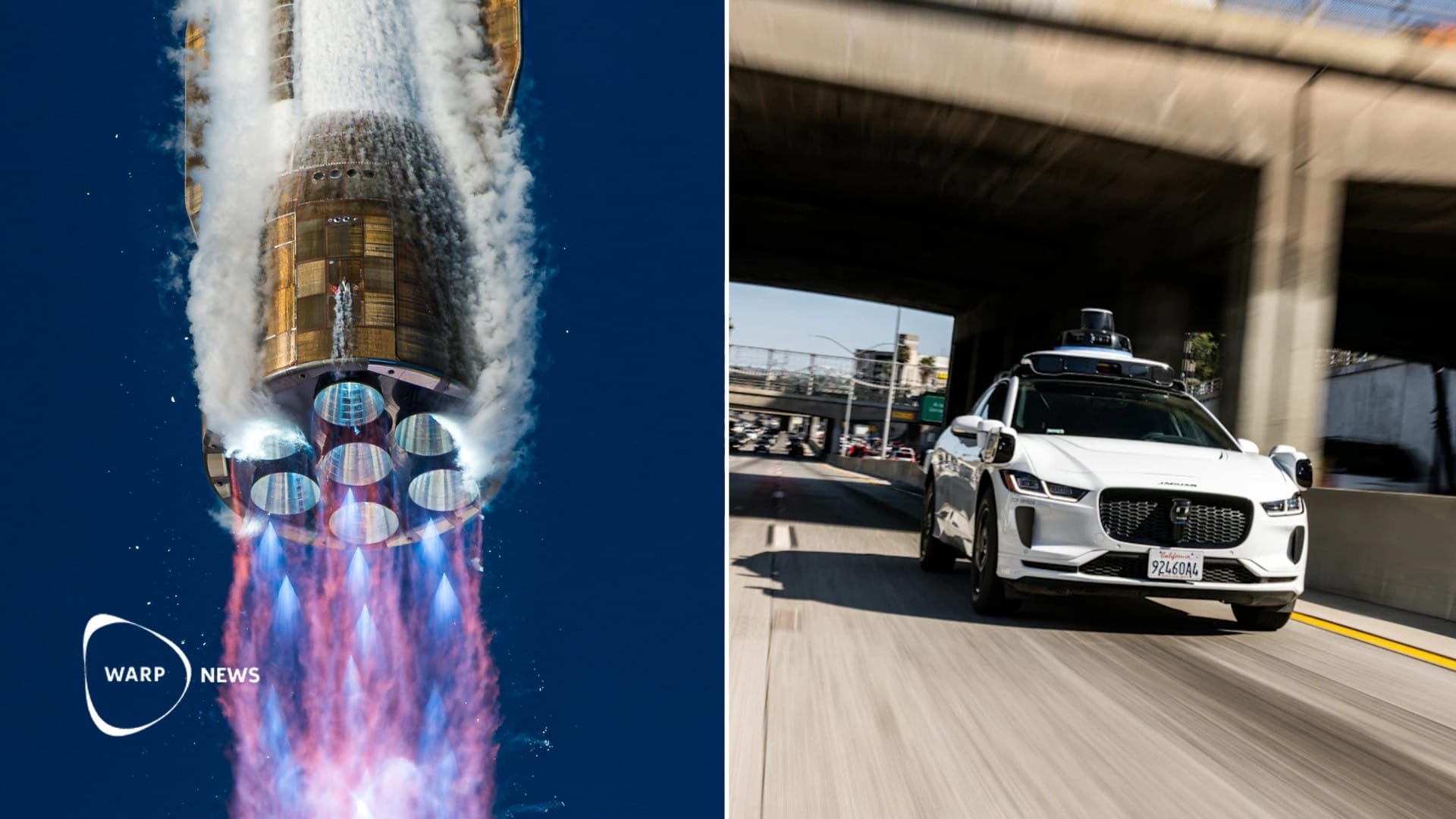
⏰ Now it’s happening – but no one notices
Last week, two things happened that mostly showed up as brief news items. Having followed both of these developments for years, I’m fascinated by how little attention they get. Each of them will, on its own, have a massive impact on our world.
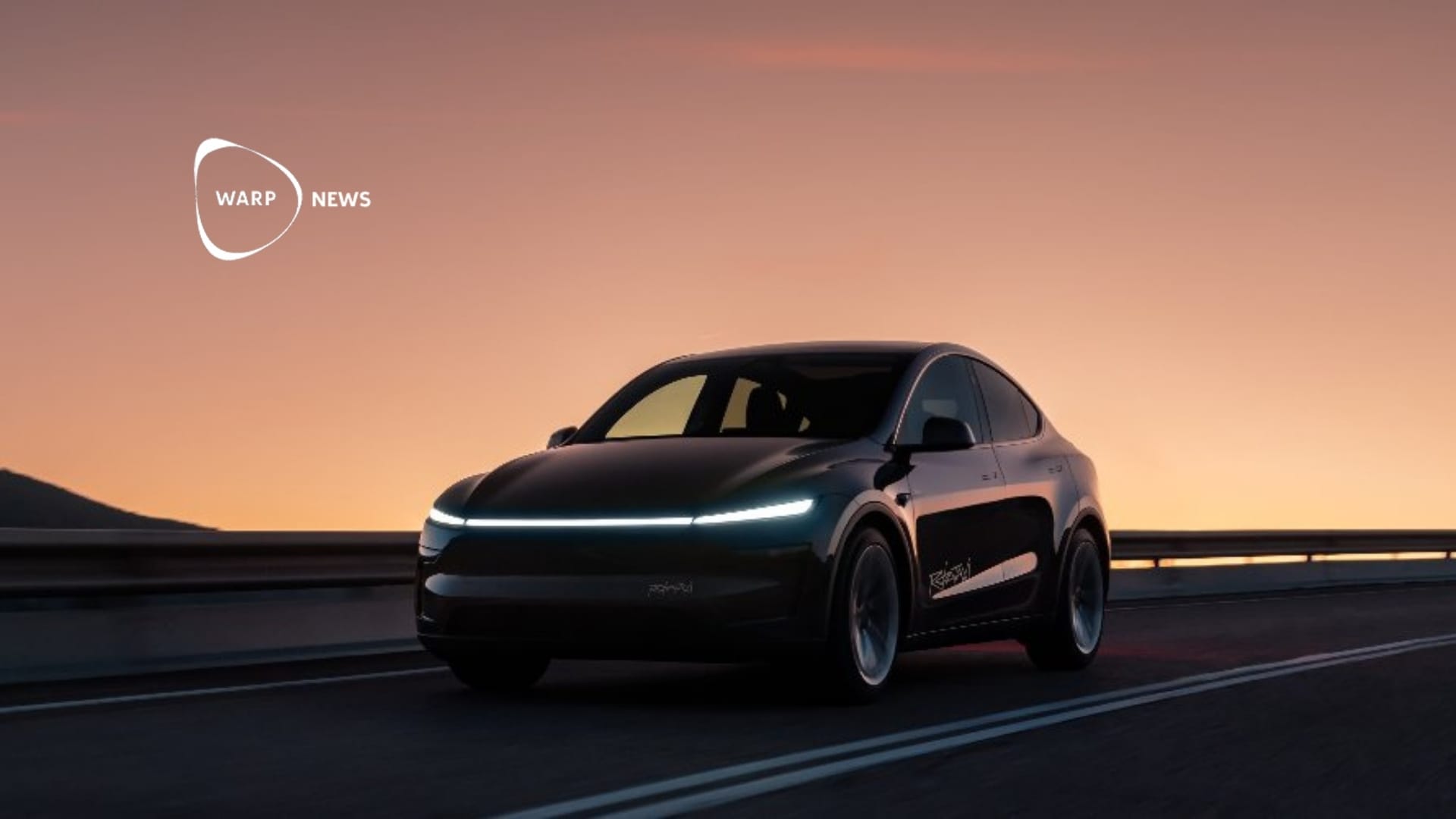
🚗 Tesla starts driverless taxi service in Austin
Tesla has launched its Robotaxi service without drivers in Austin, Texas, where the public can for the first time order driverless rides. This is the first step in a rollout that Elon Musk has said will make autonomous ride-sharing ubiquitous.
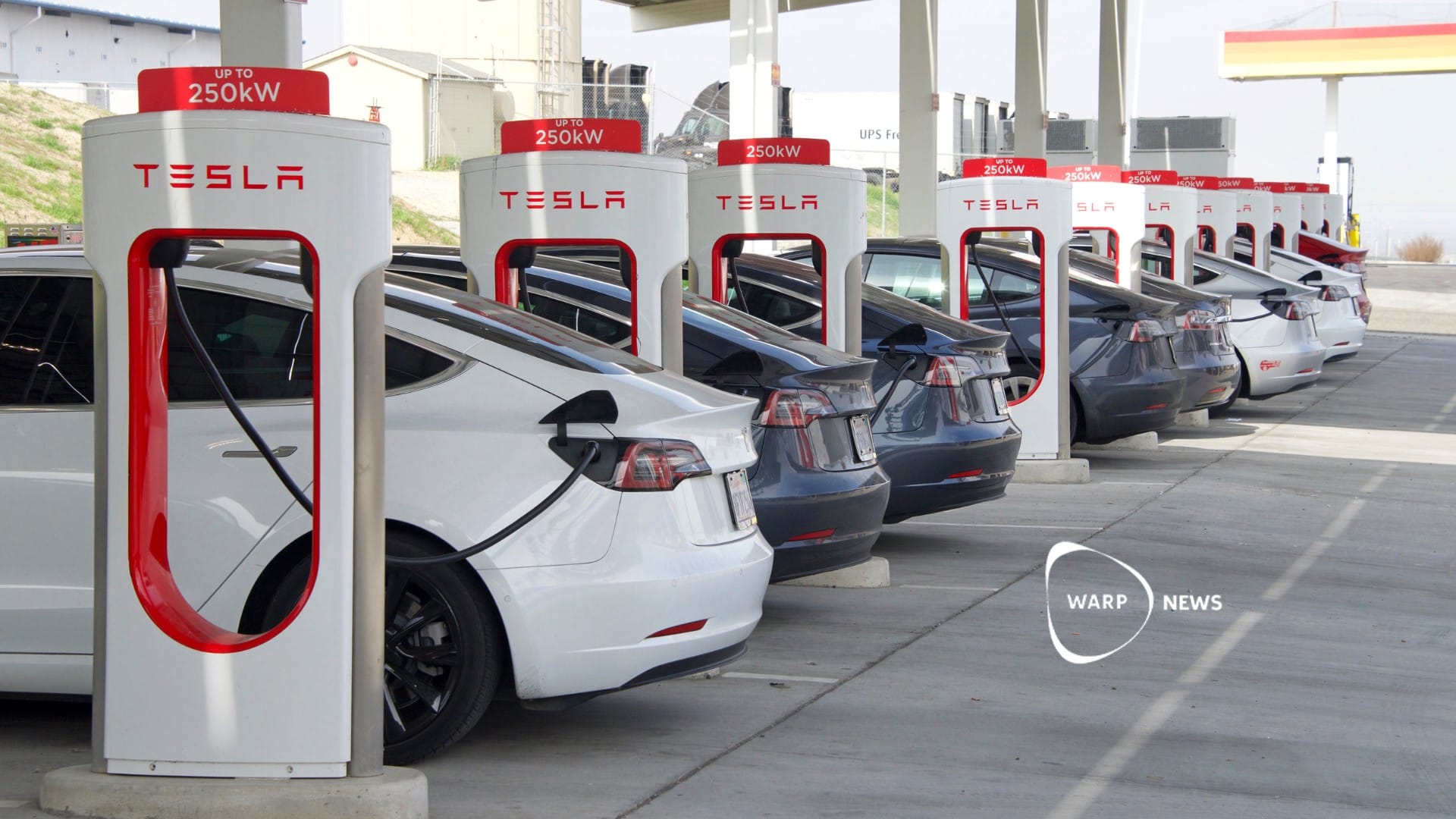
🔋 Electric cars will continue to rise in the US (despite what some claim)
Despite challenges such as inadequate charging infrastructure and high costs, 42 percent of respondents are considering buying an electric car as their next vehicle.
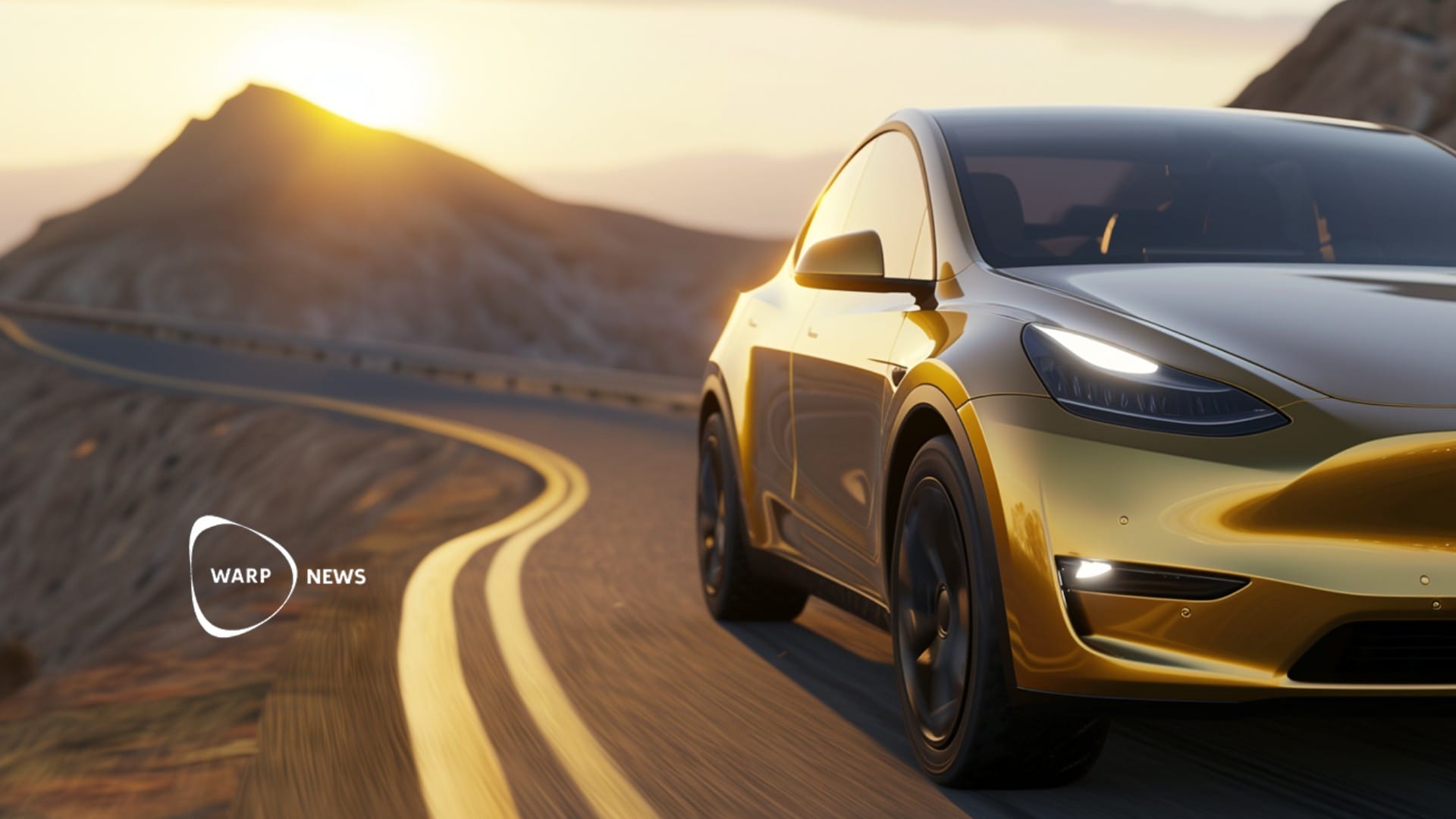
🔋 An electric car became the world's best-selling car in 2023 (for the first time)
It took three years from the launch of Tesla's Model Y for it to conquer the position as the world's best-selling car, across all categories.
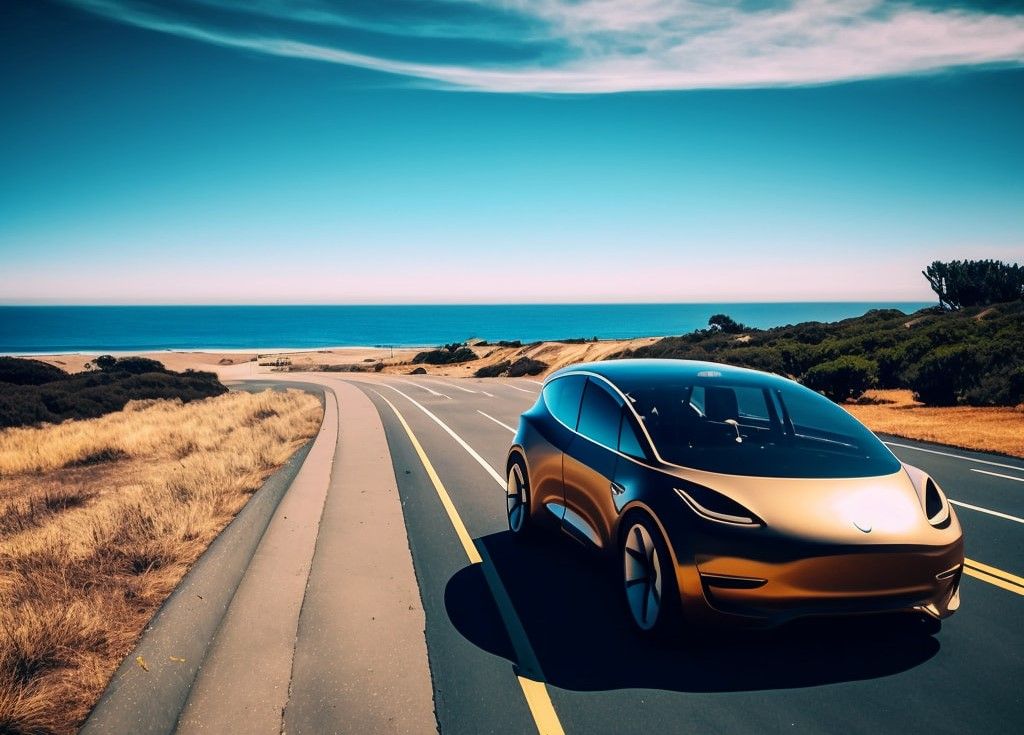
🚗 Tesla's next car model will be 50 percent cheaper
A new Model 3 costs just over $40,000 to buy. The price of the next generation vehicle could therefore be as low as a little more than $20,000.
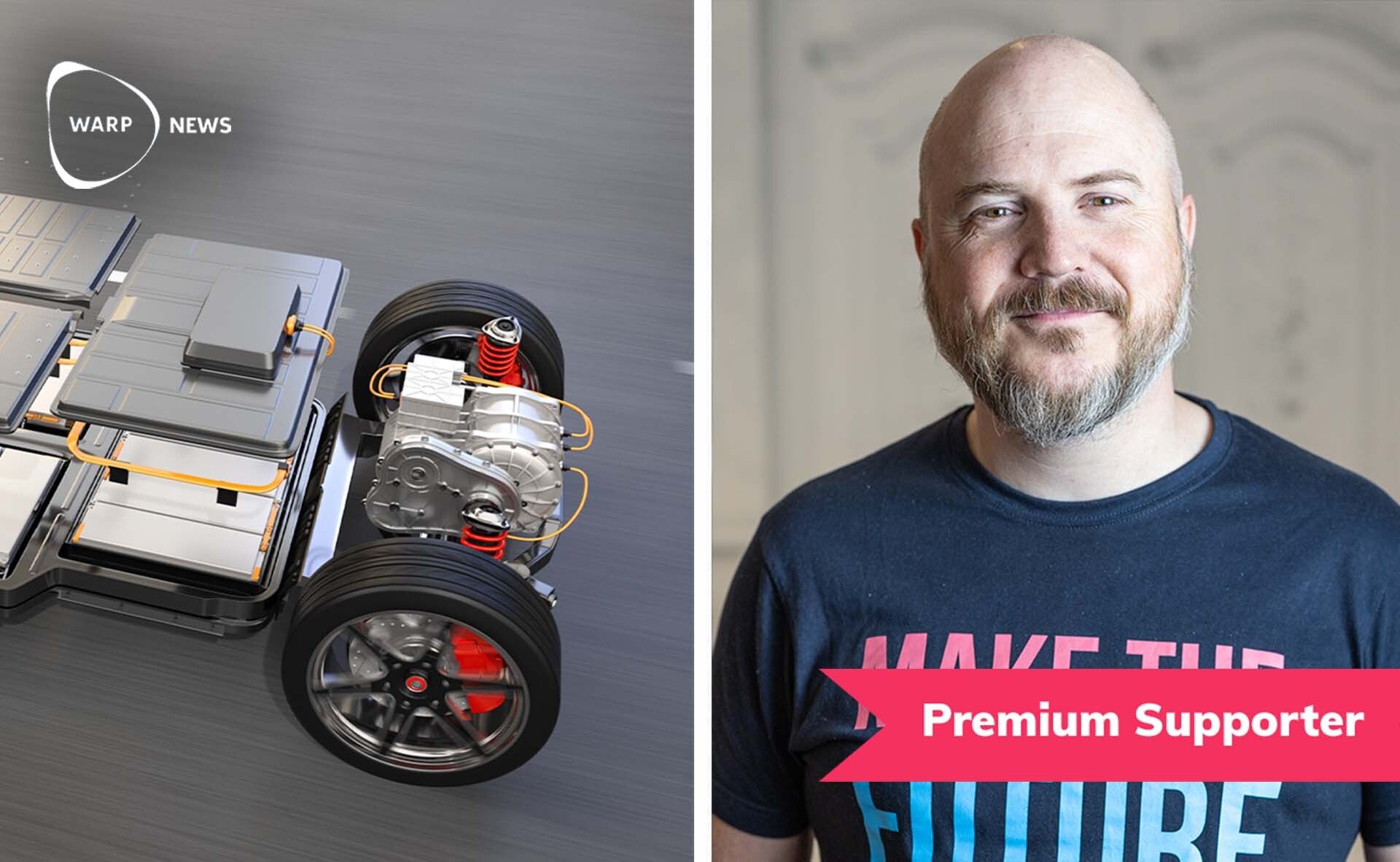
💡 Battery prices continue to drop- what does that mean for electric cars?
Will electric cars be cheaper to buy than the equivalent petrol cars in 2025? And does it matter when the big shift from petrol to electricity takes place? We have updated our forecast from last spring.
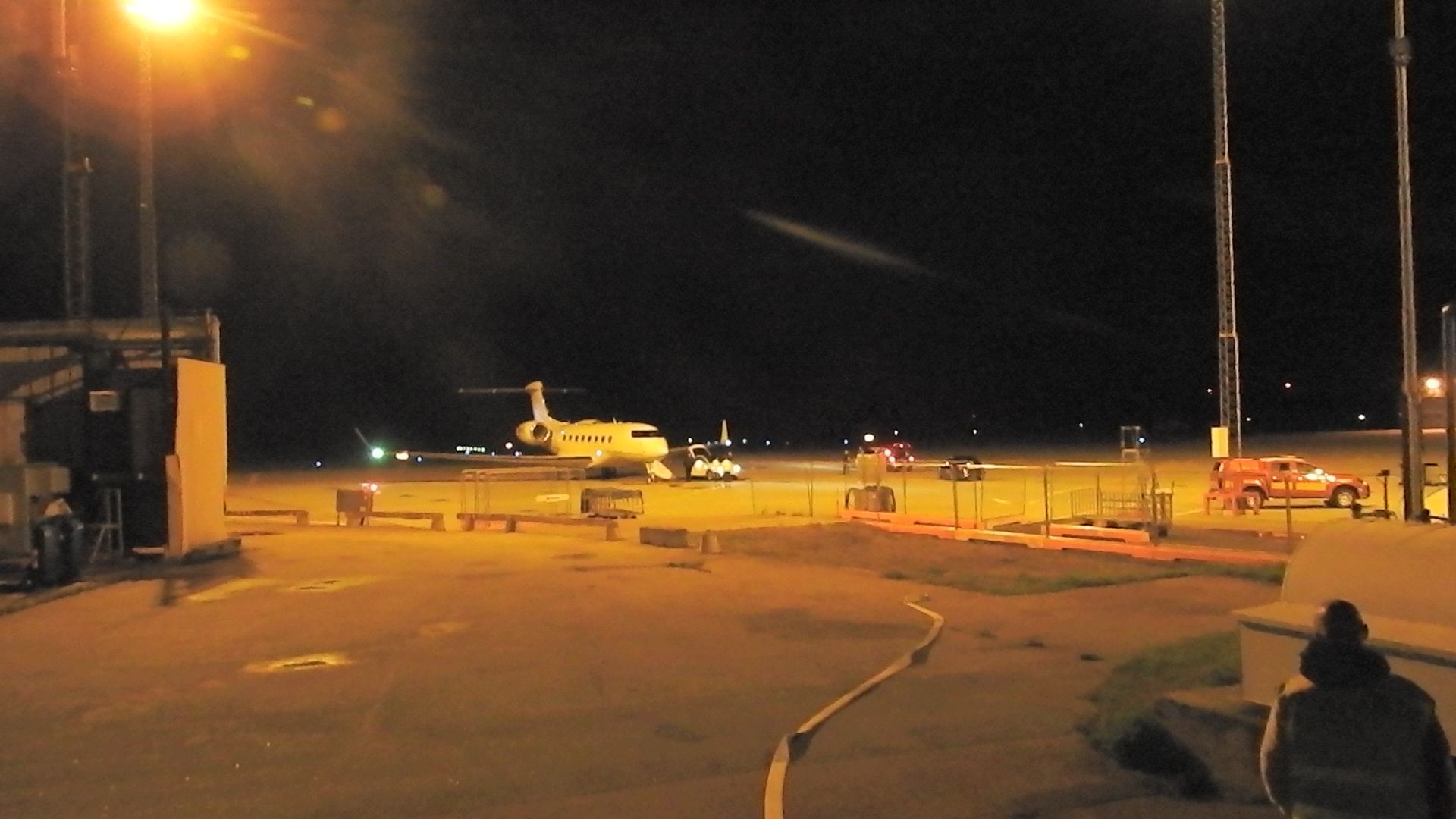
🙌 Tesla fans welcome Elon Musk at the airport - the kind of rock star we need
Elon Musk landed in Sweden on Saturday night and was met by a large number of Tesla fans. Musk is the kind of rock star we need. VIDEO of the landing and Musk's entrance in a white Model X.

📹 First videos of Tesla's Full-Self Driving beta - see the revolution
Excited Tesla owners test the Full-Self Driving beta software. The roll-out will provide Tesla with lots of data that it will use to upgrade and make the software better continually.
🚘 Tesla launches full self-driving beta and Waymo offers driverless taxi
Self-driving cars are taking a step forward with Tesla launching a beta test of the significant upgrade of their autopilot and Google's autonomous driving company, Waymo, offering driverless taxi service in Phoenix, Arizona.