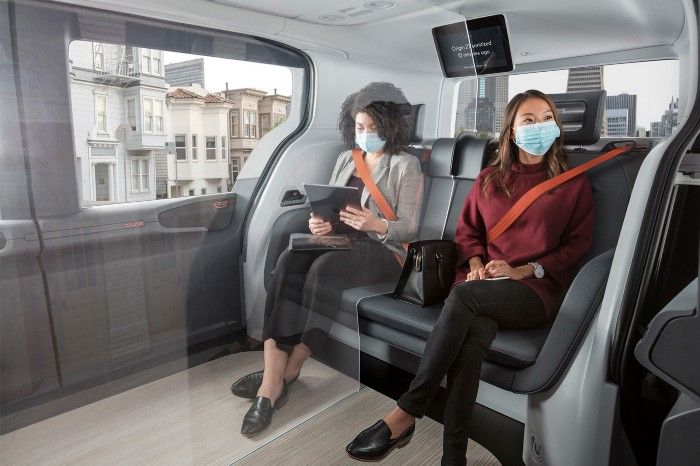
Within a couple of weeks, three companies have announced important steps in the quest for self-driving cars.
Tesla launched a beta test of their autonomous technology. Waymo opens up its driverless taxi service to the public in Phoenix, Arizona. And Cruise is doing the same thing in San Francisco.
Tesla is using private individuals in their beta test. First a small group of dedicated Tesla owners, all of them located in California it seems. They will continuously expand to more and more drivers across the U.S. and the world, as soon as the technology is safe enough and they get regulators approval.
Tesla already has autonomous hardware and software technology in their cars. The current beta test is a rewrite and significant upgrade of that software.
Waymo
Waymo has had cars without drivers in Phoenix during the year, but only limited to a few people with signed NDA:s. Now they are opening up their service to the public as a taxi service, and states that in the “near term, 100% of our rides will be fully driverless.”
Cruise
Cruise is also offering a taxi service to the public, but starts small with just five cars in one neighborhood. This will “start to introduce people to the concept that maybe driverless cars are coming,” says Cruise to Wired.
Zoox?
Zoox also recently received a permit for driverless cars in California, but hasn’t announced when they will start using it.
Removing the backup driver is a big step
Waymo and Cruise have a very cautious approach. They are afraid to cause a major accident and anger regulators and the public. Therefore it’s a big step when they feel confident enough to remove the backup driver.
A race for data
As the word suggests, machine learning means that computer software uses data to train itself.
There are many different opinions out there about which company is in the lead, but since data is the name of the game, it seems likely to me that Tesla is number one. When the other companies count their driven miles in the millions, Tesla counts them in the billions.
“They have almost one million cars with self-driving hardware and software in most parts of the world. Those cars have driven over 5 billion miles, all the time collecting data.”
I have also written previously about the competition that started the self-driving revolution. Out of that competition, Google’s self-driving project came, which is now known as Waymo.
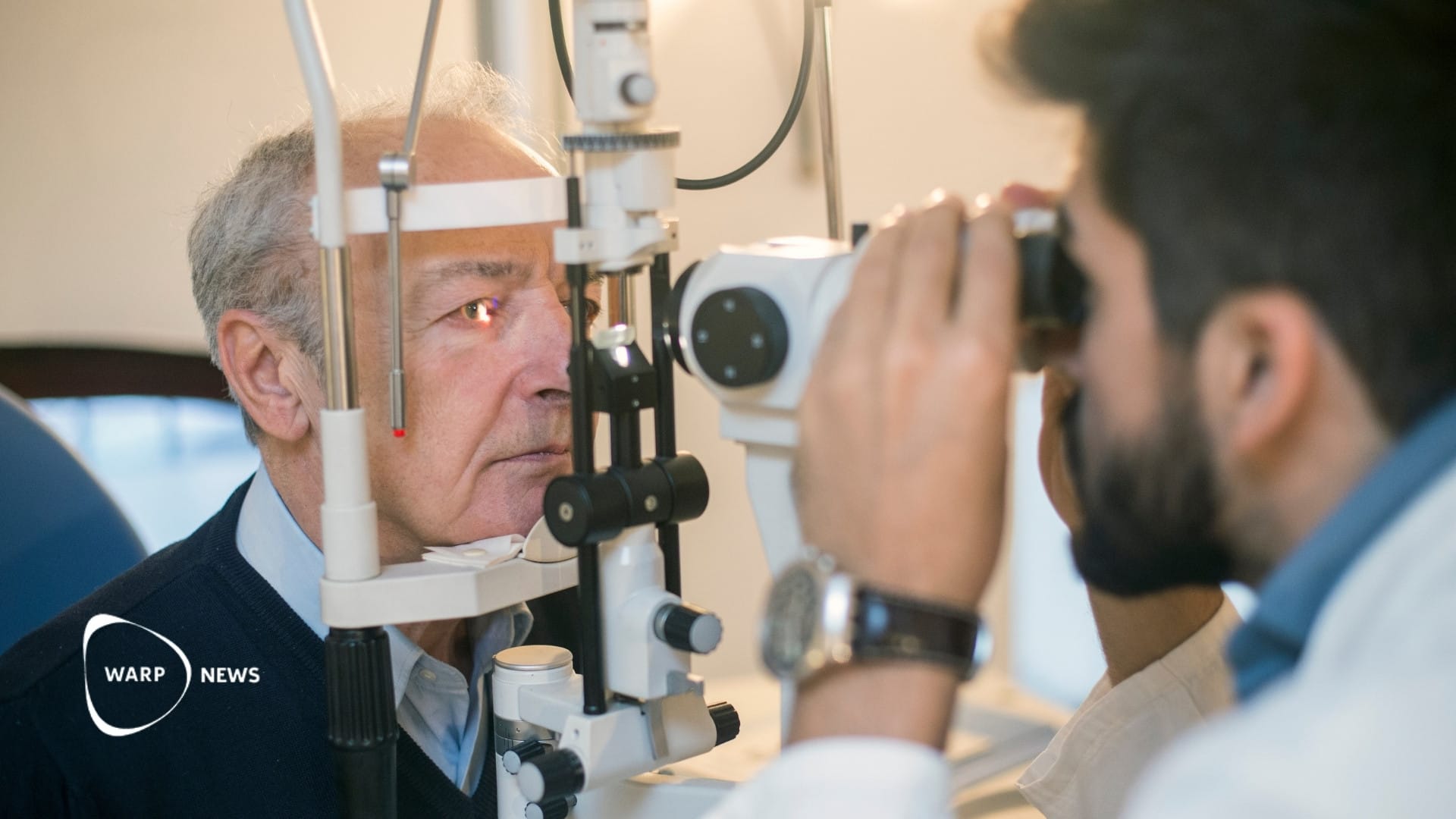
A 2-millimeter implant under the retina has restored vision in 26 of 32 blind patients. European launch is expected later this year, which would make PRIMA the first brain-computer interface product for vision to reach the market.
Eubiota is an AI agent system that autonomously studies the gut microbiome. By analyzing over 10,000 scientific papers in hours, it screened 1,945 bacterial genes and discovered a DNA repair mechanism that helps gut bacteria survive inflammatory stress.
🌊 The Soviet Union drained the Aral Sea – now it's filling up again. 🍻 GLP-1 drugs like Ozempic reduce risk of substance abuse and addiction. 🦾 Humanoid robots get AI brain and are put to work in car factories.