
🧠 Artificial Intelligence
Artificial intelligence (AI) helps doctors make better diagnoses, scientists create new materials, farmers grow crops more effectively and all of us driving cars - and millions of other applications. This topic also covers subsets of AI such as machine learning (ML), deep learning and neural networks.
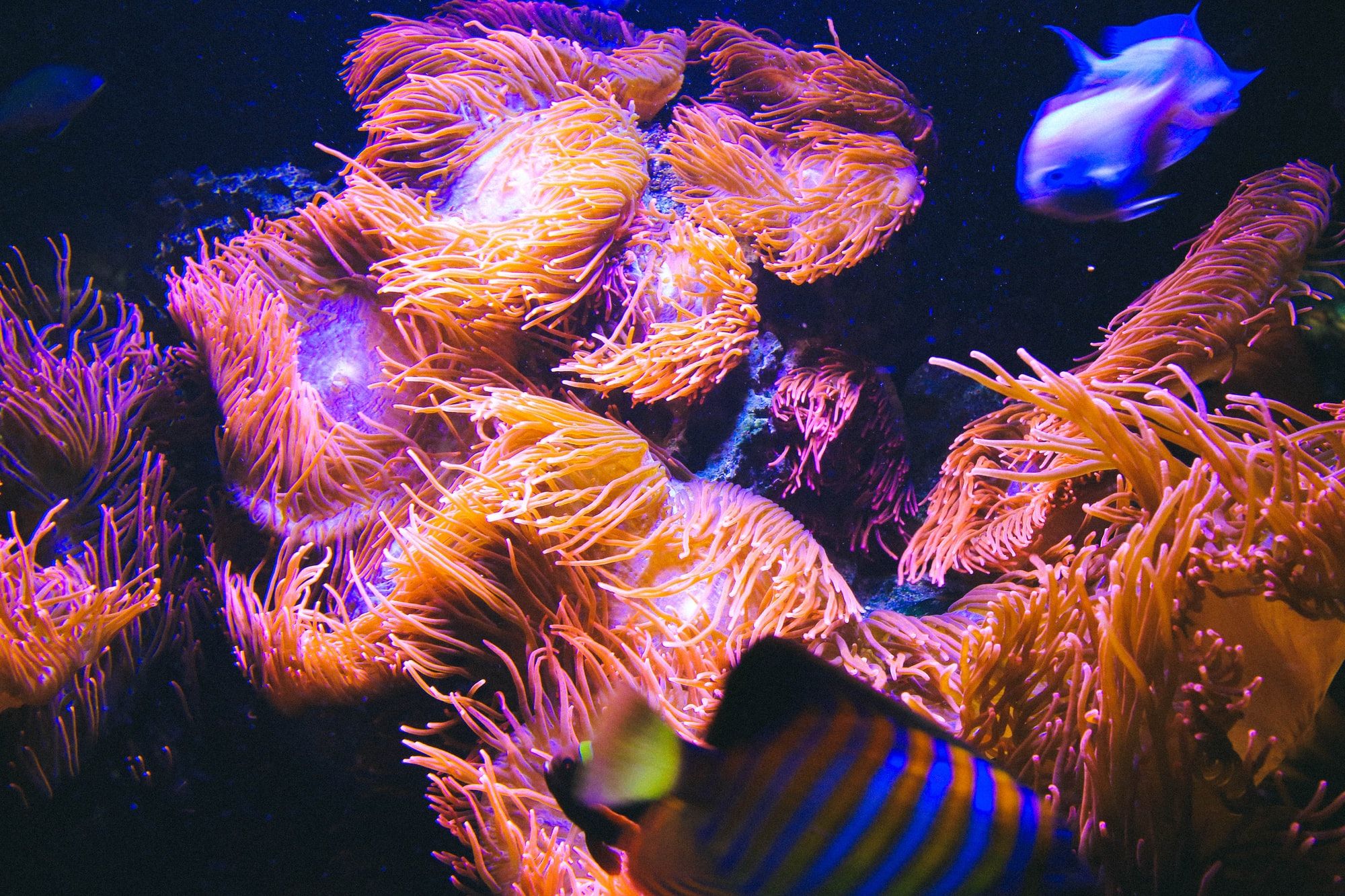
🪸 AI is used to save coral reefs
A group of islanders in the South Pacific is using AI to save coral reefs.
🧠 In just 20 years artificial intelligence could dramatically reshape our world
The imagination of Kai-Fu Lee, former president of Google China, takes us into a futuristic world made up of virtual teachers, augmented cities, increased longevity, immersive virtual worlds, as well as vital new issues to address.
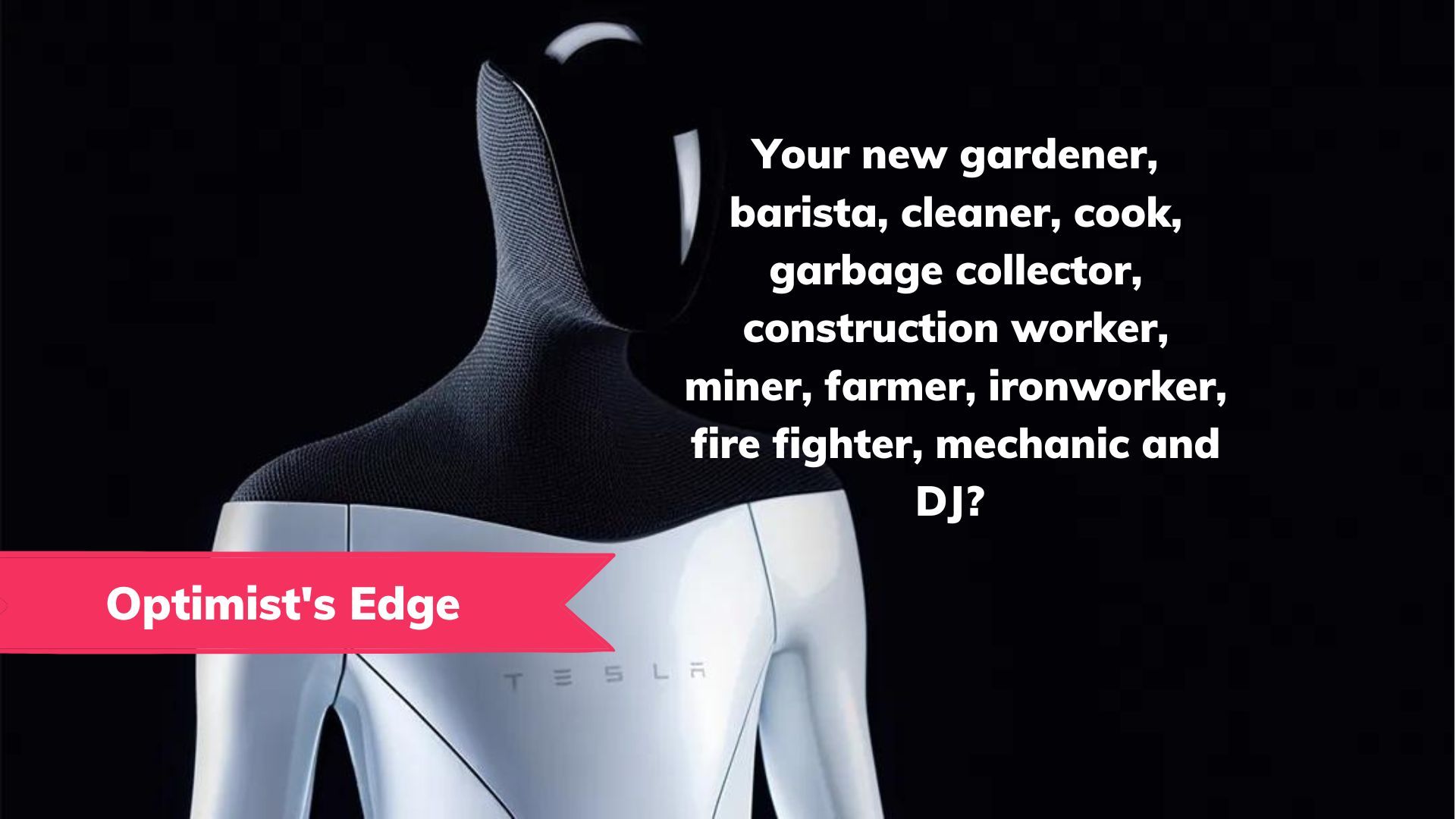
💡 Optimist’s Edge: Will the Tesla Bot replace all physical human labor?
Robots that understand and can interact with the surrounding environment will be able to replace all physical human labor, which will lead to a dramatic expansion of the world economy.

🪸 AI reveals "singing" coral reefs
A team of researchers from University of Exeter is creating an algorithm that tracks the health of coral reefs by understanding their “song”.
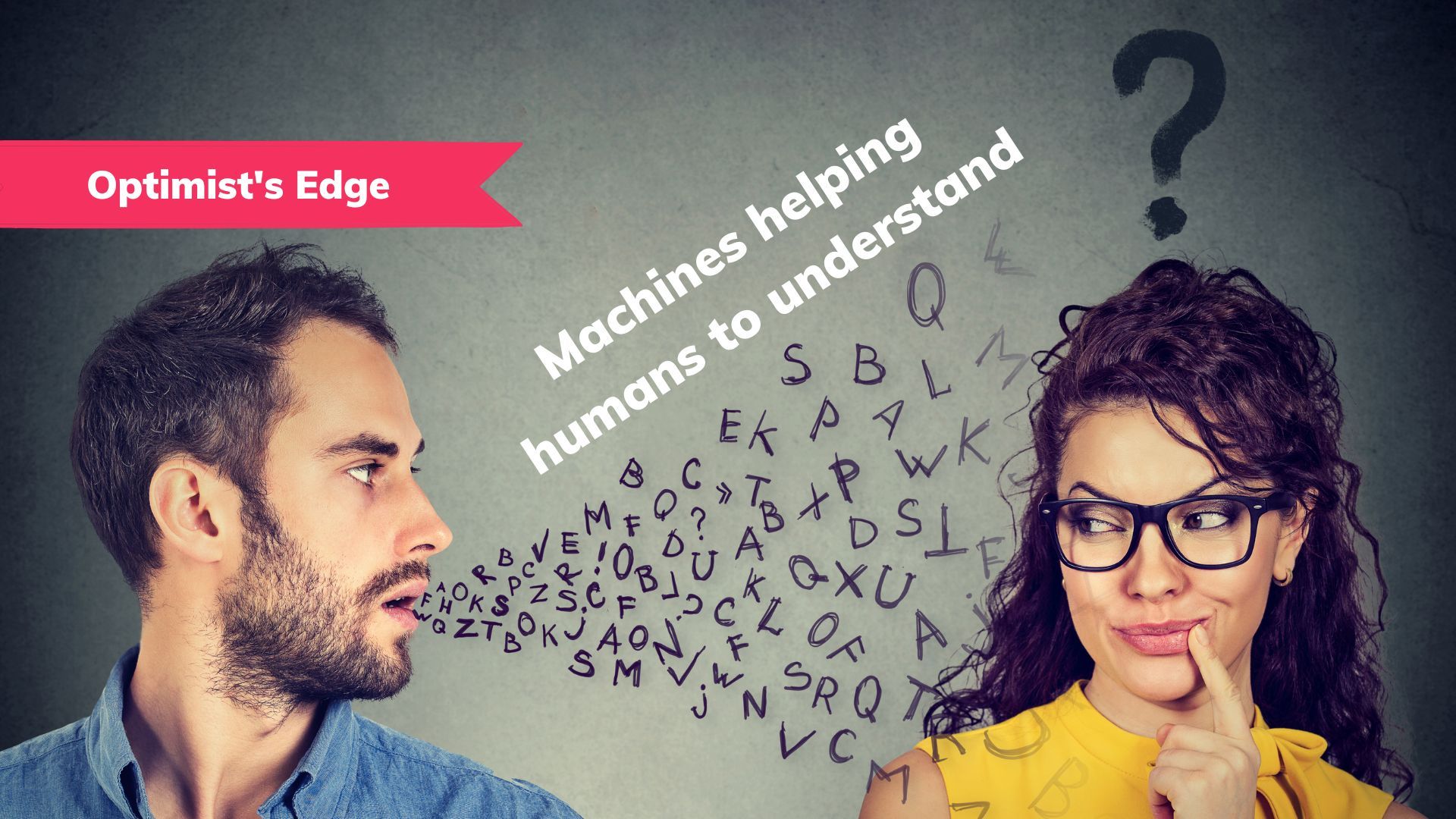
💡 Optimist’s Edge: No language barrier
Humanity has been working on machine translation for hundreds of years, but in the last ten years, progress has been exponential. We are close to a world with perfect machine translations of texts, removing a big language barrier for the world.
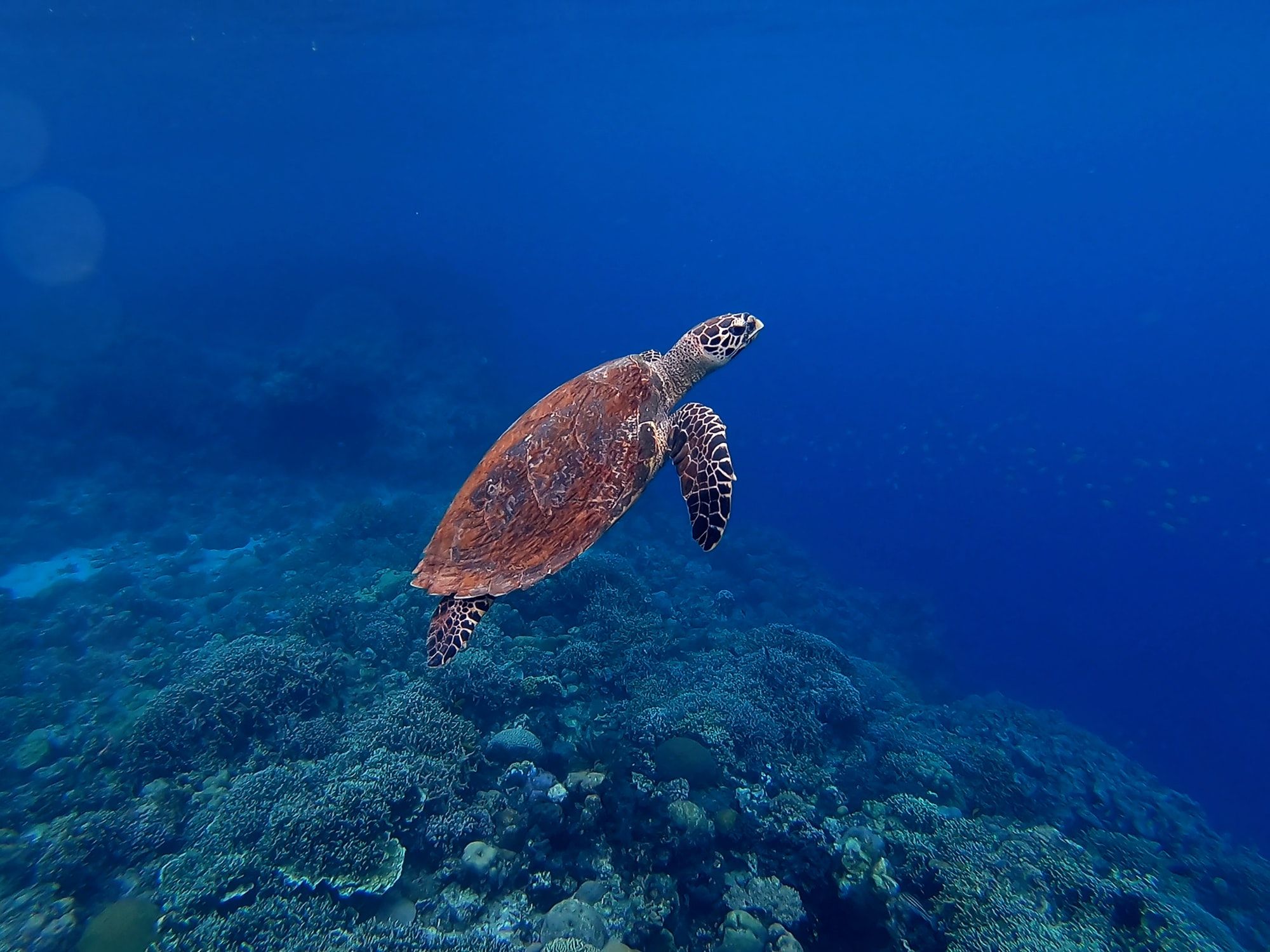
🐢 App prevents illegal trade with sea turtles
In order to help the hawksbill sea turtle, scientists have created an app called SEE Shell which uses AI to tell if a piece of “tortoiseshell” is real or not.
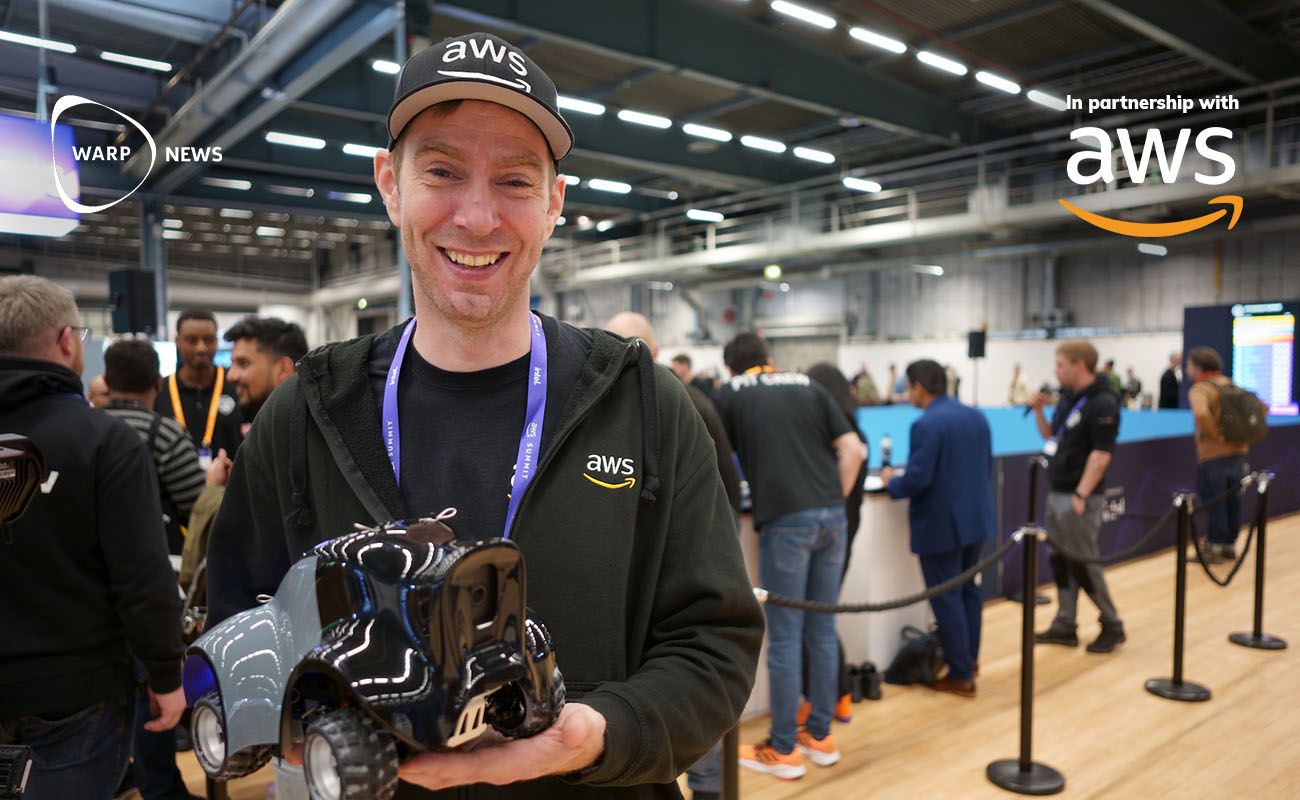
🏁 The race that gets more people into machine learning
There is great hype around machine learning, but many also see it as abstract and difficult. Here is the race that wants to change that.

🤰 AI able to prevent miscarriage
An AI can perform lightning-fast analyzes of ultrasound images to provide physicians with information about complications that could lead to miscarriage or complications.
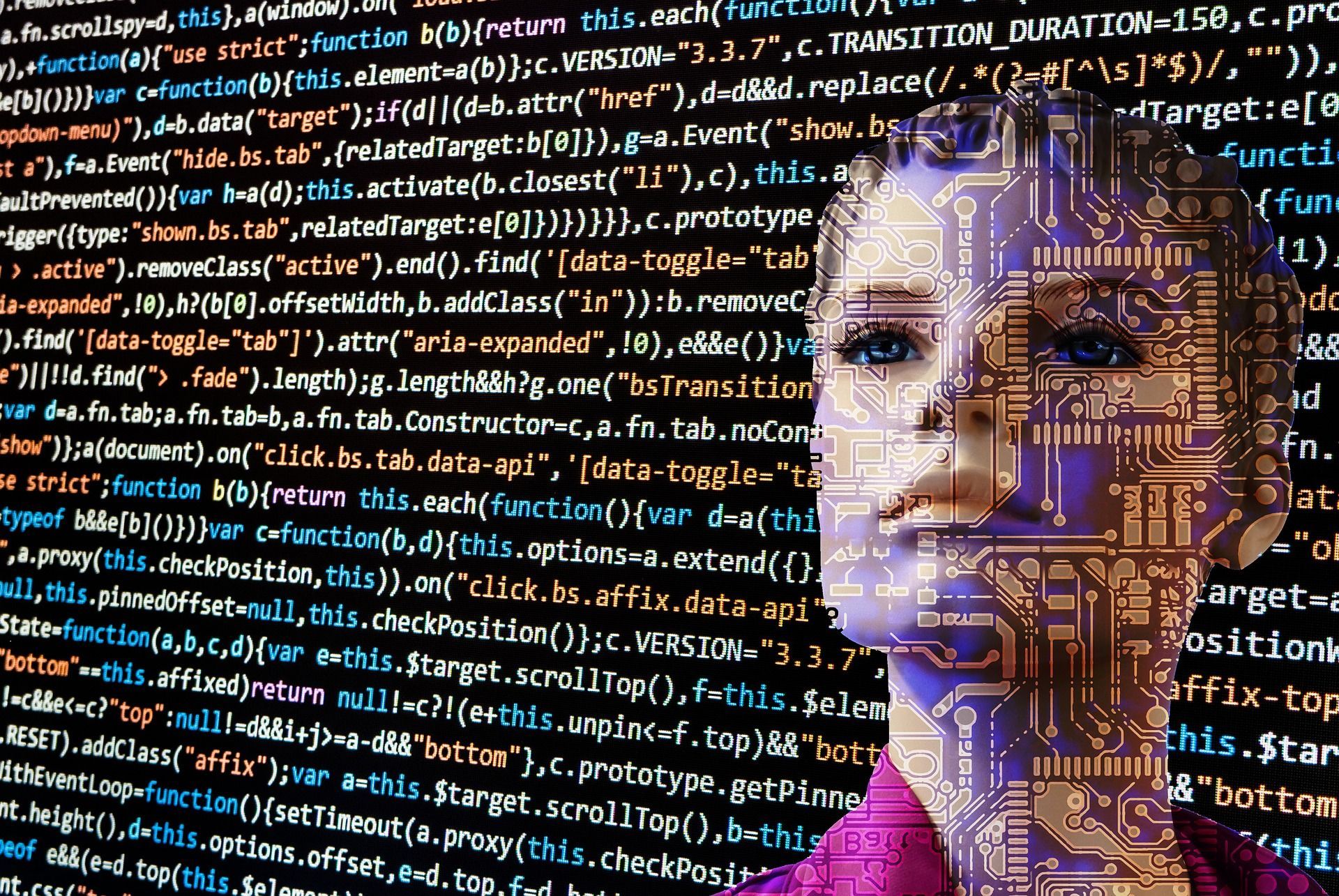
📜 Deep Minds AI helps us read ancient texts
An AI can guess which words have disappeared in ancient texts and also indicate where and when the text was written.