

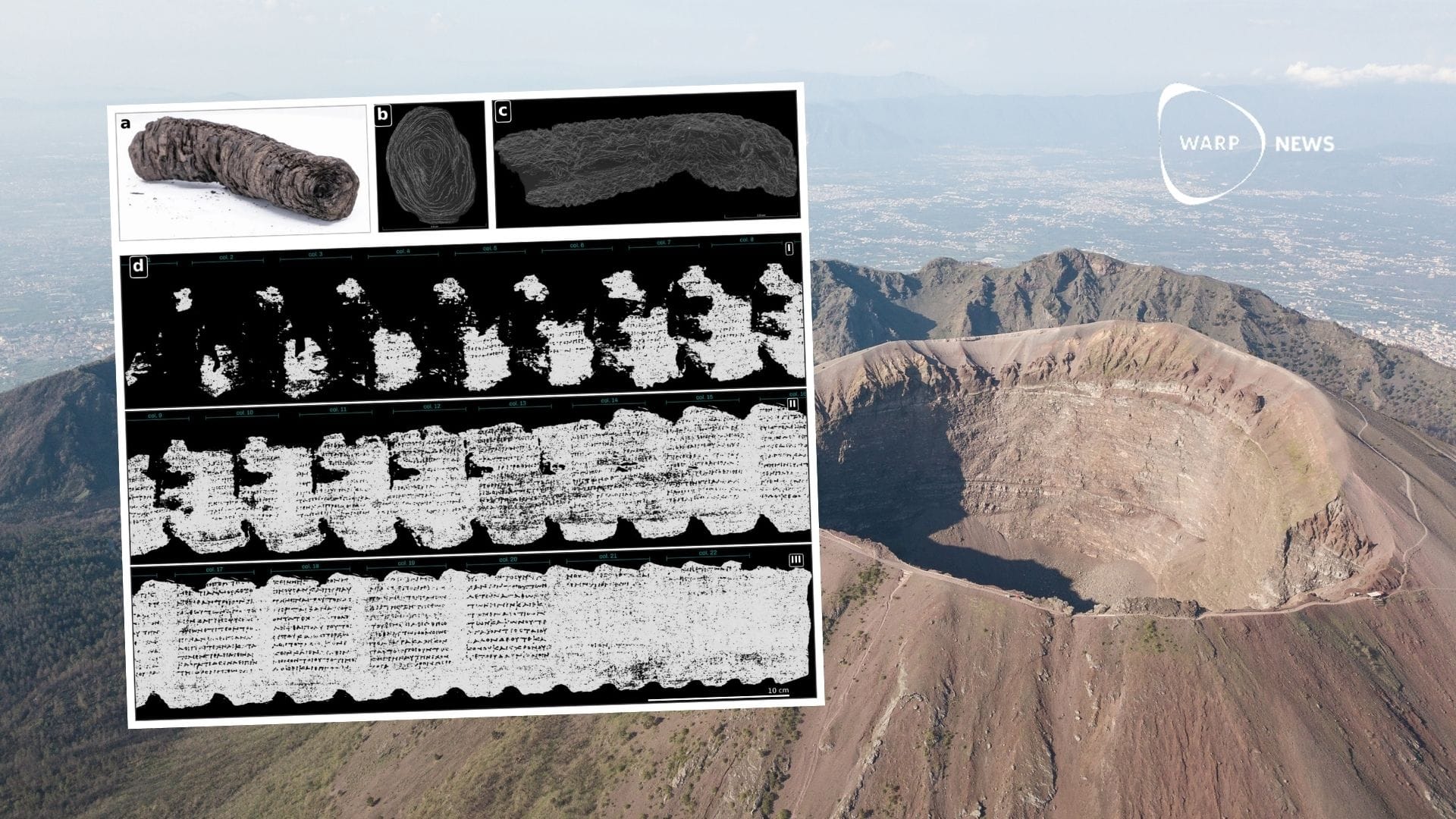
📜 Text charred in the Vesuvius eruption of 79 AD, read in full 2,000 years later
Researchers have read a complete scroll from Herculaneum. The scrolls were carbonised by the heat and are so fragile they cannot be physically unrolled without being destroyed. Instead, high-resolution scans and computational techniques are used to virtually unwrap the scrolls.

🧬 The bluebuck went extinct in 1799, now it is being de-extincted
The bluebuck was the first large African mammal driven to extinction by humans in modern times. The company Colossal Biosciences is now working to bring the species back using genetic technology. The work is building methods that can also help other threatened antelope species.

🚧 Researchers build material atom by atom, long considered impossible
Researchers have placed individual carbon units at exact locations on a silicon surface and built structures atom by atom, something dismissed for decades as unworkable. In most attempts the carbon landed correctly, with an accuracy of up to 97 percent.
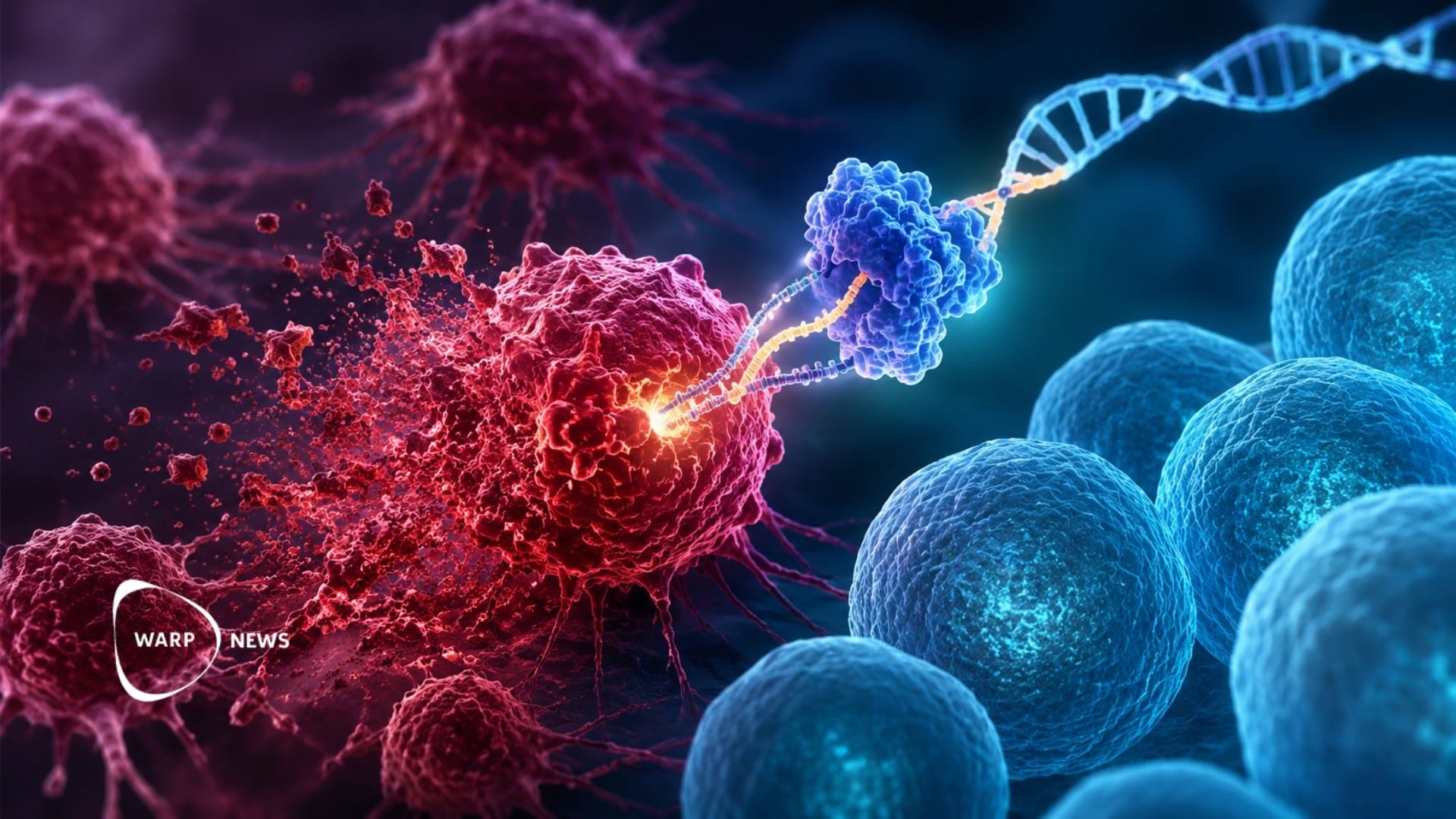
✂️ New CRISPR method seeks out and destroys cancer cells
In lab tests the method destroyed the mutated cells but left healthy cells almost entirely unharmed, even though they differed by just a single building block in their DNA. The technique is programmable, which means a new mutation only requires researchers to create a new guide RNA.

🛫 Autonomous system designed to fly itself from takeoff to touchdown
Merlin's autonomous flight system is built to handle the entire flight, from takeoff to touchdown, and can reduce crew workload. The technology is designed to fly several types of large aircraft, including commercial jets and military transport planes.
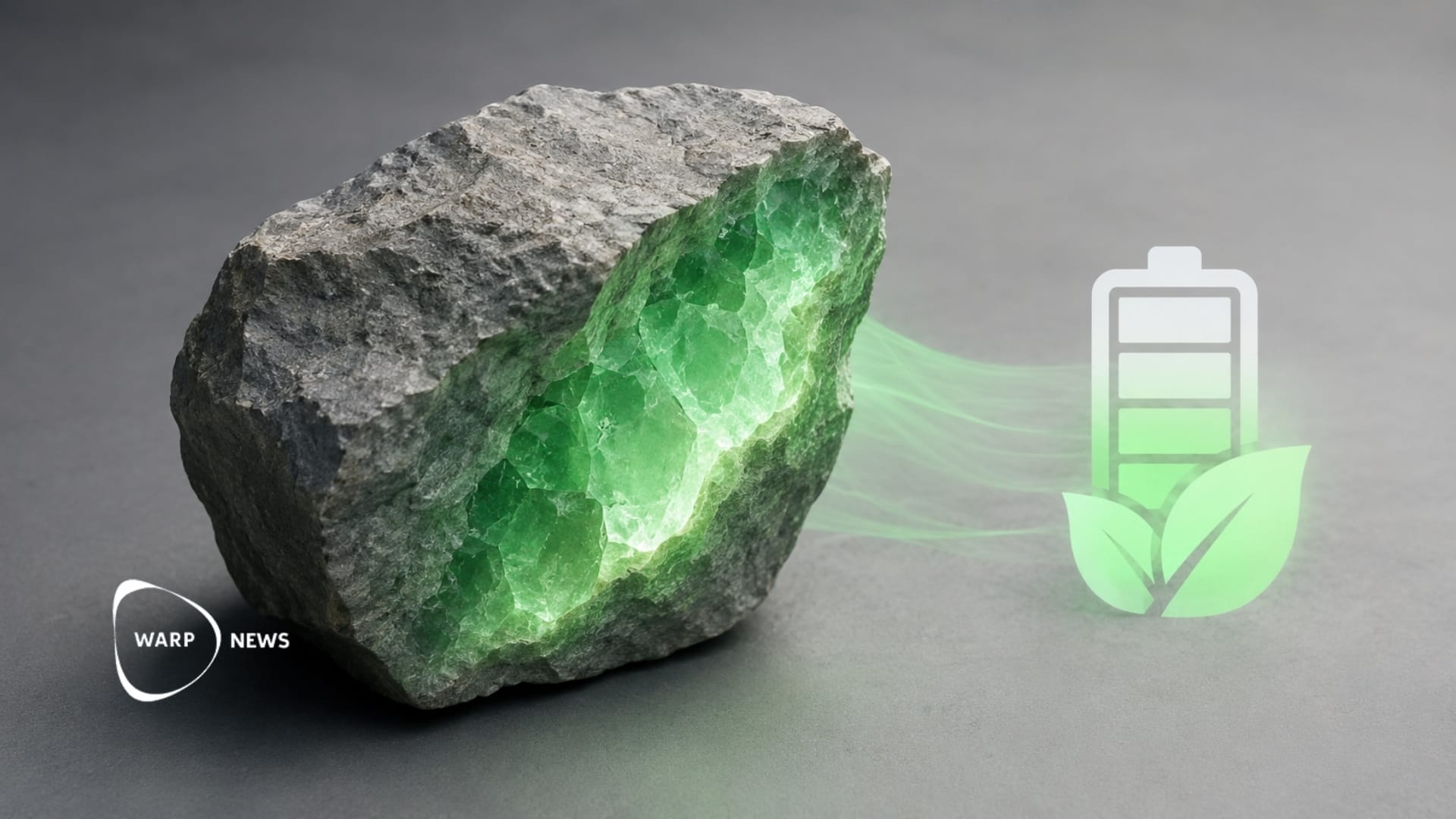
🪨 New method halves the cost of extracting lithium from rock
Researchers at MIT have developed a process that dissolves lithium minerals at room temperature instead of above 1,800 degrees. The method is estimated to cost half as much as today's extraction of lithium from hard rock. The process recycles its own chemicals, bringing waste close to zero.
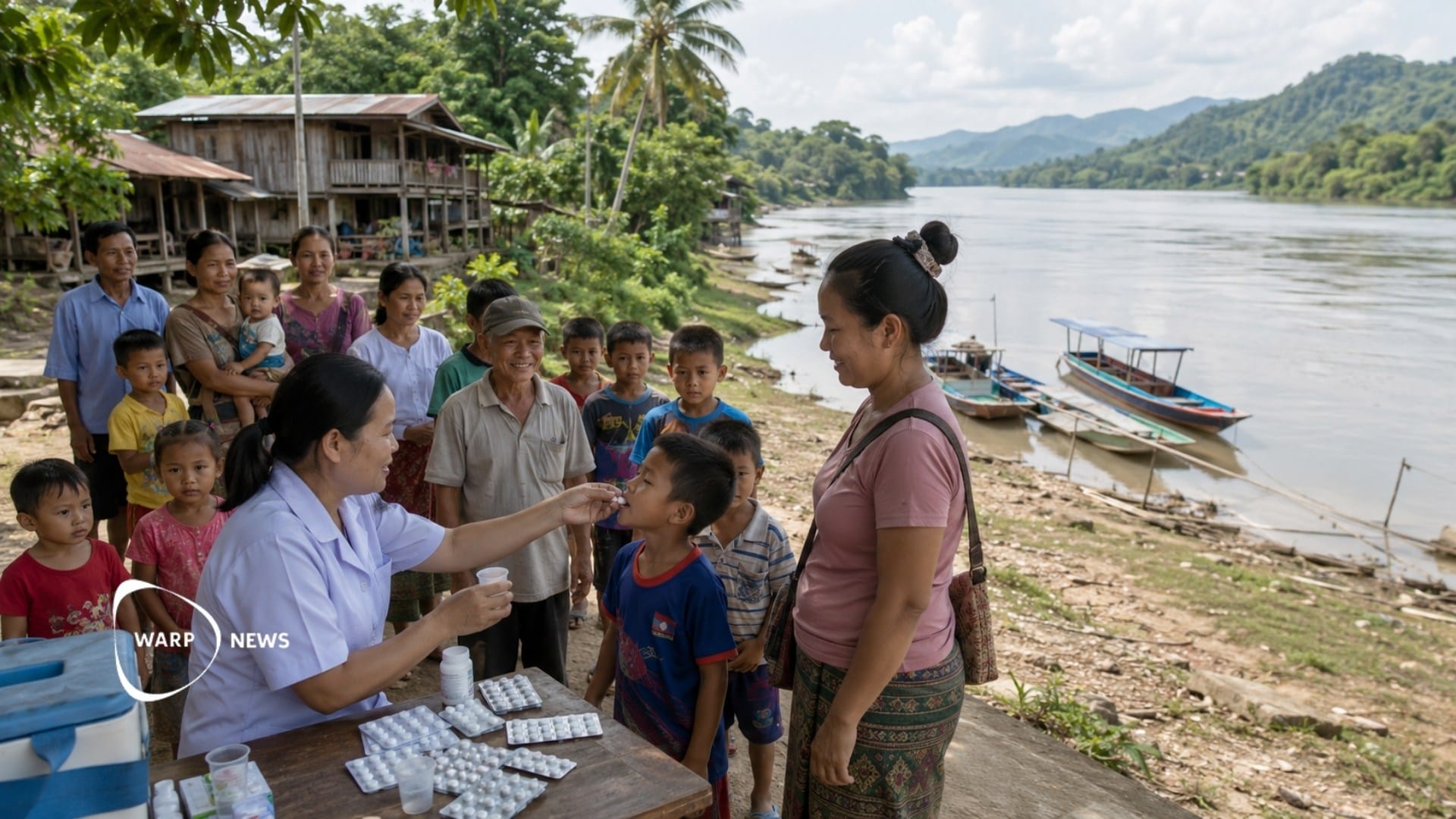
🐚 Laos pushes back parasitic disease to below one percent
In the worst-affected areas of Laos, the share of people infected with the snail-borne parasitic disease schistosomiasis has dropped to below one percent, down from over 40 percent in some areas in 2003.
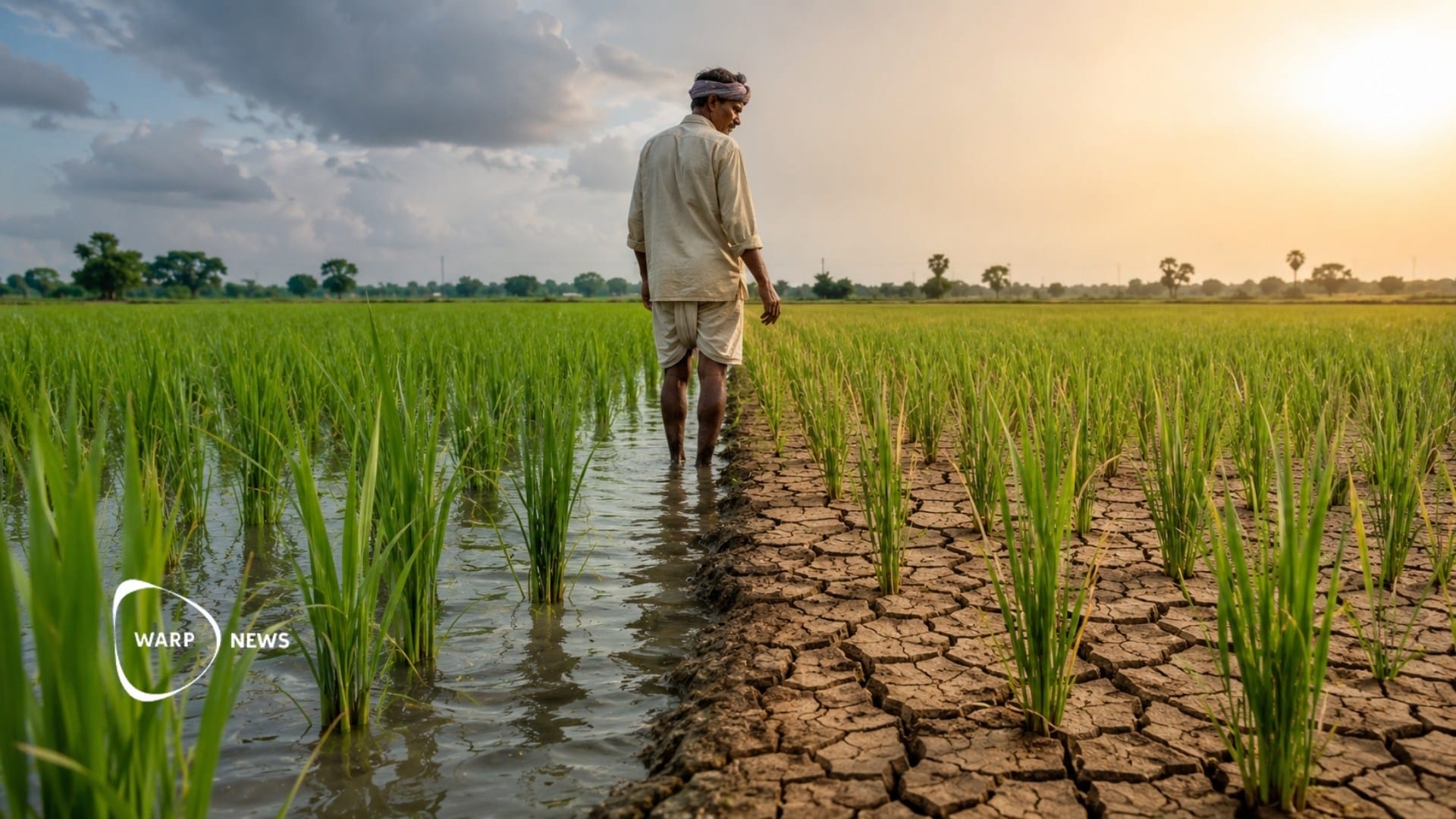
🌾 Indian scientists have bred rice that handles both flood and drought
India has bred two rice varieties for opposite water problems. One yields nearly 50 percent more in flood years with no penalty in normal years. The other yields up to 35 percent more in dry conditions and grows in dry soil, without flooded paddies. The poorest farmers gain the most.
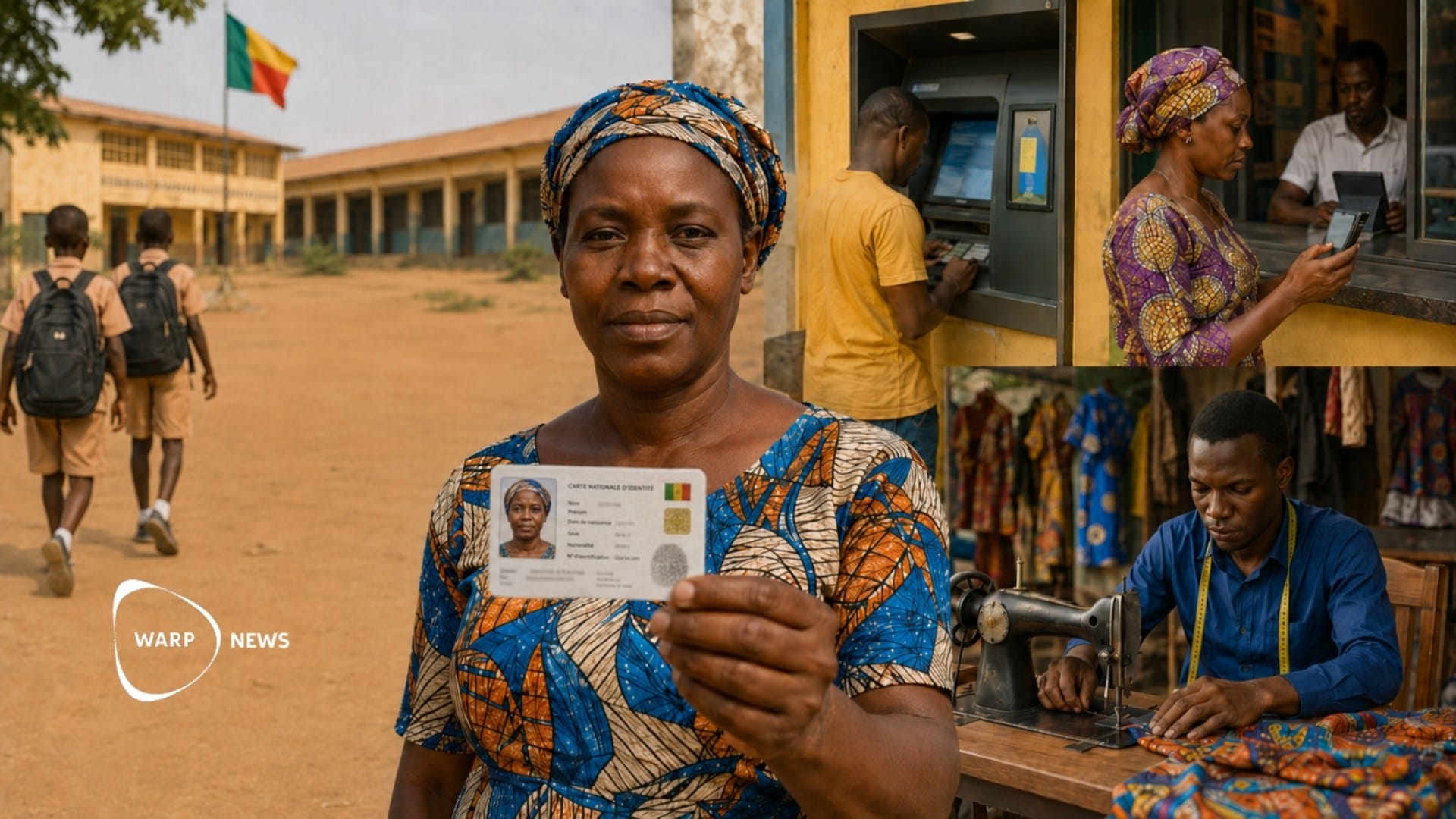
🪪 Millions in Benin now have an official identity, opening access to school and banking
In 2017, about 20% of Benin's population had no official papers. Now, nearly 99% of Benin's population is registered in a biometric ID system. An official identity provides access to school, a bank account, credit, and a business of one's own.