

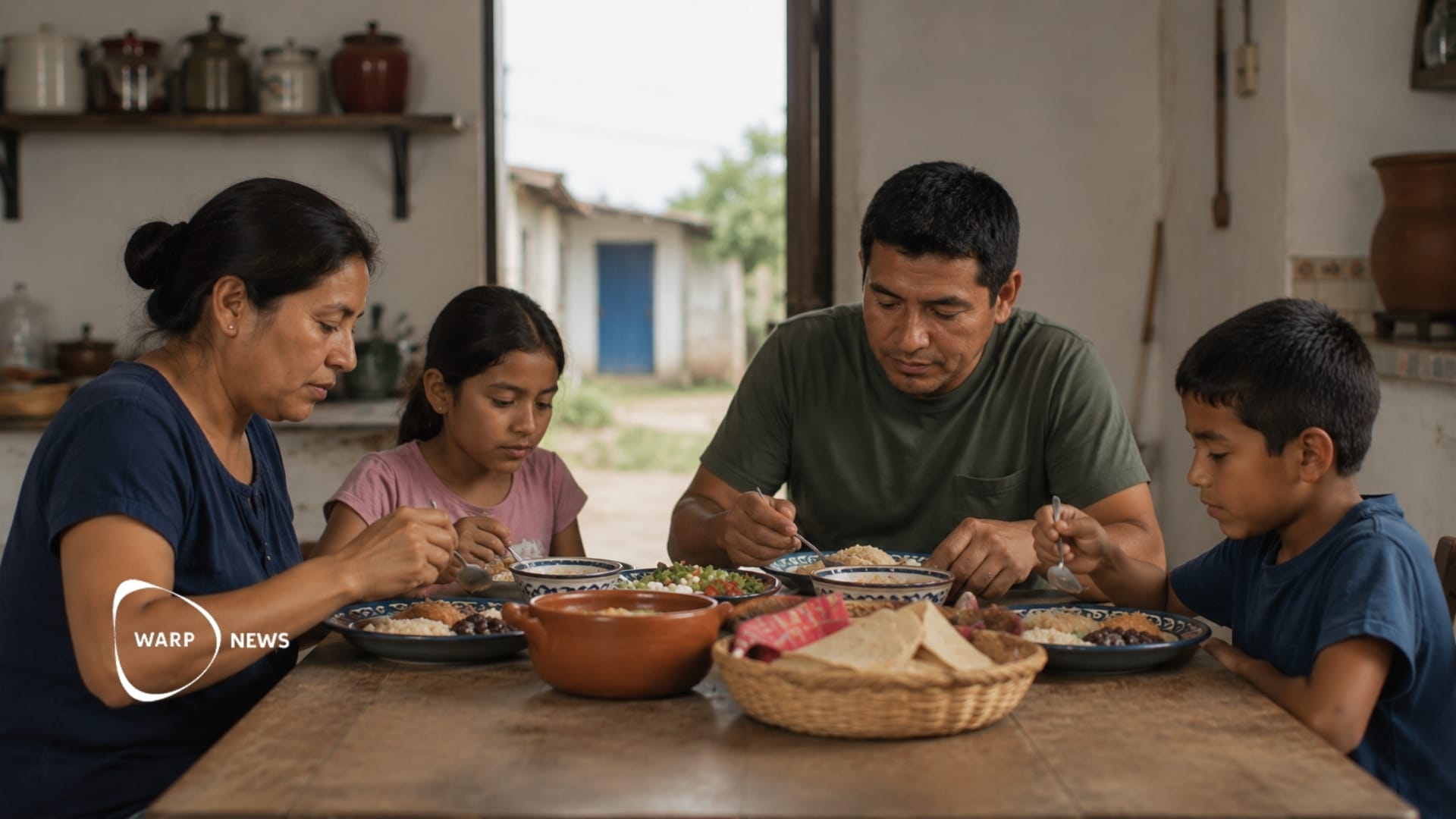
💵 Labor poverty in Mexico falls to 30.7 percent
The share of Mexico's population whose labor income is not enough to cover the food fell to 30.7 percent in the first quarter of 2026. The decline was 3.2 percentage points compared with the same period in 2025. The drop is seen both in rural areas and in cities.

🏍️ Electric motorcycles accelerate in Africa
Industry leader Spiro has delivered more than 100,000 electric motorcycles and built over 2,500 battery swapping stations. In Kenya, electric motorcycles now account for at least 16 percent of all motorcycle sales.

📉 Child marriage and intimate partner violence continue to decline in India
The share of girls married off as children has fallen to 20.1 percent. The share of women subjected to violence by their partner has dropped to 22.3 percent. Intimate partner violence has decreased by nearly seven percentage points since the previous survey.

🔬 Most of what's inside the cell is invisible, a new laser method could change that
Today's cryo-electron microscopes reveal only about 10% of human proteins, and less than 1% inside living cells. A new technique sharply improves image contrast using a laser 100 million times brighter than the Sun's surface. Researchers estimate over 50% of the cell's proteins could become visible.

🛰️ A satellite read its own images, could keep watch on Earth in real time
A satellite identified what it was looking for on its own, without analysts on the ground. It was the first time an AI that both understands language and reads images was used in space. The technology can reduce the amount of raw data that analysts have to sift through today.
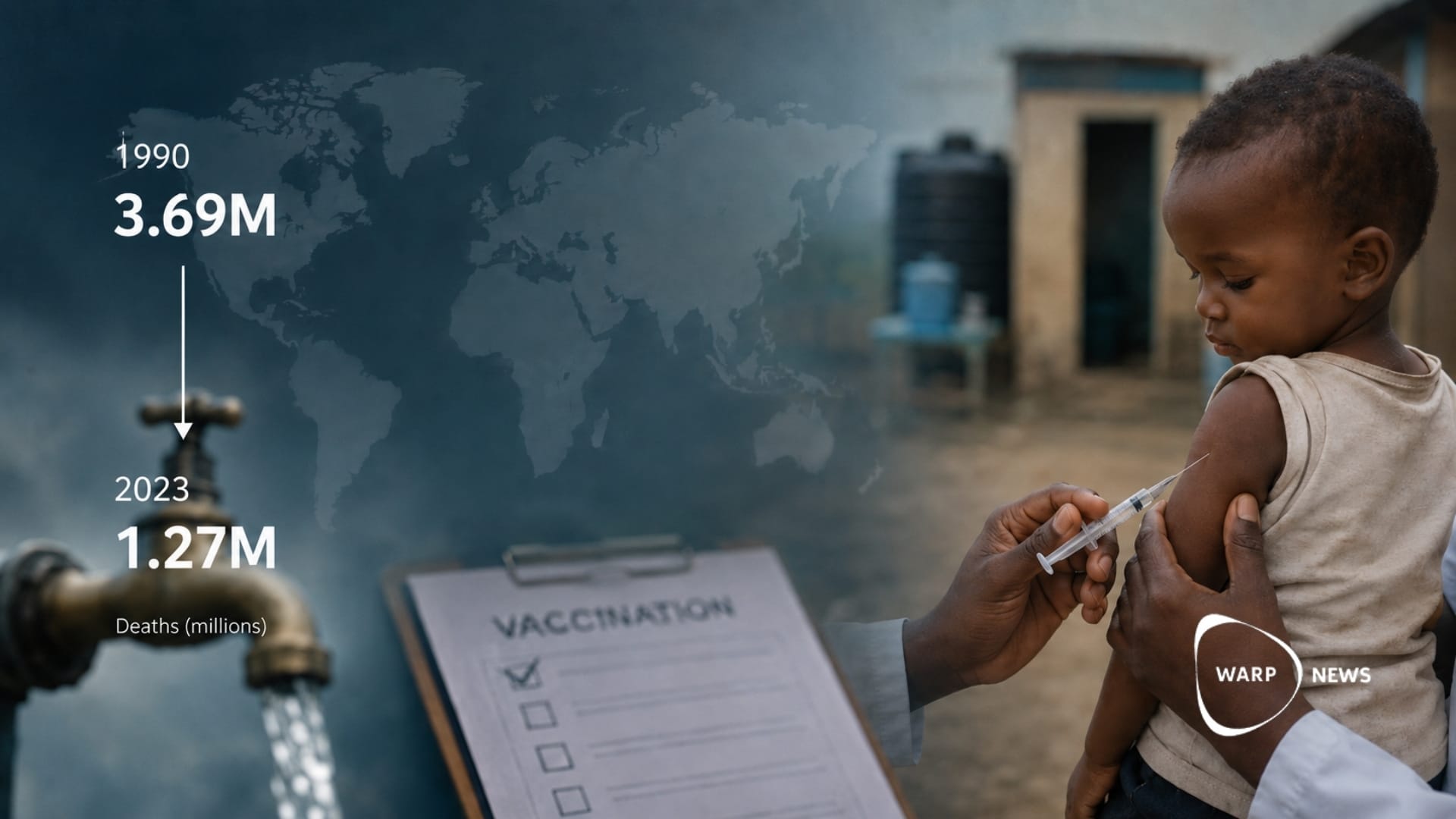
📉 Deaths from intestinal infections have fallen by two-thirds since 1990, from 3.7 to 1.3 million
The rotavirus vaccine, introduced globally in 2006, is up to 98 percent effective against severe illness in infants in high-income countries. The share of deaths affecting children under five fell from 53 percent in 1990 to 30 percent in 2023.

🤑 New research: Freer economies grew without harming the environment
A study of 49 economic liberalizations shows that GDP per person rose 16 percent within ten years. Total greenhouse gas emissions did not increase, and deaths from air pollution declined. After the year 2000, emissions fell both per person and per dollar of economic output.

🌊 Chad's capital weathered record water levels without major damage
N'Djamena sits where the Chari and Logone rivers meet, leaving it highly exposed to flooding. During the 2024 rainy season the city protected 1.5 million residents even as rivers hit record levels, after clearing 217 miles of drainage and deploying 12 mobile pumps.
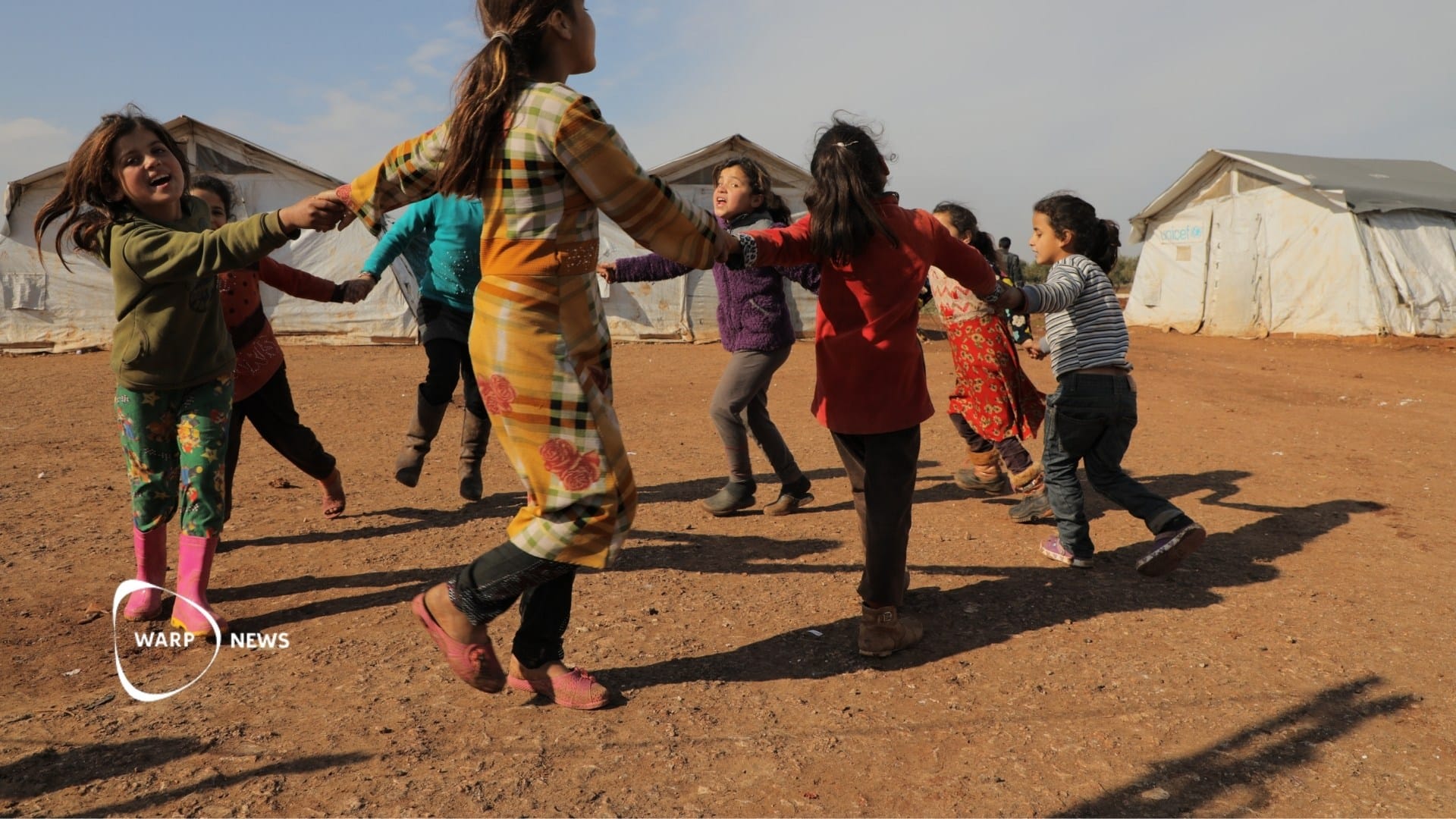
🇺🇳 The number of refugees in the world fell last year for the first time in a decade
The global number of refugees dropped by 3 percent during 2025 to 41.6 million. A total of 14.7 million displaced people returned to their home or origin areas during the year. Nearly 46,000 stateless people gained citizenship across 24 countries.