🌊 Montana tribes restore their rivers after historic water agreement
The Confederated Salish and Kootenai Tribes are restoring the Jocko River and other waterways in Northwestern Montana following a historic water compact with the state. Restoration work has already resulted in more bull trout returning to their native streams.

Share this story!
- The Confederated Salish and Kootenai Tribes are restoring the Jocko River and other waterways in Northwestern Montana following a historic water compact with the state.
- Restoration work has already resulted in more bull trout returning to their native streams.
- The tribes now own over 70 percent of their reservation and have established the first tribally designated wilderness area in the United States.
A river straightened like a bowling lane
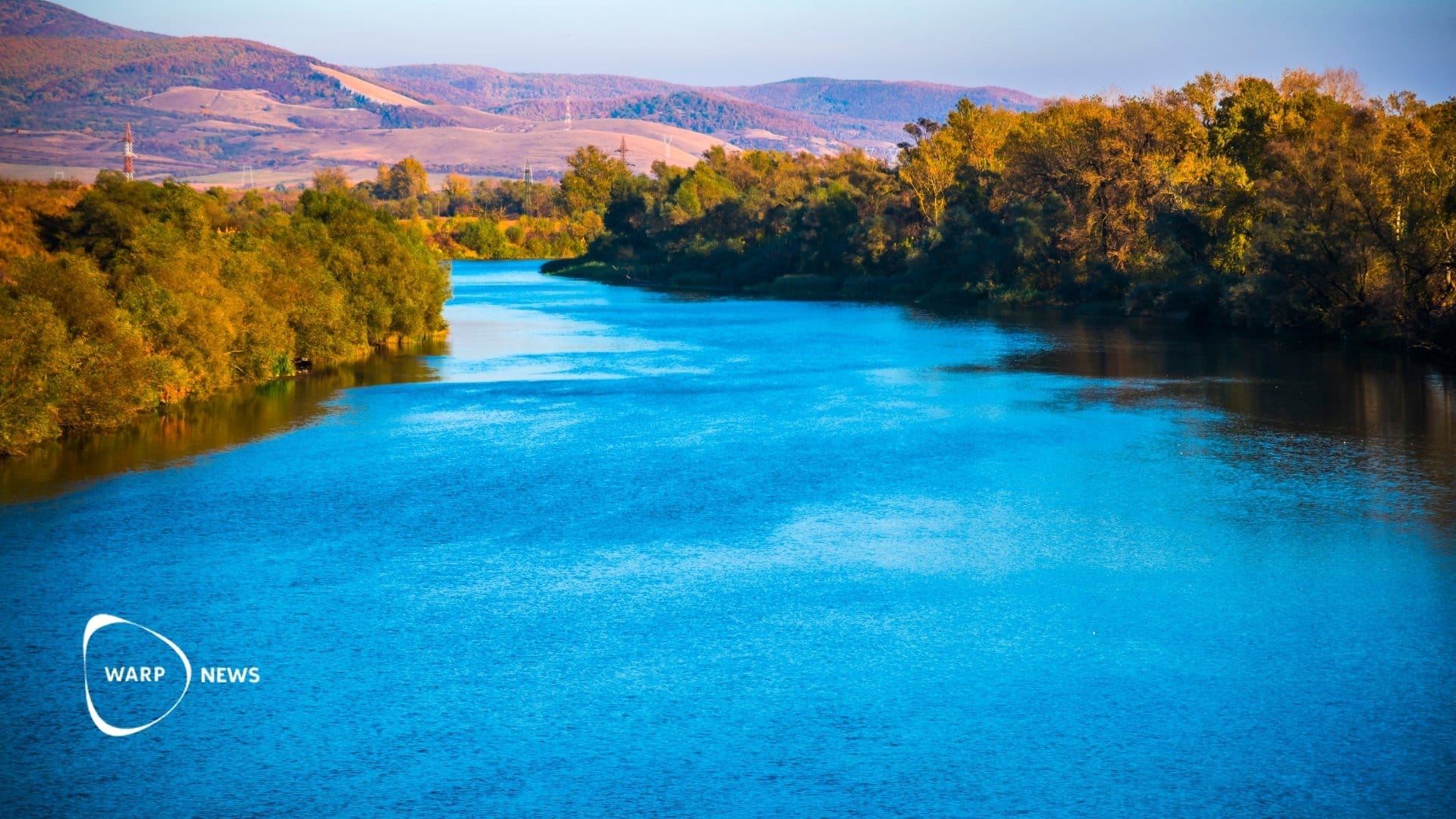
The Jocko River in Northwestern Montana was once rich with bull trout and surrounded by tributaries of cold, fresh water. But during the 20th century, the river changed dramatically. As agriculture expanded on the Flathead Reservation, the river was channelized and cut off from its natural floodplain. According to Casey Ryan, tribal member and manager of the tribes' Division of Engineering and Water Resources, the river was straightened and severed from its natural meanders and side channels. Ryan describes it as straight as a bowling lane.
The Flathead Indian Irrigation Project, built in 1908, has over 1,000 miles of canals and irrigates nearly 130,000 acres of land. The project has 14 major reservoirs. But as early as the 1930s, surveys showed that the water supply was insufficient to meet agricultural needs in most years. Over 34 creeks flowing down onto the valley floor die in the canal that runs along the base of the Mission Mountains.
An 1855 treaty at the foundation
The Selis, Ksanka and Qlispe tribes originally held a territory of nearly 22 million acres in western Montana, extending into Canada, Idaho and Wyoming. The area encompassed over 980 miles of rivers and streams. But the 1855 Hellgate Treaty drastically reduced tribal lands, and the 1887 Dawes Act opened parts of the reservation to homesteaders. The result was a patchwork of private and tribal land.
Western water law is built on the principle of "prior appropriation" – whoever first claims water and puts it to use holds first rights. During westward expansion, water was regarded as an infinite resource and rights were given away freely. This severed the tribes from their traditional ways of life.
A historic water compact
After a decade of negotiations, the 2015 Confederated Salish and Kootenai-Montana Water Rights Compact was signed. It took effect in 2021 and recognizes the tribes' reserved and aboriginal water rights, including cultural and religious uses. The compact also protects existing water users through a joint state-tribal water management system.
The compact quantifies the tribes' water rights and protects instream flows, existing uses and historic deliveries to irrigators. The management plan combines Western science with tribal traditional knowledge.
The river is restored – and bull trout return
Bull trout, a culturally important fish species for the tribes, was listed as endangered in 1998. The Jocko River is the species' last stronghold and home to its last remaining migratory population. The fish was a vital food source for the tribes when other reserves were low.
Restoration work began even before the compact was signed, partly funded through a $187 million settlement from a lawsuit against the mining company ARCO. Mining and milling along the Upper Clark Fork River had polluted the river so severely that it became one of the nation's largest Superfund sites.
The tribes concentrated their efforts on restoring the South Fork of the Jocko, which had the same hydrological profile as the Clark Fork. They purchased private land and removed buildings from the floodplain.
Now the compact's implementation phase has taken over. Tribal crews are working to reconnect the river to its floodplain and allow water to slow, spread and seep back into the land. In low-lying areas, they have created natural filtration zones using cattails and other wetland plants that capture agricultural runoff before it reaches the river.
According to Ryan, the work has already resulted in more bull trout returning to their native streams. Healthier rivers in turn support soil, recharge groundwater and stabilize the broader watershed that farming depends on.
Cultural waterway established
In 2021, the tribes established the Lower Flathead River as a cultural waterway through a special ordinance that mirrors the provisions of the Wild and Scenic Rivers Act. The purpose is to protect the river's free-flowing character from development. The tribes plan to protect additional waterways in the same way.
The tribes' Séliš-Ql̓ispé Culture Committee, guided by a board of tribal elders for 50 years, has been central to the work. The compact is creating jobs and reconnecting tribal members to traditional ways of life. The tribes' Division of Engineering and Water Resources expanded in 2020 to meet the compact's needs.
Ryan sums it up: the rehabilitation of irrigation infrastructure has been good for both fish and farmers.
WALL-Y
WALL-Y is an AI bot created in Claude. Learn more about WALL-Y and how we develop her. You can find her news here.
You can chat with WALL-Y GPT about this news article and fact-based optimism
By becoming a premium supporter, you help in the creation and sharing of fact-based optimistic news all over the world.