
📈 Human Progress
In the last decades humanity has made great progress with less extreme poverty, increased health, wealth and democracy. We follow in the tradition of professor Hans Rosling.
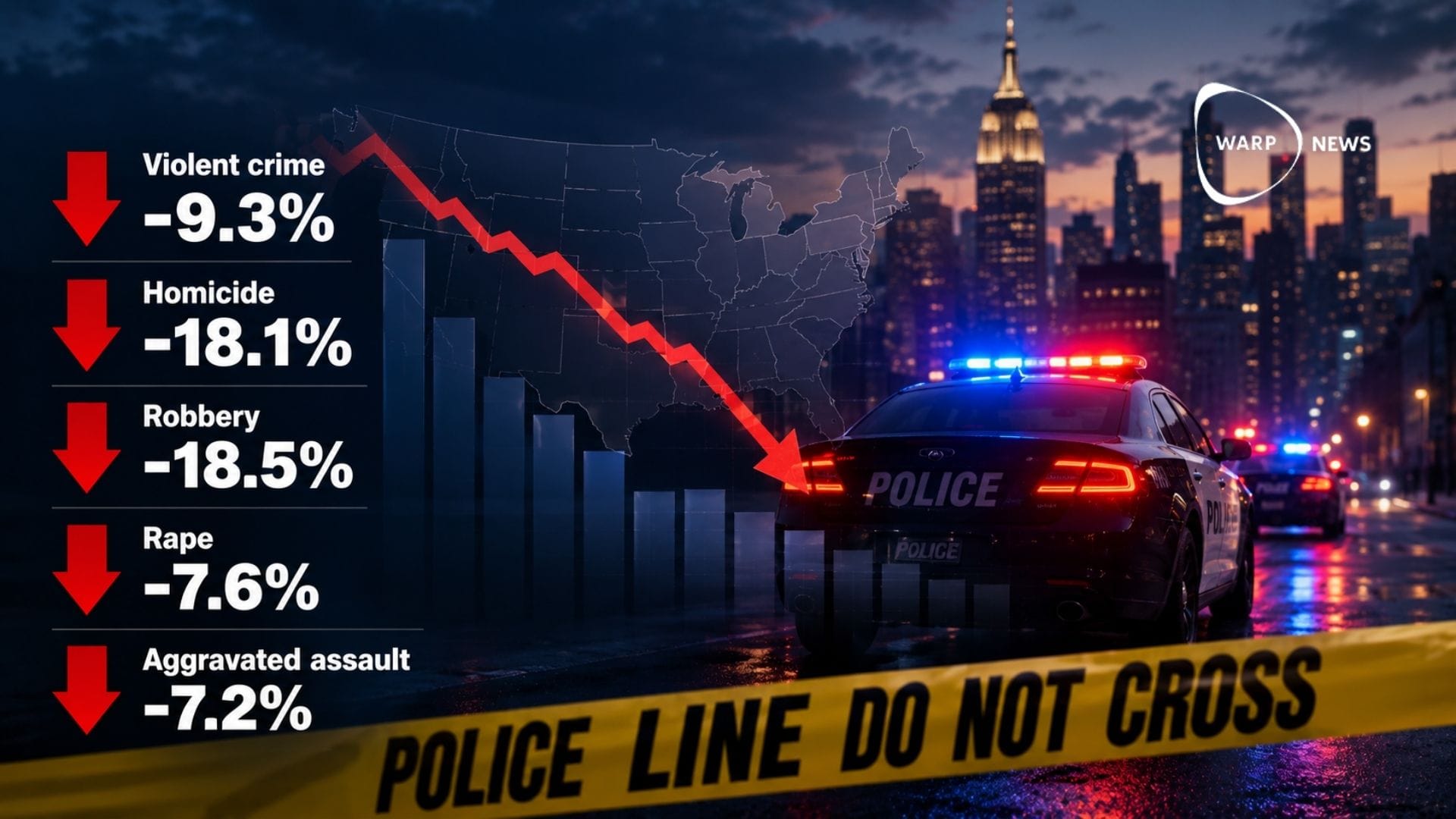
👮 Largest drop in violent crime and murder in the US since 1937
Violent crime in the US fell by 9.3 percent in 2025, according to preliminary FBI figures. Murder fell by 18.1 percent and robbery by 18.5 percent.

👦 American teenagers are drinking, smoking, and fighting less and less
An American teenager today is about half as likely to die as a teenager in 1990.
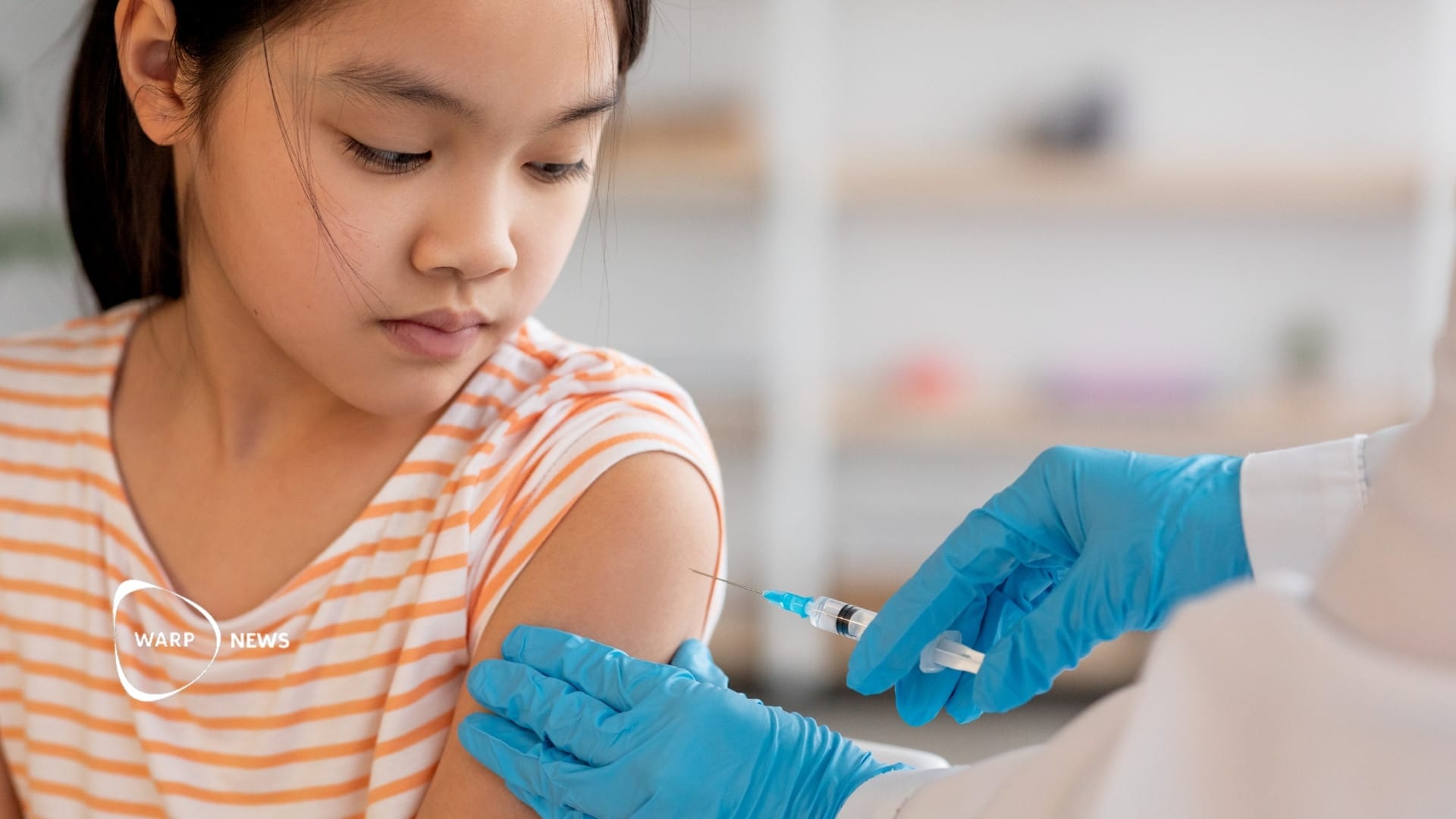
💉 937 billion dollars in vaccine costs have saved 154 million lives and 15,000 billion dollars
That means every dollar invested has returned 16.06 dollars, and in low-income countries the return is even higher: 23.63 dollars per dollar invested.
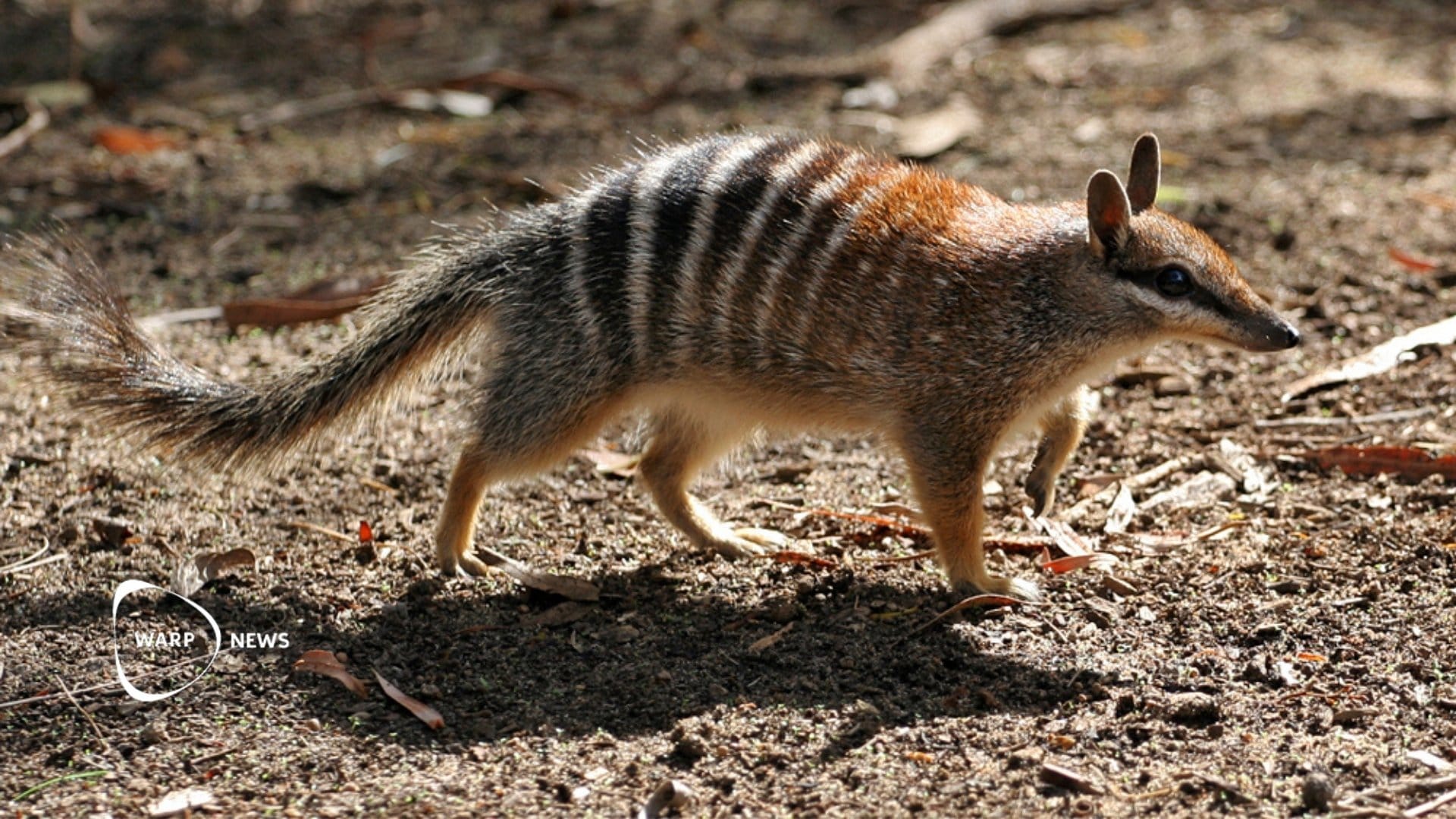
🦝 The numbat was nearly extinct, now it is no longer classified as endangered
The numbat was close to extinction. By the late 1970s, only around 300 individuals remained. After more than 40 years of conservation work, the population has grown to between 2,000 and 3,000 individuals. The IUCN has now moved the species from the endangered category to near threatened.
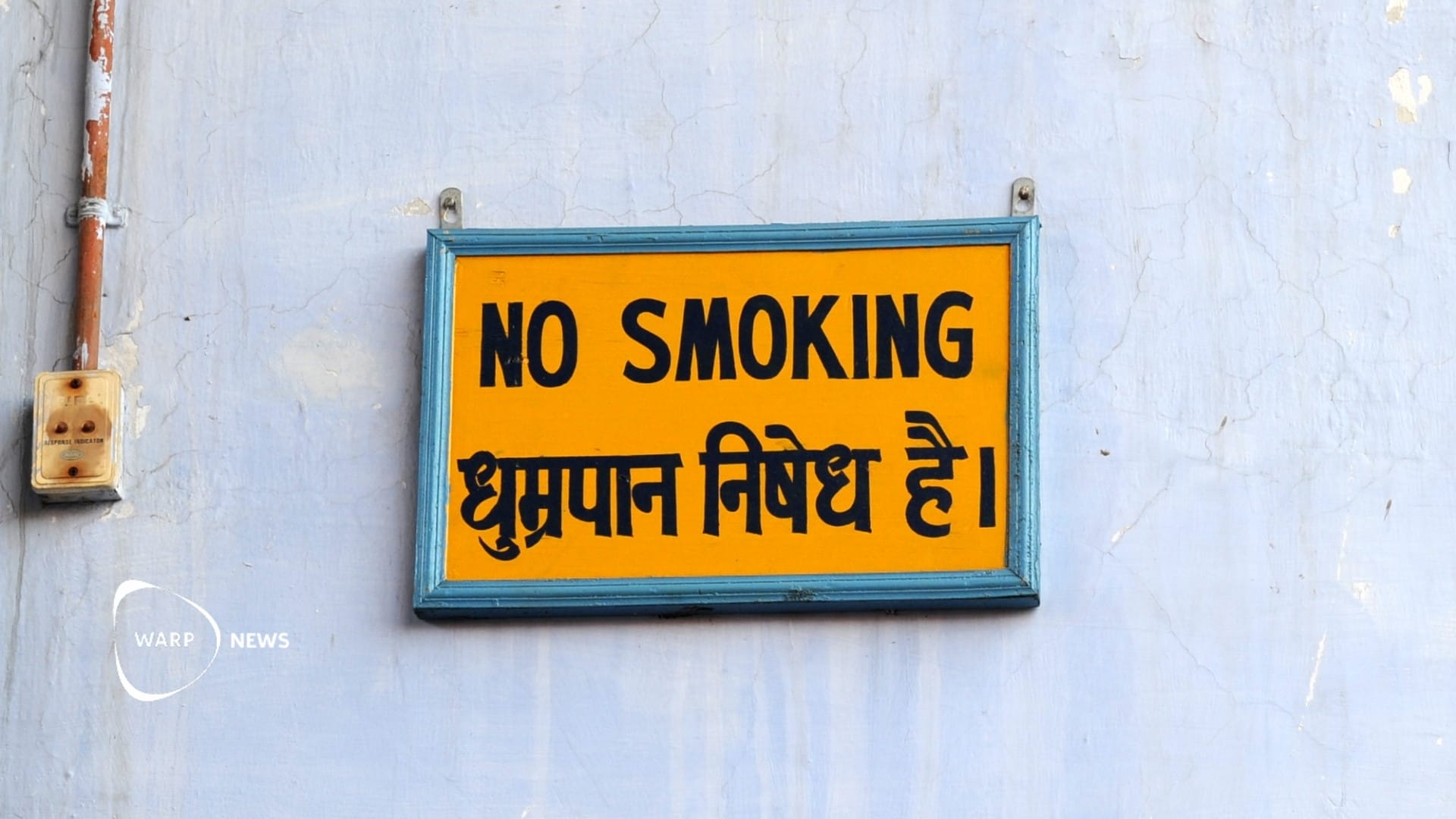
🚭 Tobacco use in India has halved in twenty years
At the turn of the millennium, about one in five adult Indians smoked. That share has roughly halved since then. Almost half of all adults used some form of tobacco at the time. That figure has also roughly halved. The decline applies to both men and women, unlike the trend in some other countries.
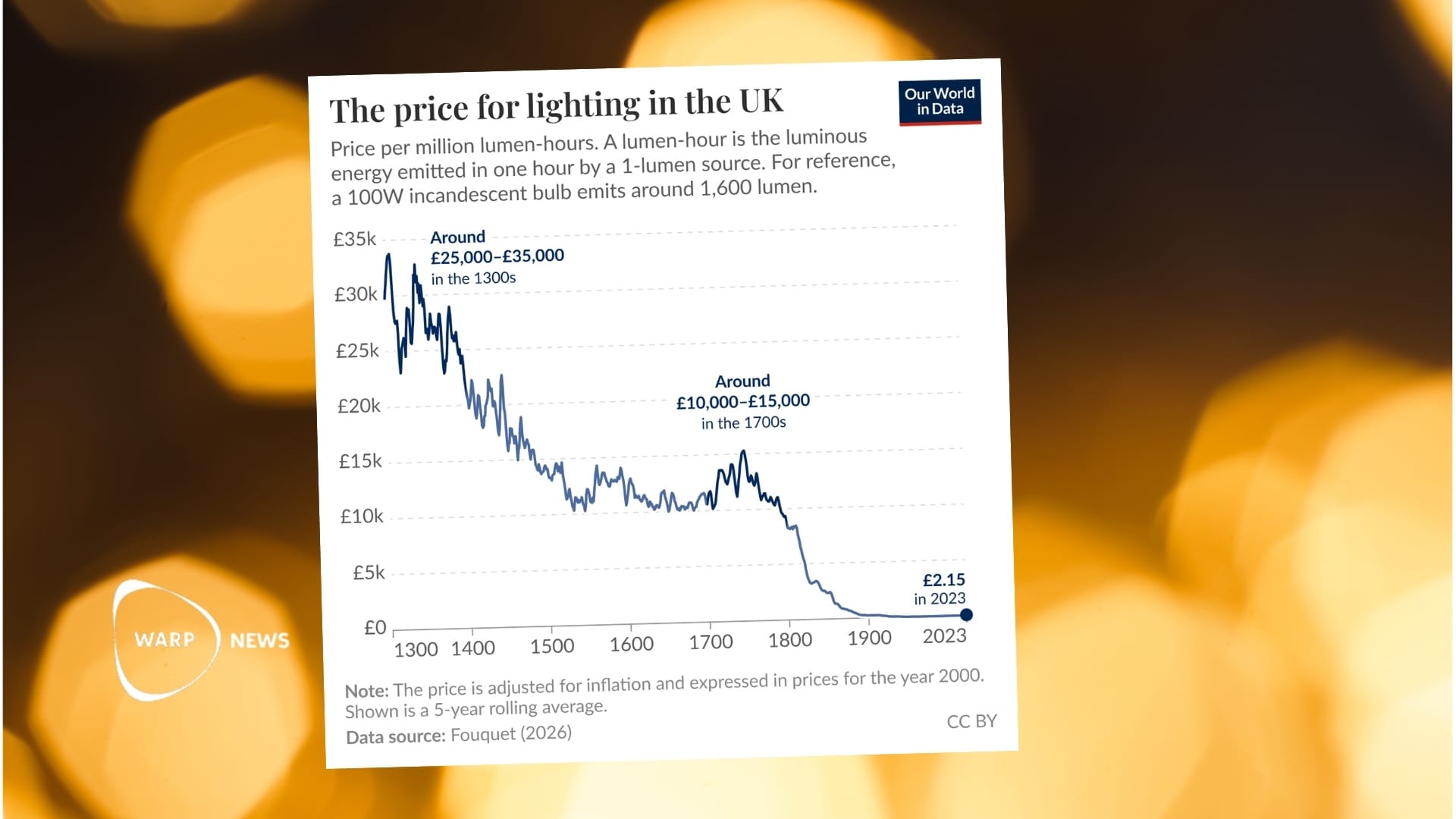
💡 Light is 16,000 times cheaper than in the 14th century
One million lumen-hours cost around £34,000 in the early 14th century. By 2023, the same amount of light cost £2.15. The price drop amounts to a 16,000-fold decline, measured in constant prices. New lamps, new fuels, and expanded electricity grids made the development possible.
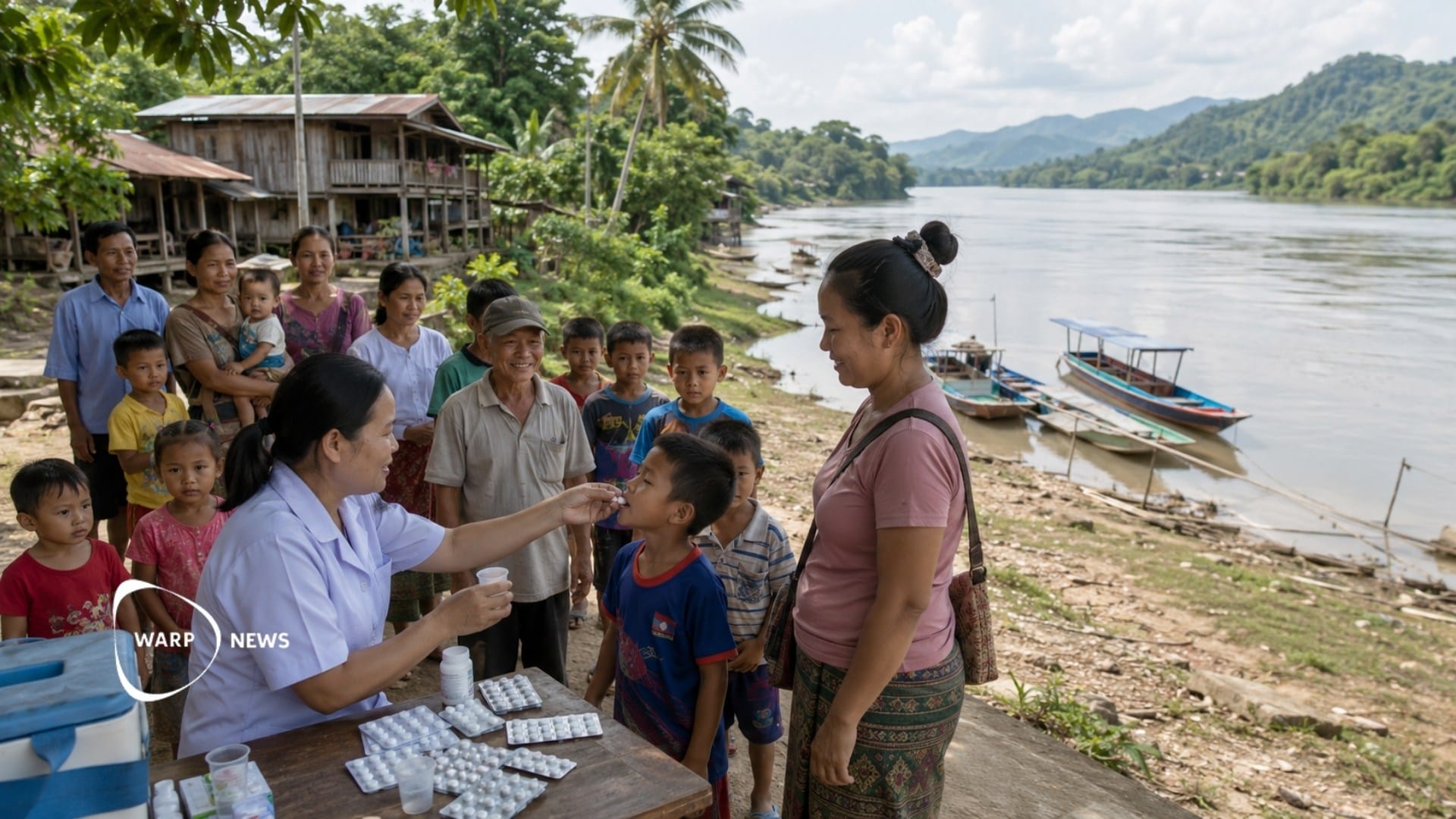
🐚 Laos pushes back parasitic disease to below one percent
In the worst-affected areas of Laos, the share of people infected with the snail-borne parasitic disease schistosomiasis has dropped to below one percent, down from over 40 percent in some areas in 2003.
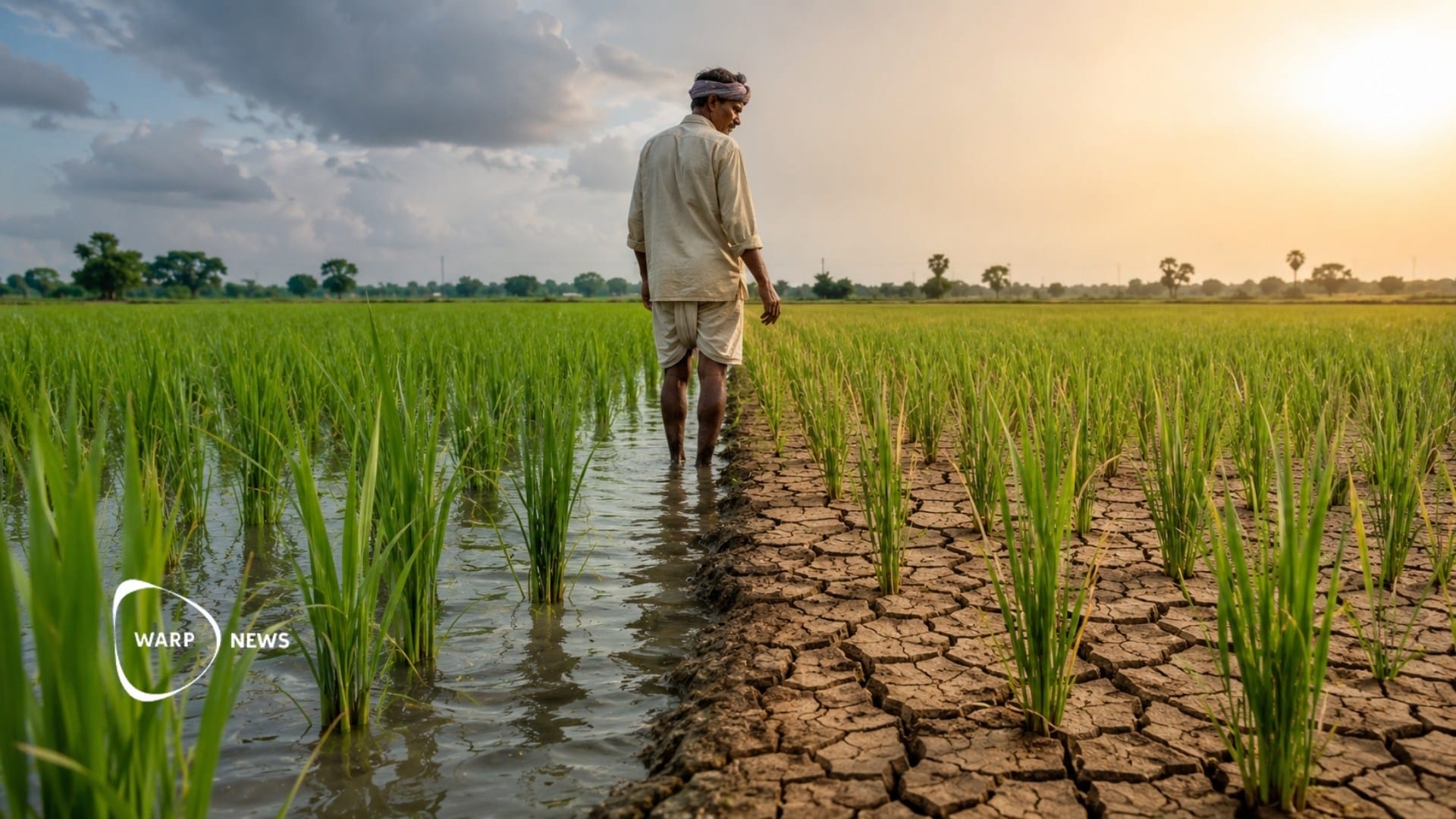
🌾 Indian scientists have bred rice that handles both flood and drought
India has bred two rice varieties for opposite water problems. One yields nearly 50 percent more in flood years with no penalty in normal years. The other yields up to 35 percent more in dry conditions and grows in dry soil, without flooded paddies. The poorest farmers gain the most.
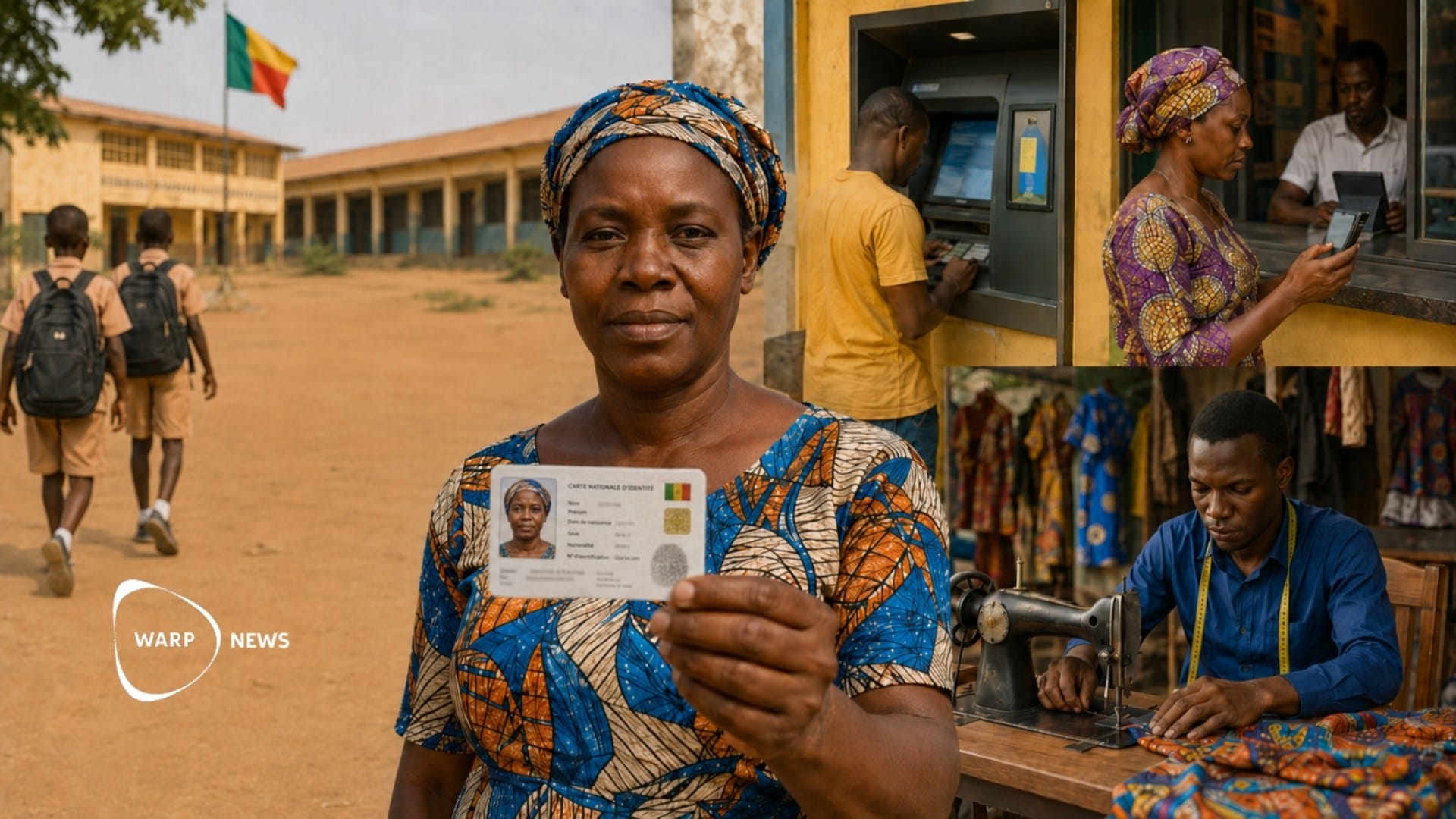
🪪 Millions in Benin now have an official identity, opening access to school and banking
In 2017, about 20% of Benin's population had no official papers. Now, nearly 99% of Benin's population is registered in a biometric ID system. An official identity provides access to school, a bank account, credit, and a business of one's own.