☀️ "An energy system with 100% solar and wind is possible"
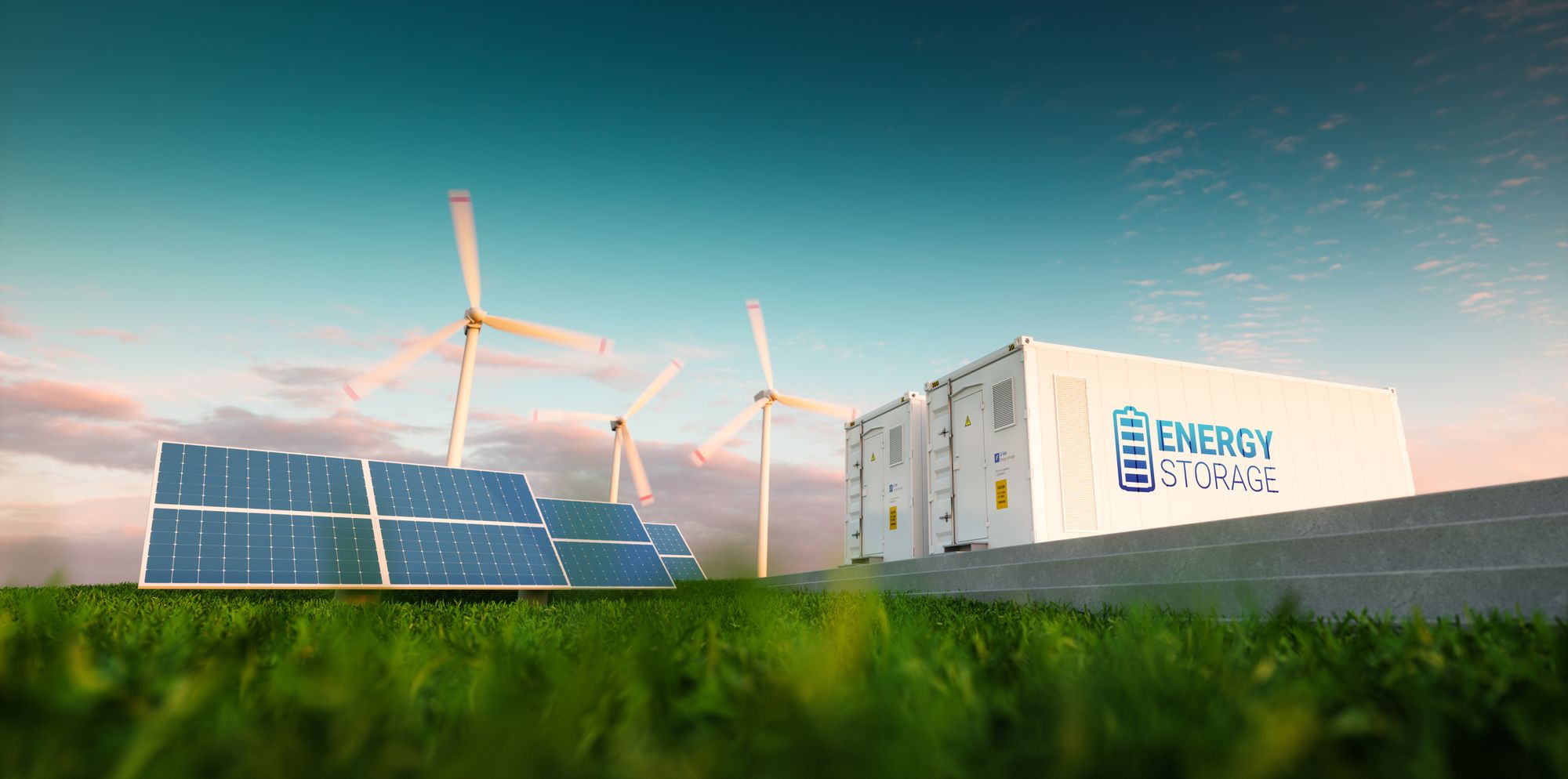
Solar, wind and batteries are enough to cover 100% of our energy needs in most parts of the world. This will lead to an abundance of cheap energy, which will create new opportunities and businesses. Four takeaways from Tony Seba's energy report.

Share this story!
Tony Seba and his think-tank RethinkX recently published a super interesting report on the future of energy. Here are the most important takeaways.
100% solar and wind is possible
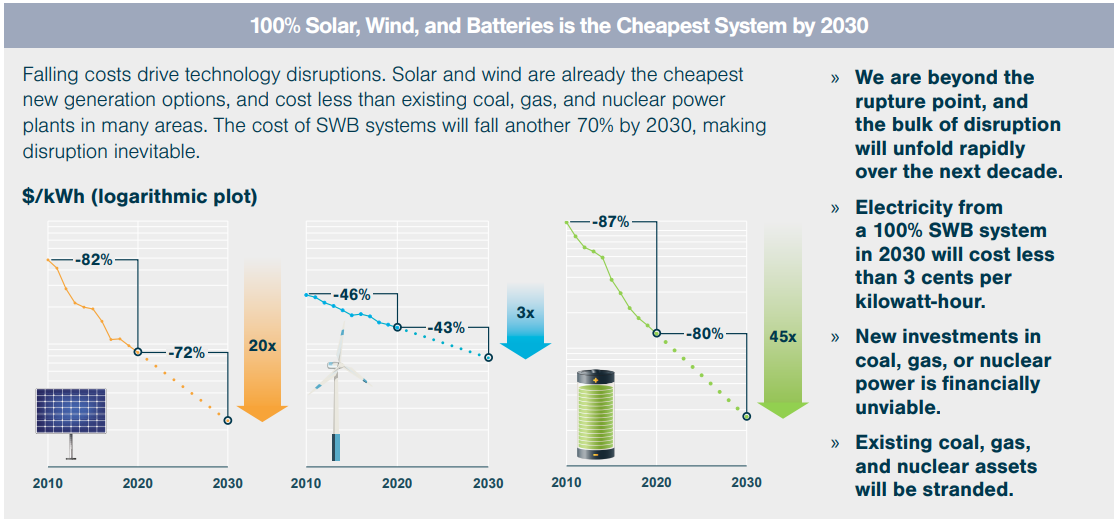
According to the report, 100% clean electricity from solar, wind, and batteries is both physically possible and economically affordable across the overwhelming majority of populated regions of the world by 2030.
This will lead to super power
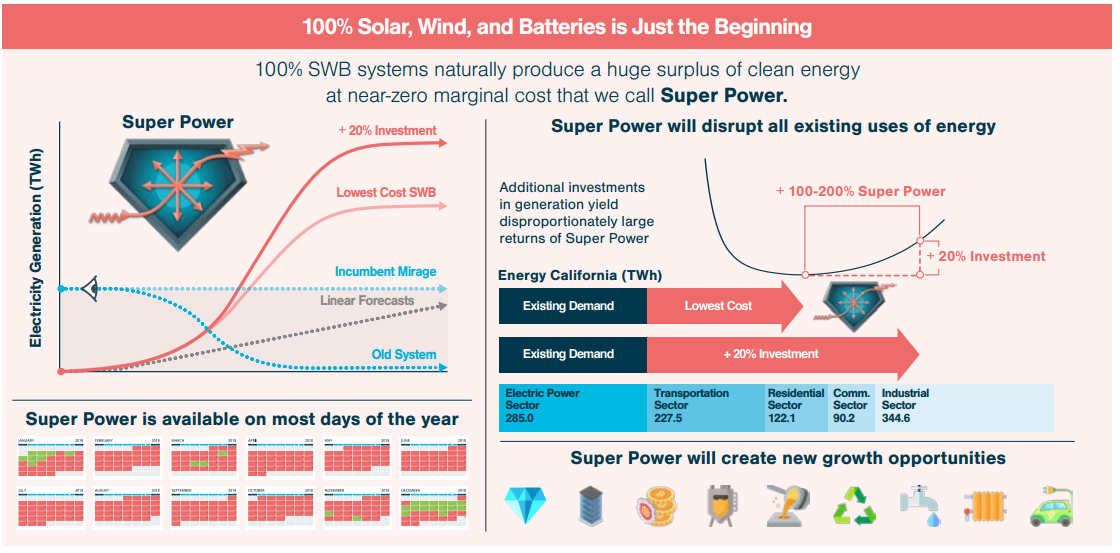
One of the most counterintuitive and extraordinary properties of the new system is that it will produce a much larger amount of energy overall.
This superabundance of clean energy output – which we call super power – will be available at near-zero marginal cost throughout much of the year in nearly all populated locations.
A disruption similar to information technology
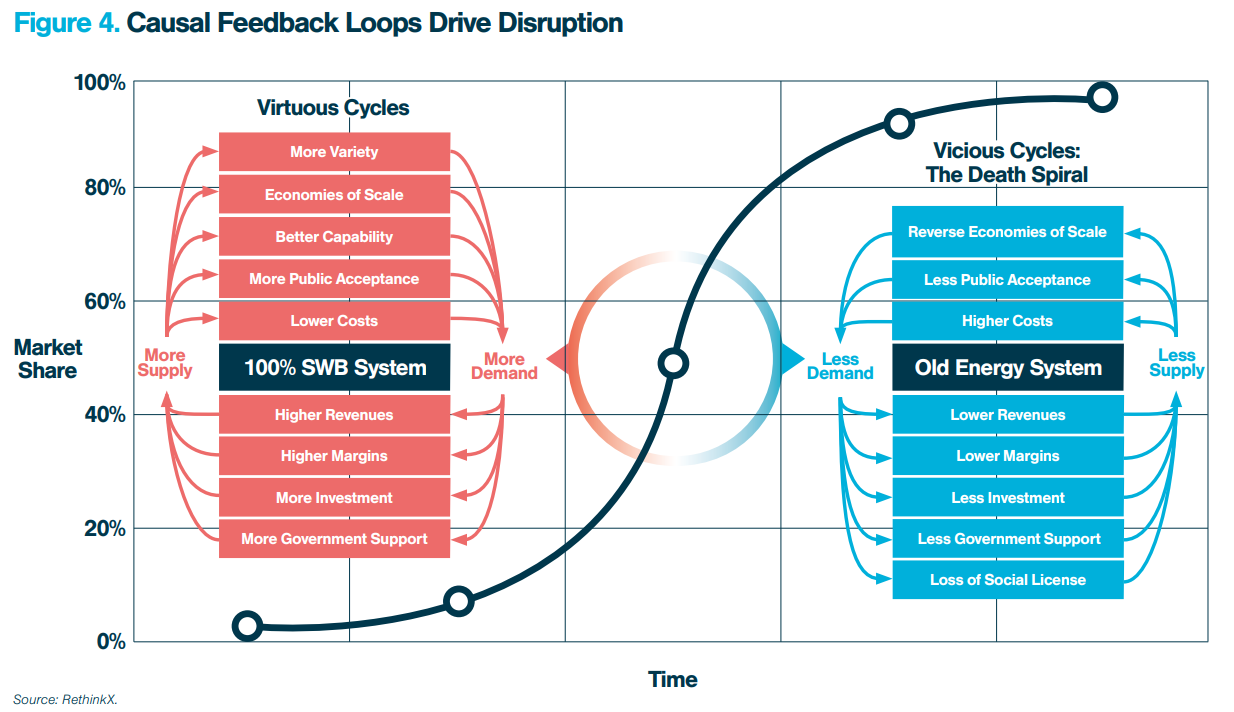
Just as computers and the Internet slashed the marginal cost of information and opened the door to hundreds of new business models, so too will solar-wind-batteries cut the marginal cost of electricity and create a plethora of opportunities for innovation and entrepreneurship.
Does not grow linear
Super power does not grow linearly with investment in capacity.
Increasing system capital expense by just 20% will double or triple super power output.
By becoming a premium supporter, you help in the creation and sharing of fact-based optimistic news all over the world.