

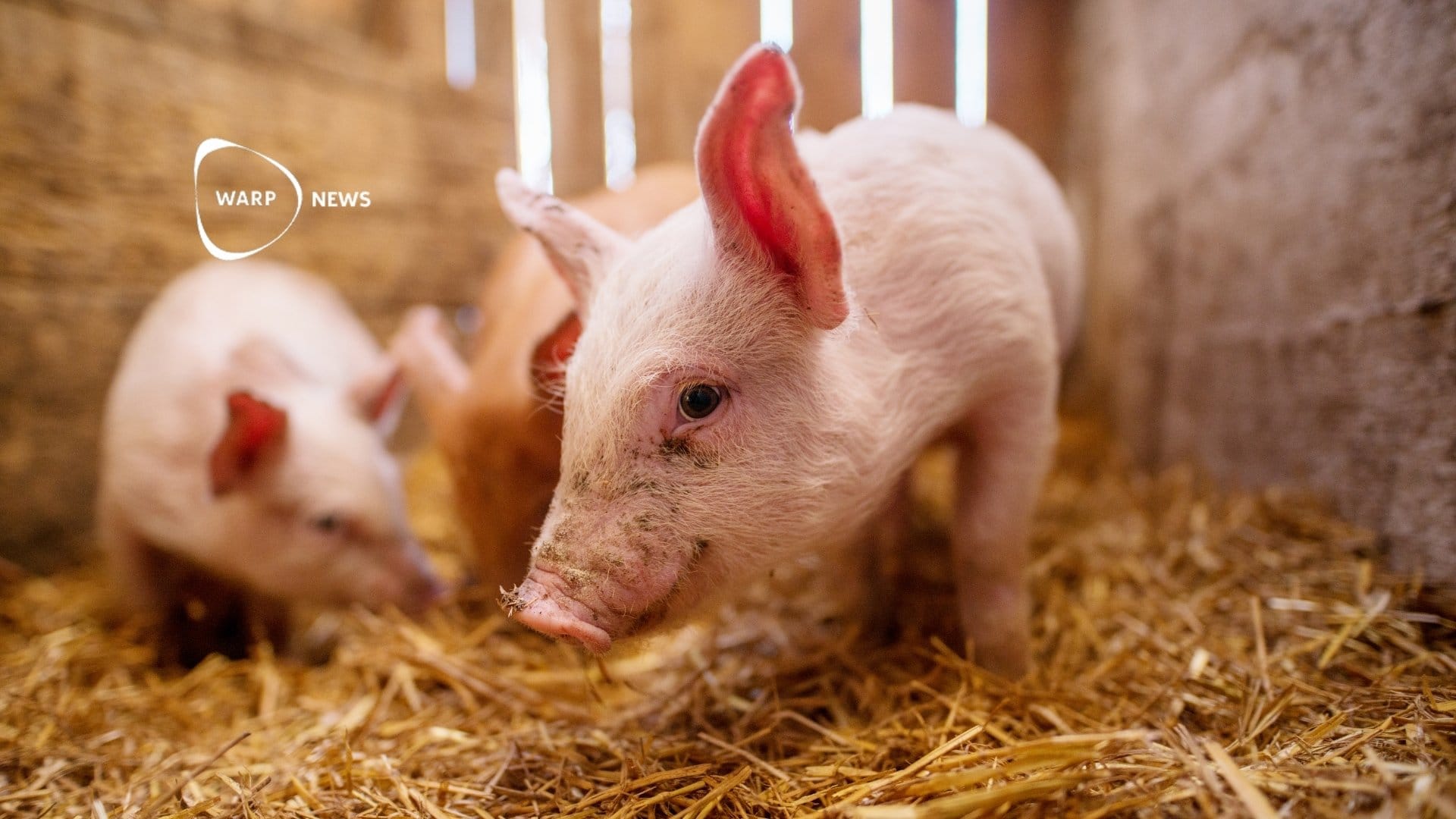
🐖 Gene-edited pigs resistant to classical swine fever
Gene-edited pigs remained healthy when exposed to the deadly classical swine fever virus. The same gene editing may provide resistance to similar viruses that infect cattle and sheep.

🌲 Forest cover increases in several regions – FAO report shows reduced deforestation globally
Deforestation continues to decline, and net forest loss is less than half of what it was in the 1990s. Net loss of forest has decreased by 61 percent since the 1990s.

🖥️ Quantum computer demonstrates controlled advantage over supercomputer for the first time
The Willow chip calculates molecular structures 13,000 times faster than one of the world's fastest supercomputers. The technique can be used to measure distances in molecules and provide more information about chemical structure than today's methods.
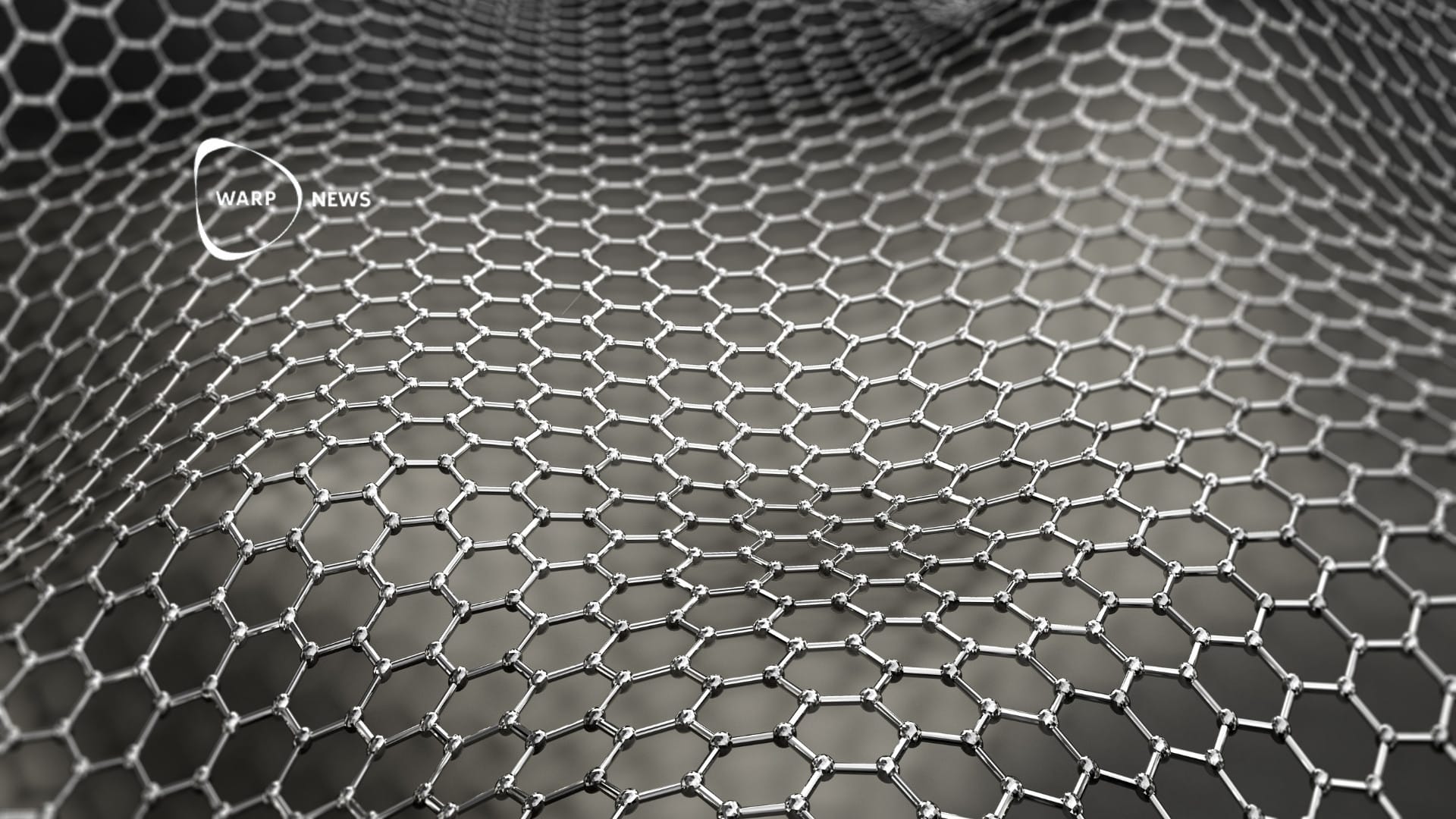
🏭 Graphene moves from laboratory to factory after 20 years
British company plans pilot facility for production of graphene-based chips. Graphene was discovered at the University of Manchester in 2004 but has not been produced at large scale until now. The material is stronger than steel but lighter than paper.
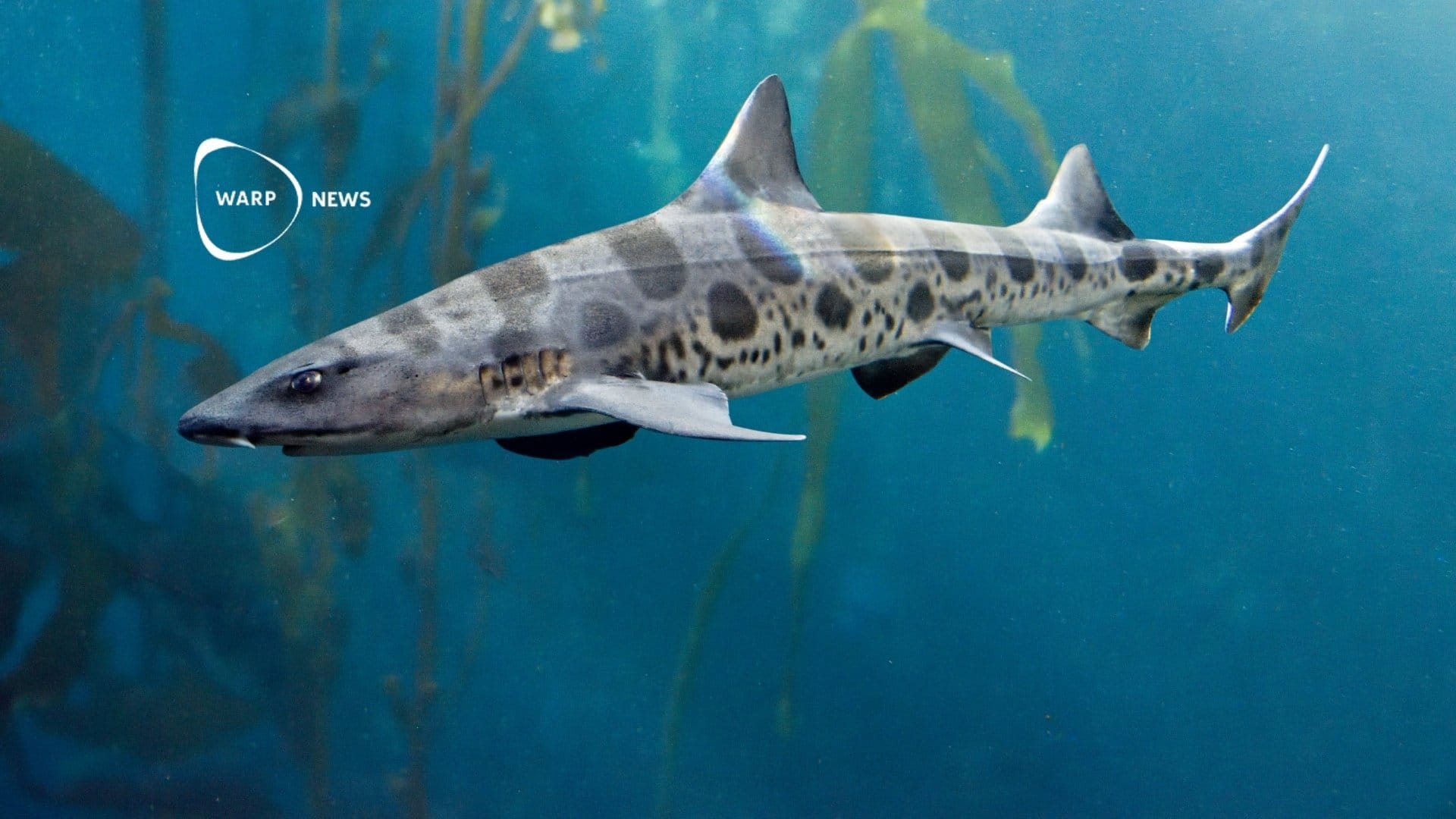
🦈 Extinct sharks to make a comeback in the ocean
ReShark is the world's first program to reintroduce sharks into nature, focusing on Indo-Pacific leopard sharks in Raja Ampat, Indonesia. The program uses surplus eggs from aquariums around the world that are transported to locally operated hatcheries in Indonesia.
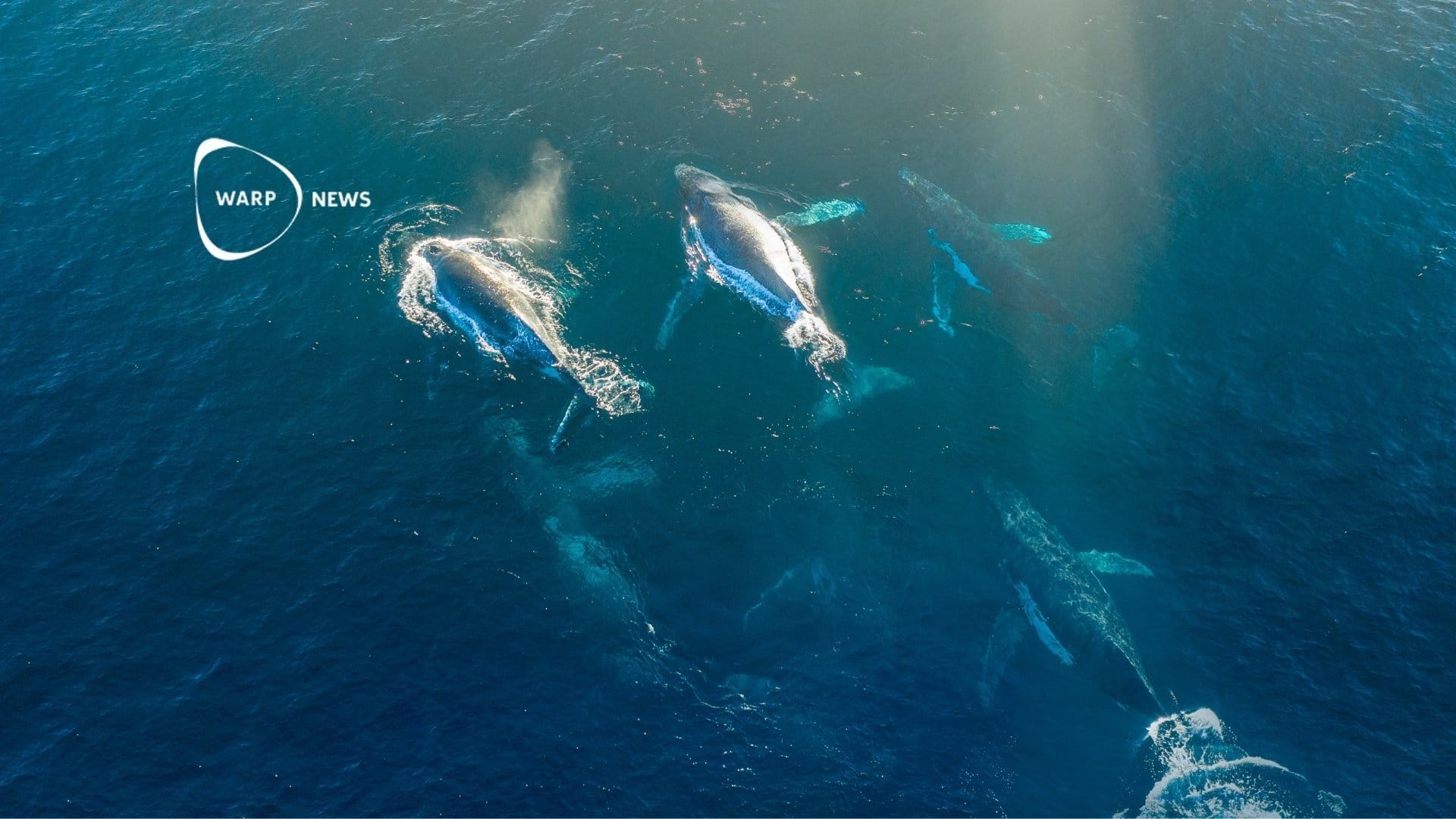
🐋 Humpback whales more numerous now than before industrial whaling began
The population of humpback whales along Australia's east coast reached over 50,000 individuals in 2024, around 20,000 more than before commercial whaling began in the early 1900s.

🤒 People are becoming less sick
Illness and disability have decreased by 12.6 percent since 2010. Lost years of life due to infectious diseases have decreased by between 58.9 and 79.0 percent.

🔋 Ukraine uses large battery parks to keep power supply running
Ukraine has installed six large battery parks with a total capacity of 200 megawatts that can deliver electricity to approximately 600,000 homes for two hours. The battery parks connect to the power grid and deliver power if another source goes offline, helping to avoid blackouts.
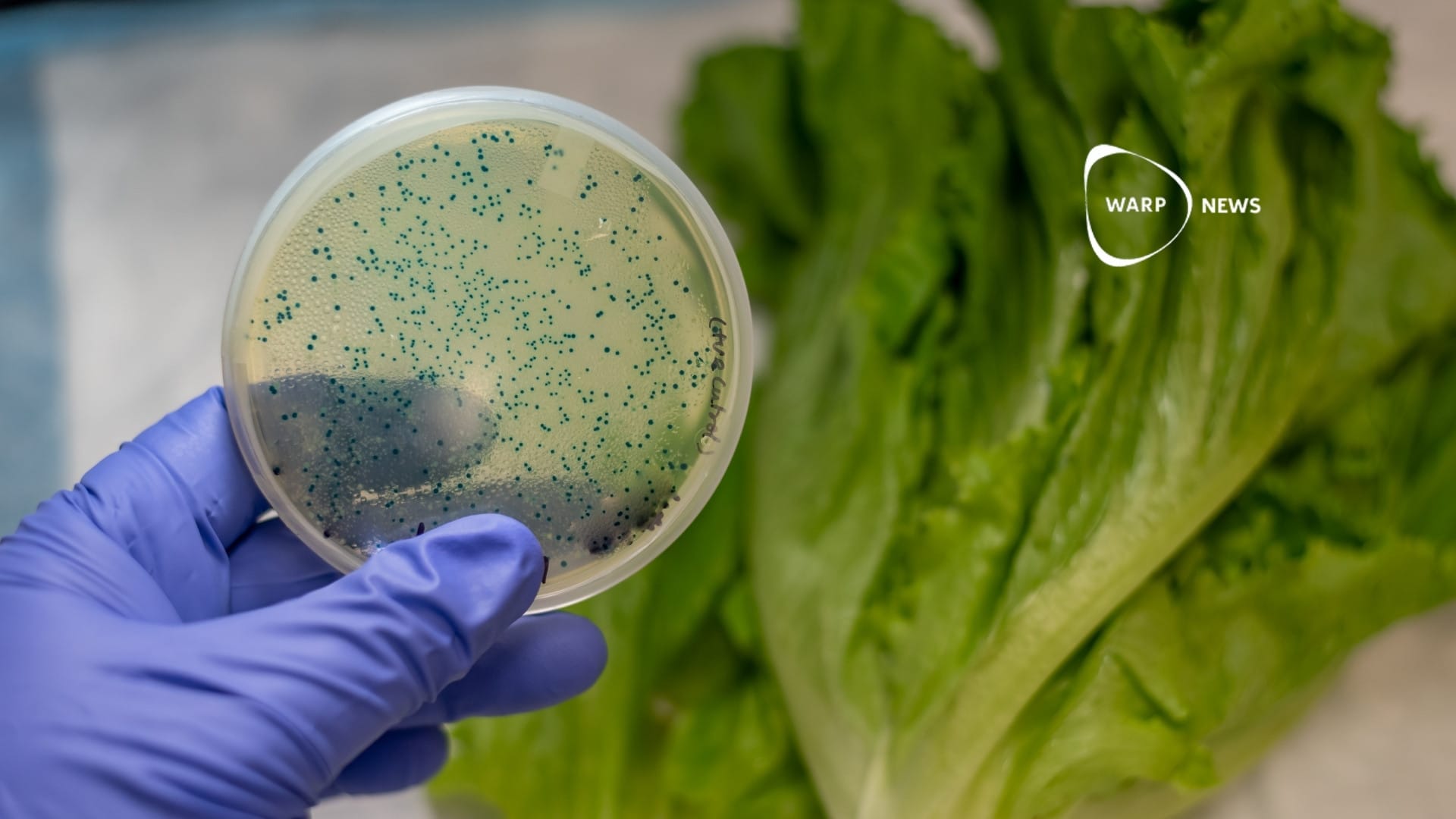
🦠 AI creates viruses that kill E. coli bacteria
AI models have designed 16 working viruses that can attack E. coli bacteria in the laboratory. The development of the technology could lead to new treatments against antibiotic-resistant bacterial infections.