
⚡️ Energy
Energy production and consumption is becoming cleaner, cheaper and decentralized. With connected devices you as a consumer can take control of your energy consumption. Here you will also find content about batteries, smart grids, nuclear and other innovation in the energy field.
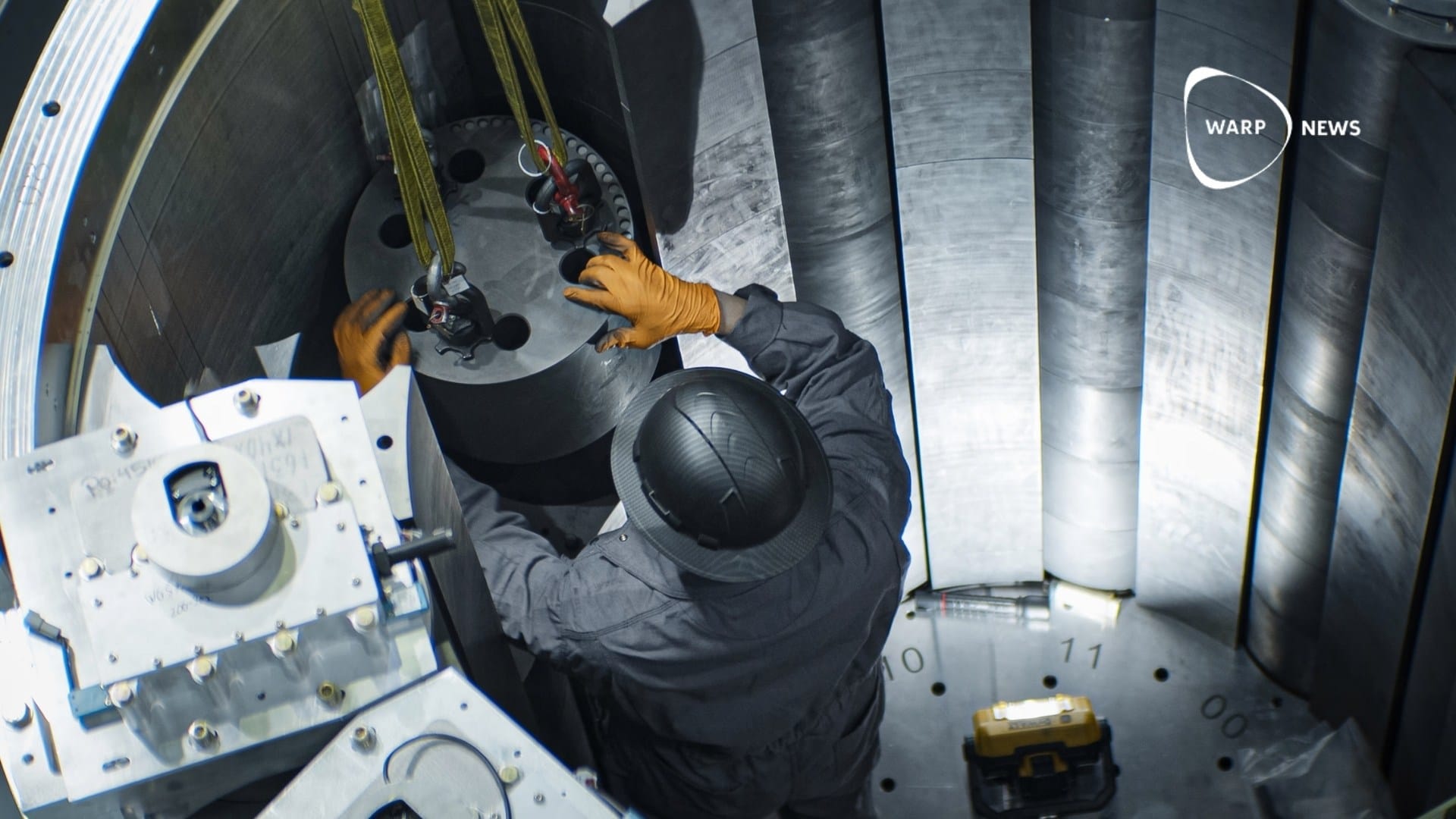
☢️ Microreactor went from idea to chain reaction in under a year
American nuclear power has long been marked by delays, where a single reactor design could take a decade to test. Antares' microreactor Mark-0 started a stable nuclear reaction in under twelve months. That made them the first private company to take an advanced reactor there within the program.
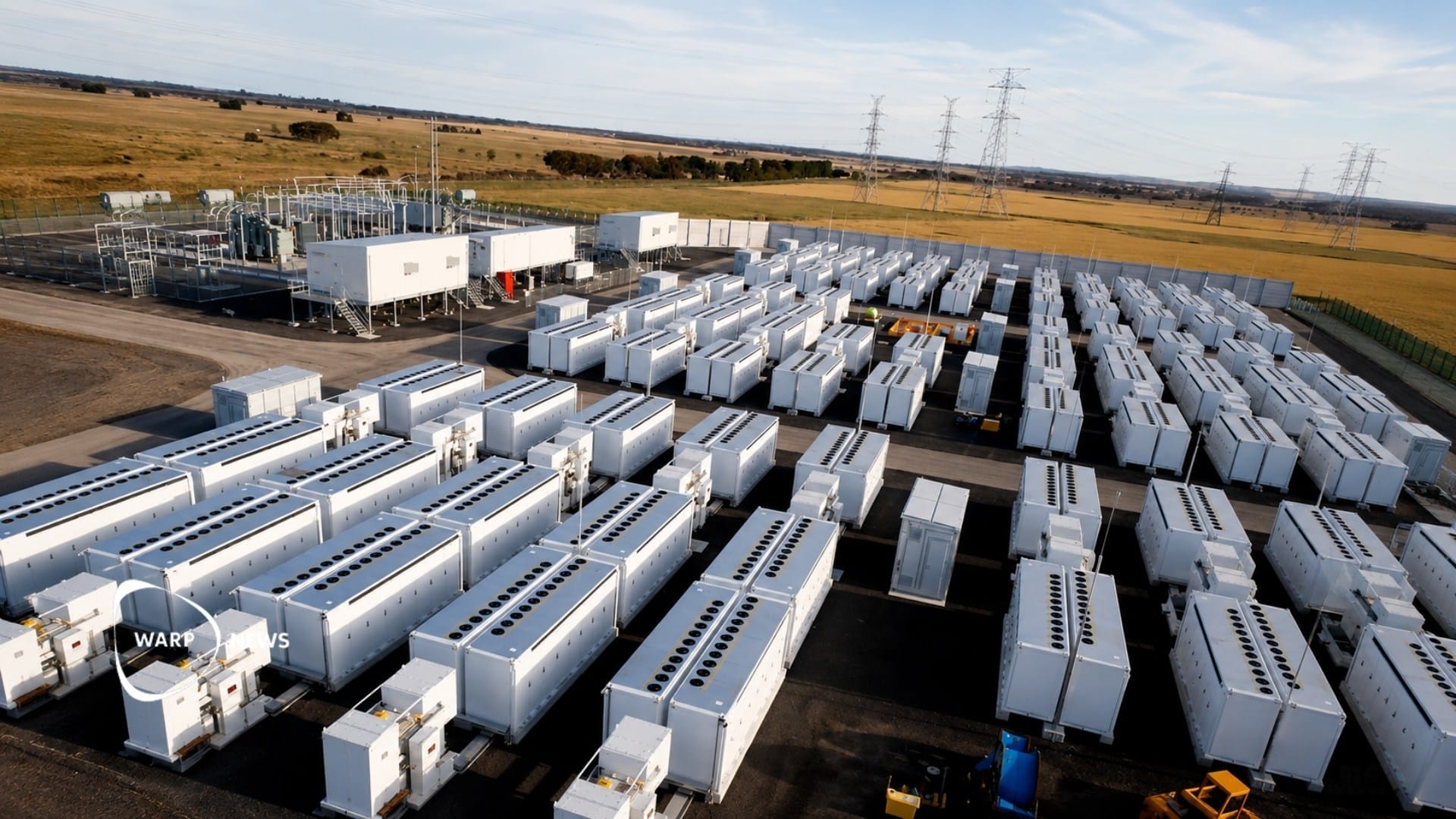
🔋 Australia's battery capacity has doubled – cutting reliance on gas
Battery capacity in Australia has more than doubled between March 2025 and March 2026. Gas-fired generation has fallen 24 percent and is at its lowest level since 1999. Average wholesale electricity prices have dropped 12 percent.
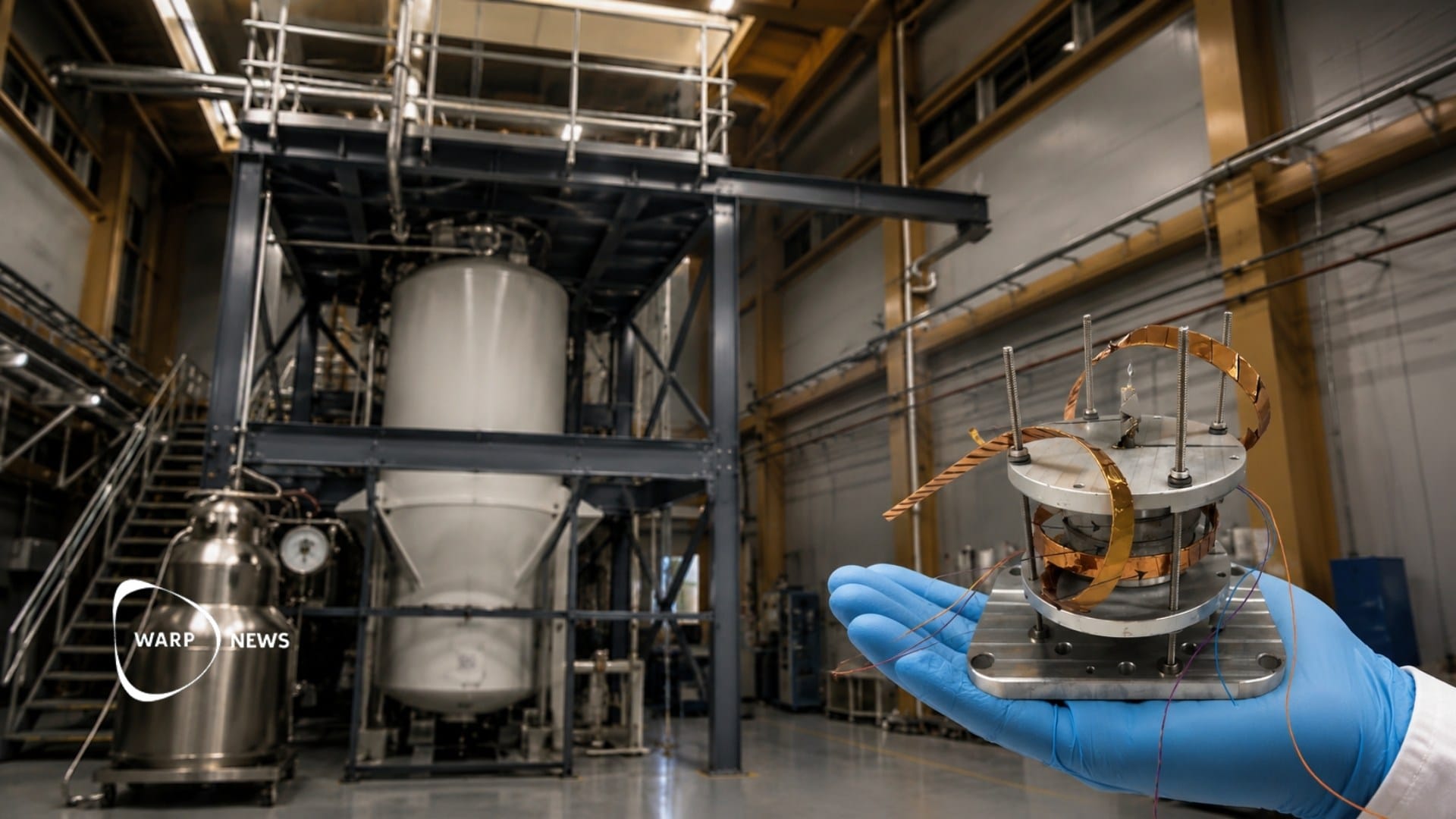
🧲 Researchers have shrunk giant magnets to the size of a palm
The new magnets are as strong as today's most powerful research magnets, which weigh several tons and are the size of a room. The magnets draw less electricity than an LED bulb, compared to the power consumption of several thousand households for traditional magnets of the same strength.
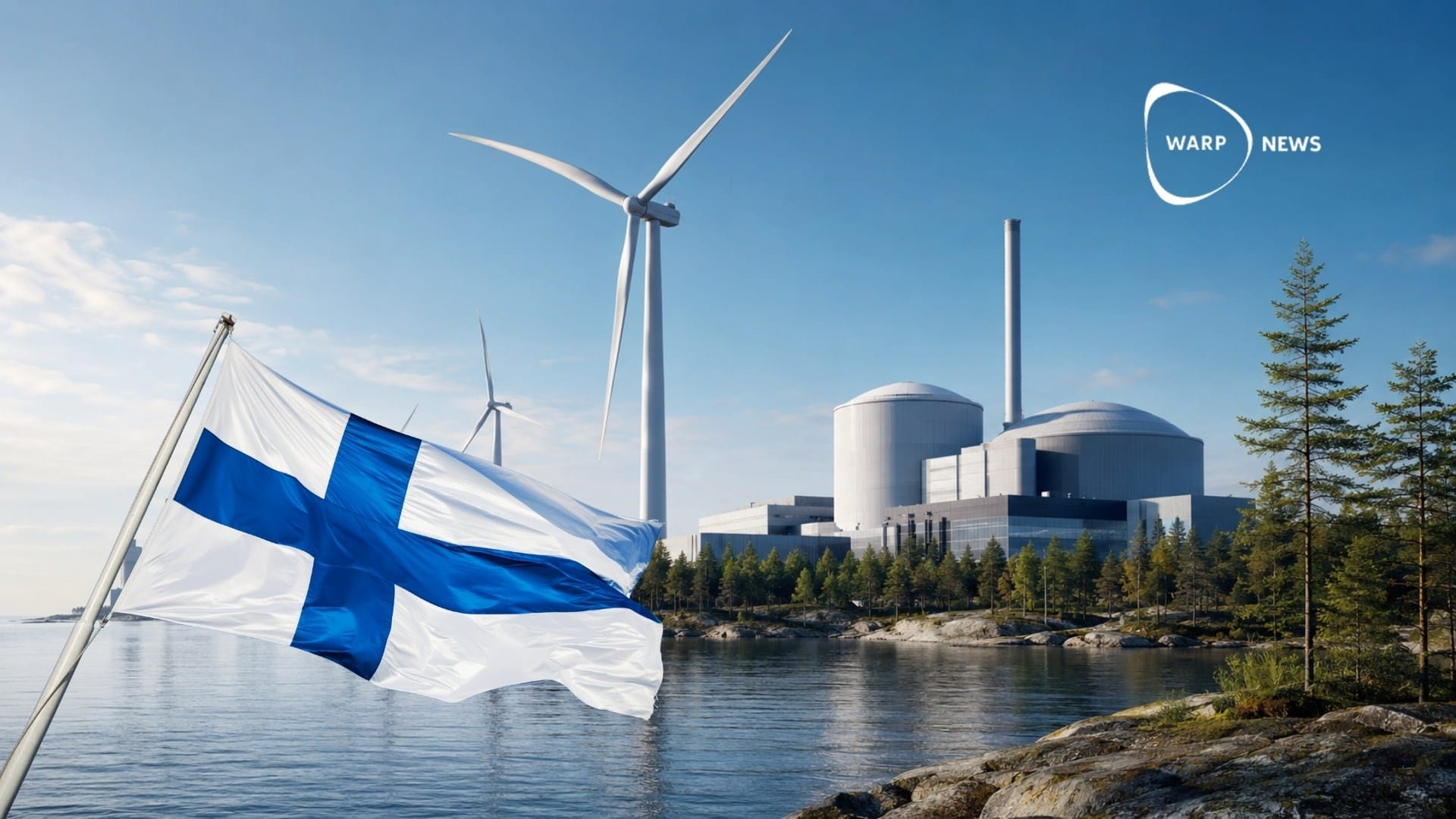
⚡ Finland has cut power sector emissions by 80 percent in a decade
Finland's emissions from electricity generation fell from nearly 15 million tonnes to around 3 million tonnes per year between 2016 and 2025. Nuclear and wind power together account for 64.5 percent of generation. The last coal plant was shut down in April 2025.
🔋 Sodium-ion batteries ready for mass market - cheaper and more durable than lithium-ion batteries
Sodium-ion batteries are cheaper and more durable than lithium-ion batteries, but have not been possible to manufacture at scale until now. CATL says the manufacturing challenges are solved. The cells handle more than 15,000 cycles, and sodium is 1,000 times more abundant than lithium.
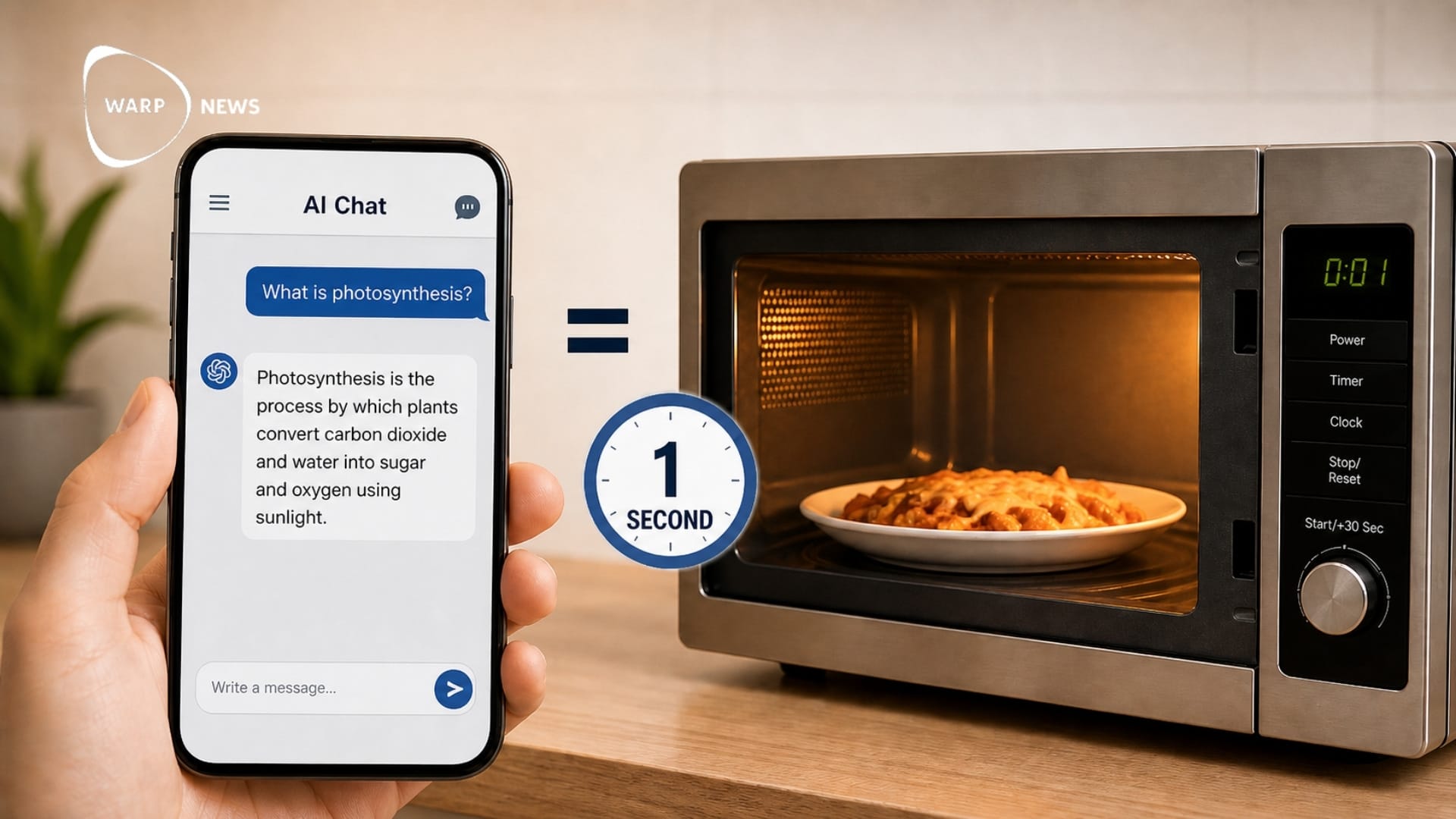
👍 New rule of thumb for AI energy use: One prompt = one second in the microwave
A simple AI query uses about 0.3 watt-hours of electricity. A microwave at around 1,000 watts uses about 0.28 watt-hours per second. So a simple AI query corresponds to roughly one second in the microwave.
💶 Solar power has saved Europe more than €100 million per day since March
Solar energy has saved Europe more than €100 million per day since 1 March, totaling more than €3 billion. Wind and solar power have reduced electricity prices by an average of 24% between 2023 and 2025. If gas prices remain high, total savings in 2026 could reach €67.5 billion.
💡 Renewable electricity overtook coal as the world's largest power source in 2025
Solar and wind accounted for 99% of the growth in global electricity demand during 2025. Solar energy grew by 636 TWh – more electricity than all LNG exports through the Strait of Hormuz can produce. For the first time, coal power accounts for less than a third of the world's electricity generation.
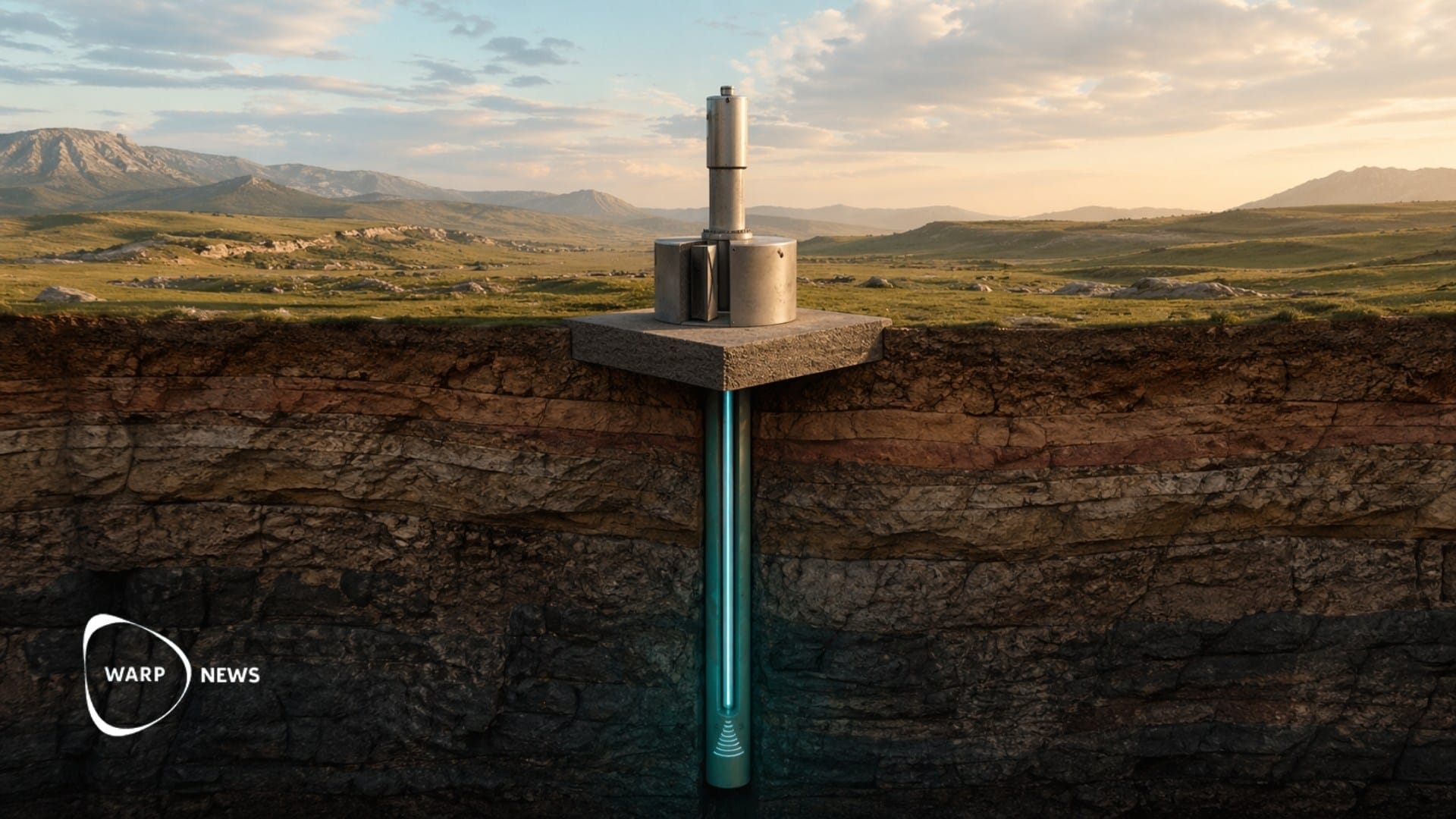
🚧 The world's first geothermal plant with 10 to 100 times higher output per well is now being built
Project Obsidian will be the world's first geothermal power plant to extract energy from rock at 300 to 500 degrees Celsius. The millimeter wave drilling technique allows drilling to reach depths and temperatures that conventional drills cannot handle.