
♻️ Green Tech
Green Tech is an important part of the solution of climate change and other enviromental problems. Here you will find articles covering recycling, water purifying and tech used to conserve and protect natural resources. Also, news about Warp Green Tech Program will be found here.
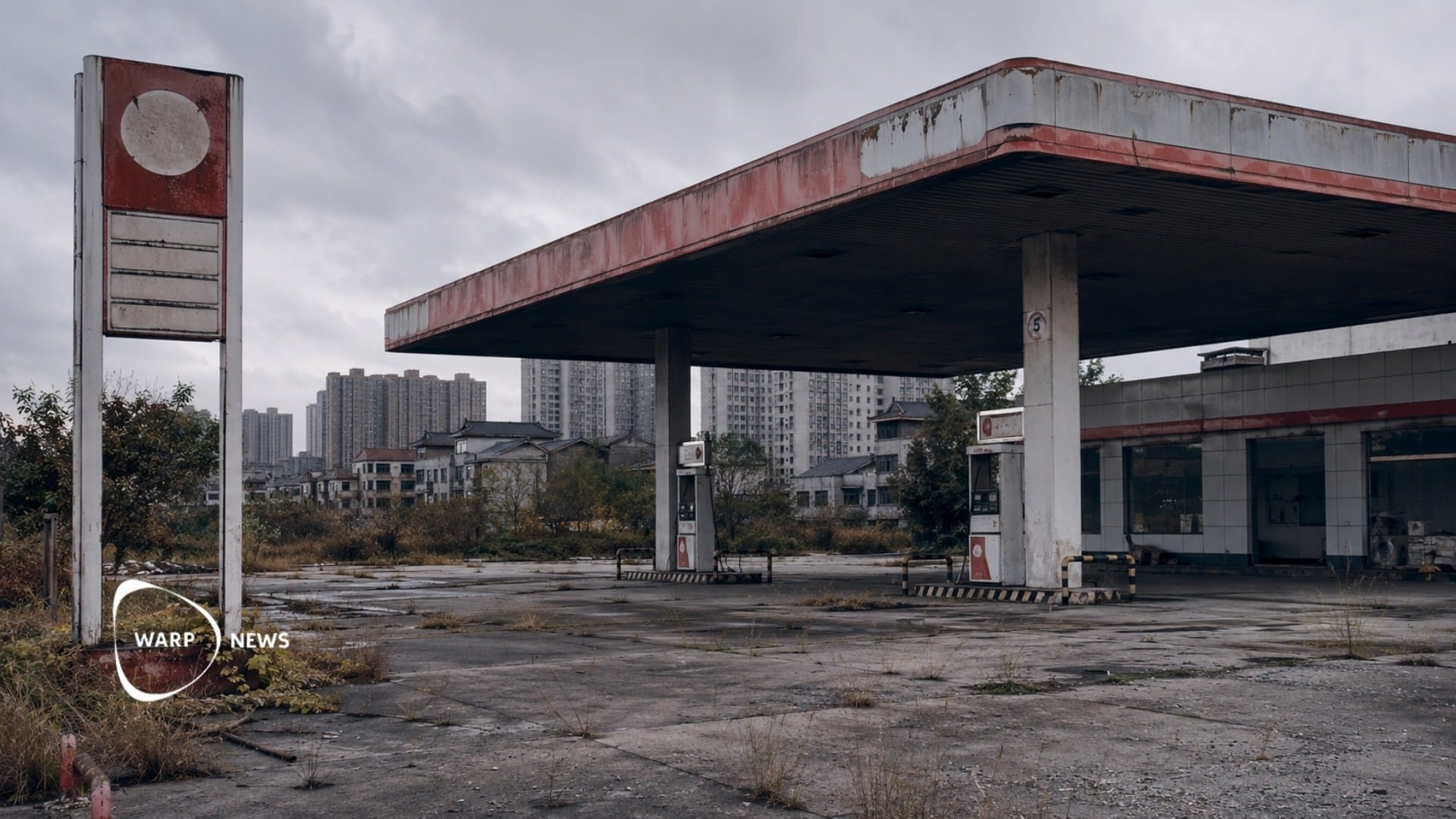
⛽ Petrol cars have vanished from China's ten best-selling vehicles
In May, all of China's ten best-selling cars were electric vehicles or plug-in hybrids. Petrol cars have completely vanished from the list. Sales of new petrol cars in China have fallen by 41.8 percent compared with a year earlier.
💰 EU cut emissions by 17 percent in a decade while the economy grew just as much
The EU's greenhouse gas emissions were 17.2 percent lower in 2025 than in 2015. Over the same period, the EU's GDP rose by 17.5 percent. Emissions fell in 23 of the EU's 27 countries.
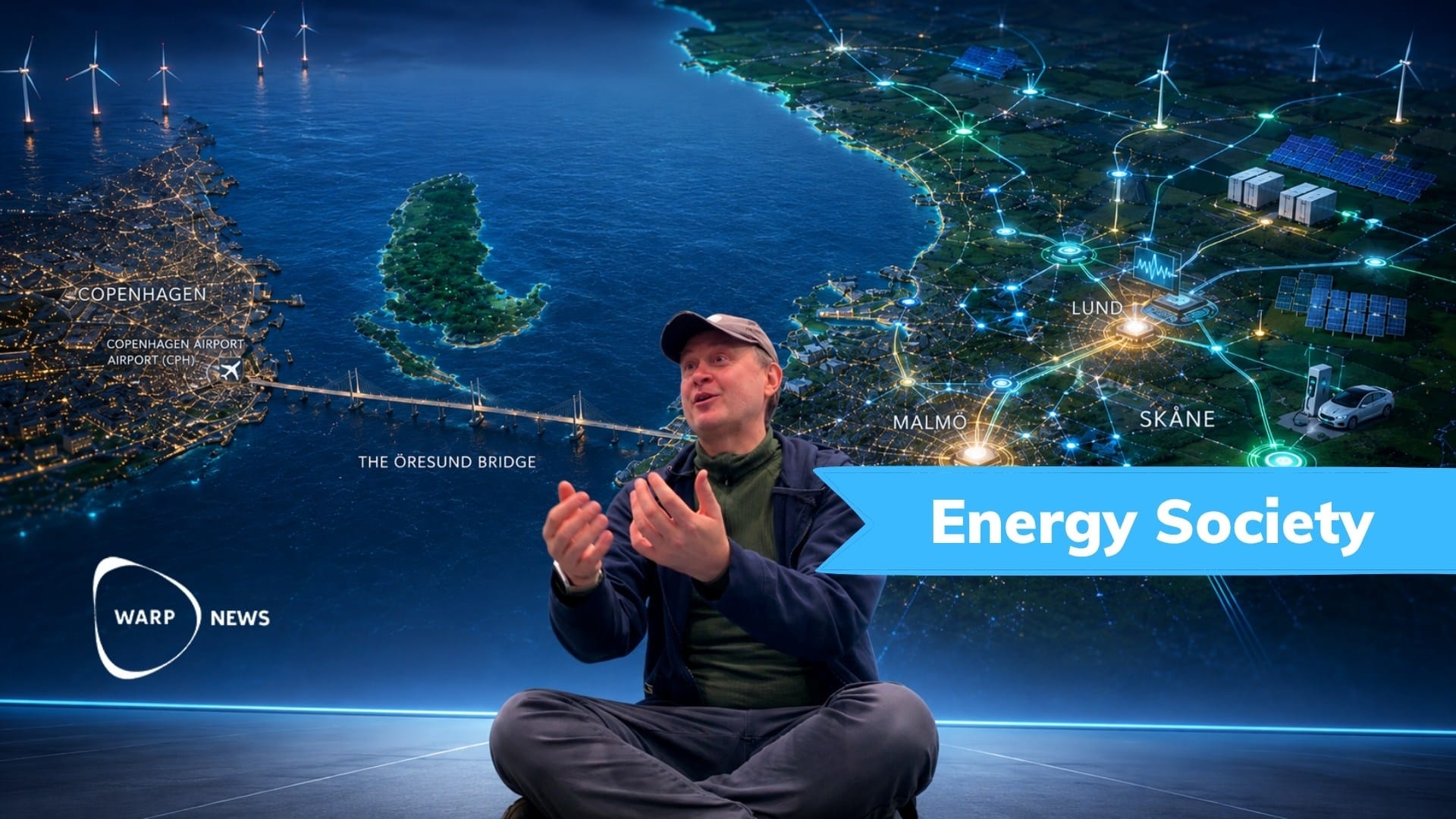
🔋 Part 3: Towards the energy society – Energy Valley and the power of power electronics
It's an ordinary Thursday in an ordinary conference room. But something unique is taking shape there. With the help of a power few people know about, but one that helps you better understand the future.
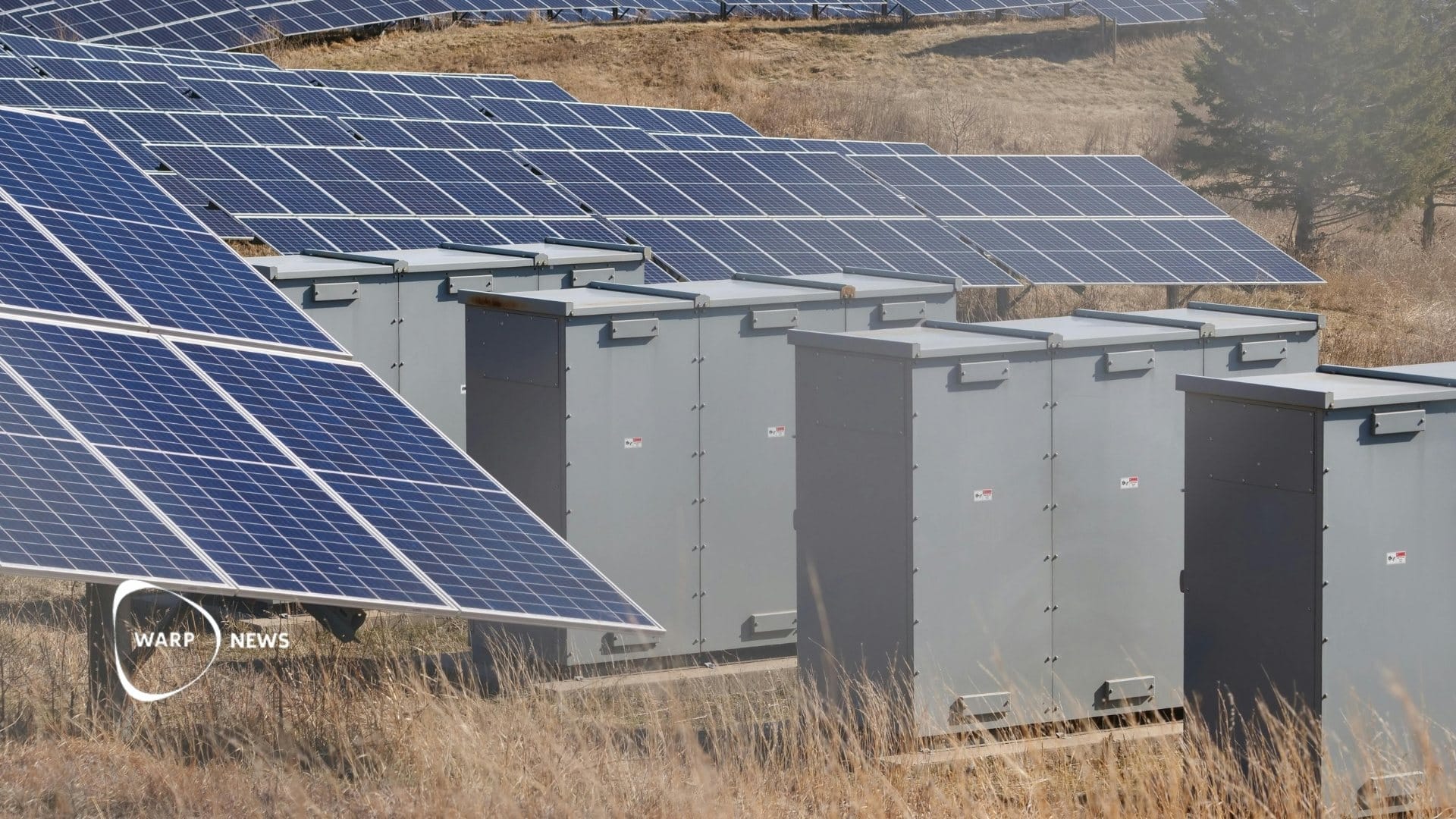
📉 Australia's power prices fall after record battery rollout
Batteries' share of the electricity grid on Australia's east coast rose from around 3 percent to nearly 10% in one year. From July 2026, power prices will fall, and households could save up to 10%.
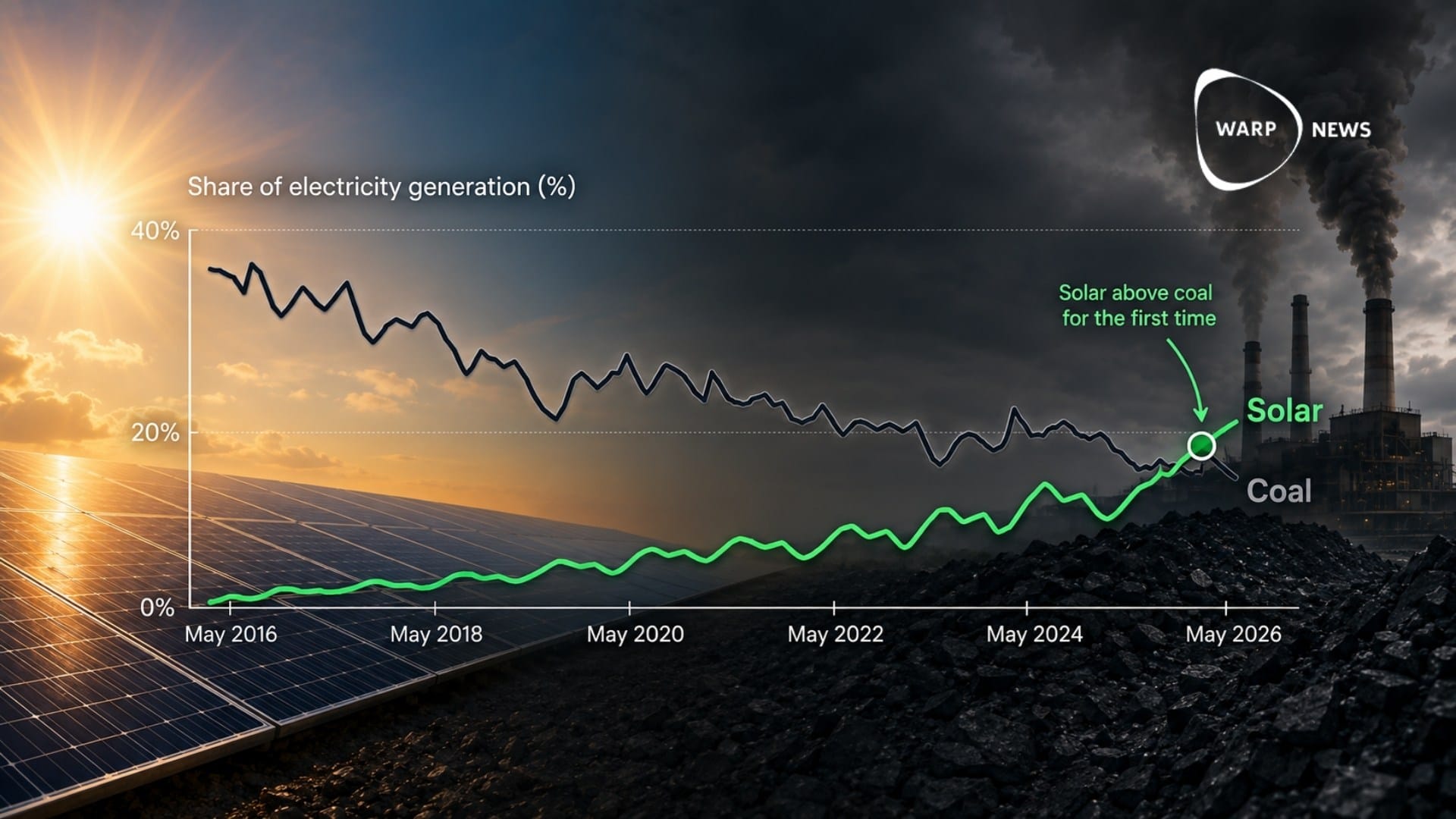
☀️ Solar overtakes coal in US electricity production for the first time
Solar power supplied 12.8 percent of US electricity in May 2026, while coal fell to 12.2 percent. Solar produced 45.5 TWh during the month, 17 percent more than in May 2025. Over five years, solar's share has more than doubled.

🚰 Machine pulls water from the air - can produce 4,000 liters per day
Startup Atoco is preparing production of a machine that extracts water directly from the air using nanocrystalline materials. The container-sized prototype can produce up to 1,057 gallons of water per day and be installed at data centers, hospitals, and other critical infrastructure.
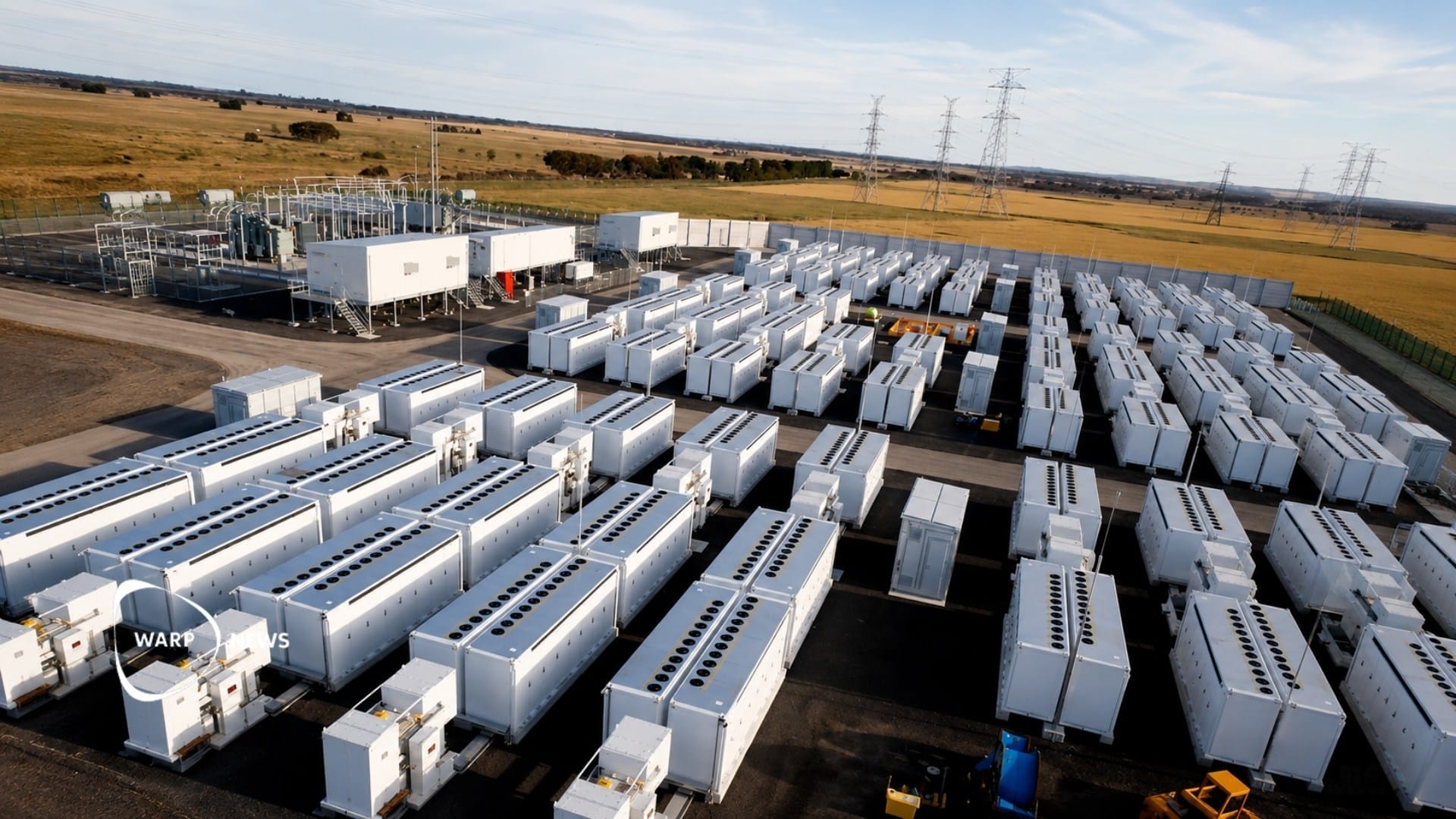
🔋 Australia's battery capacity has doubled – cutting reliance on gas
Battery capacity in Australia has more than doubled between March 2025 and March 2026. Gas-fired generation has fallen 24 percent and is at its lowest level since 1999. Average wholesale electricity prices have dropped 12 percent.
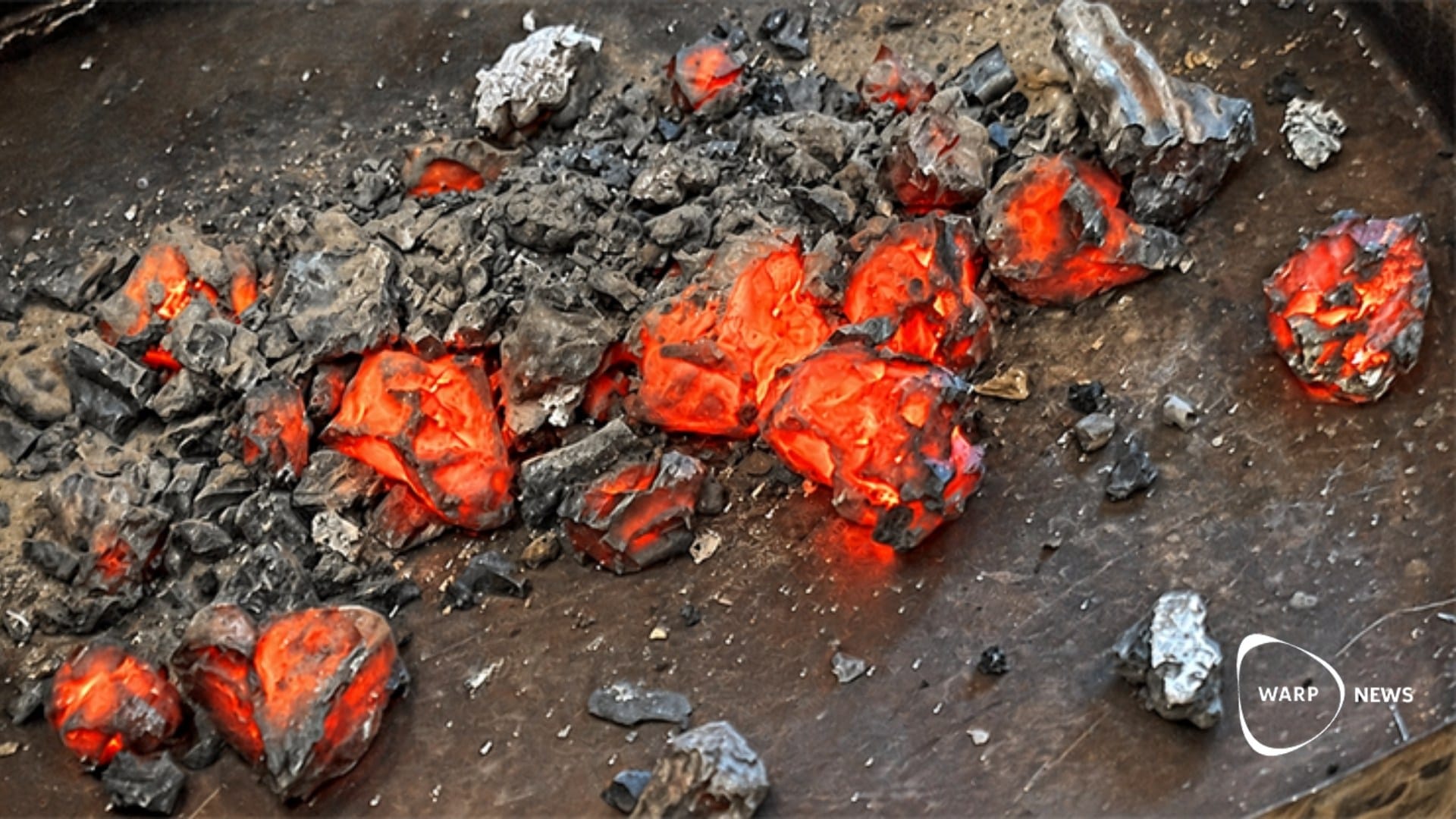
⚡ Cement has been produced entirely with electricity – significant potential to cut CO2 emissions
The cement industry accounts for a significant share of global CO2 emissions, and production has so far relied on fossil-fueled kilns. SaltX and Holcim have produced cement in a fully electrified process, without fossil fuels in the heating stages. The cement produced meets industrial standard.
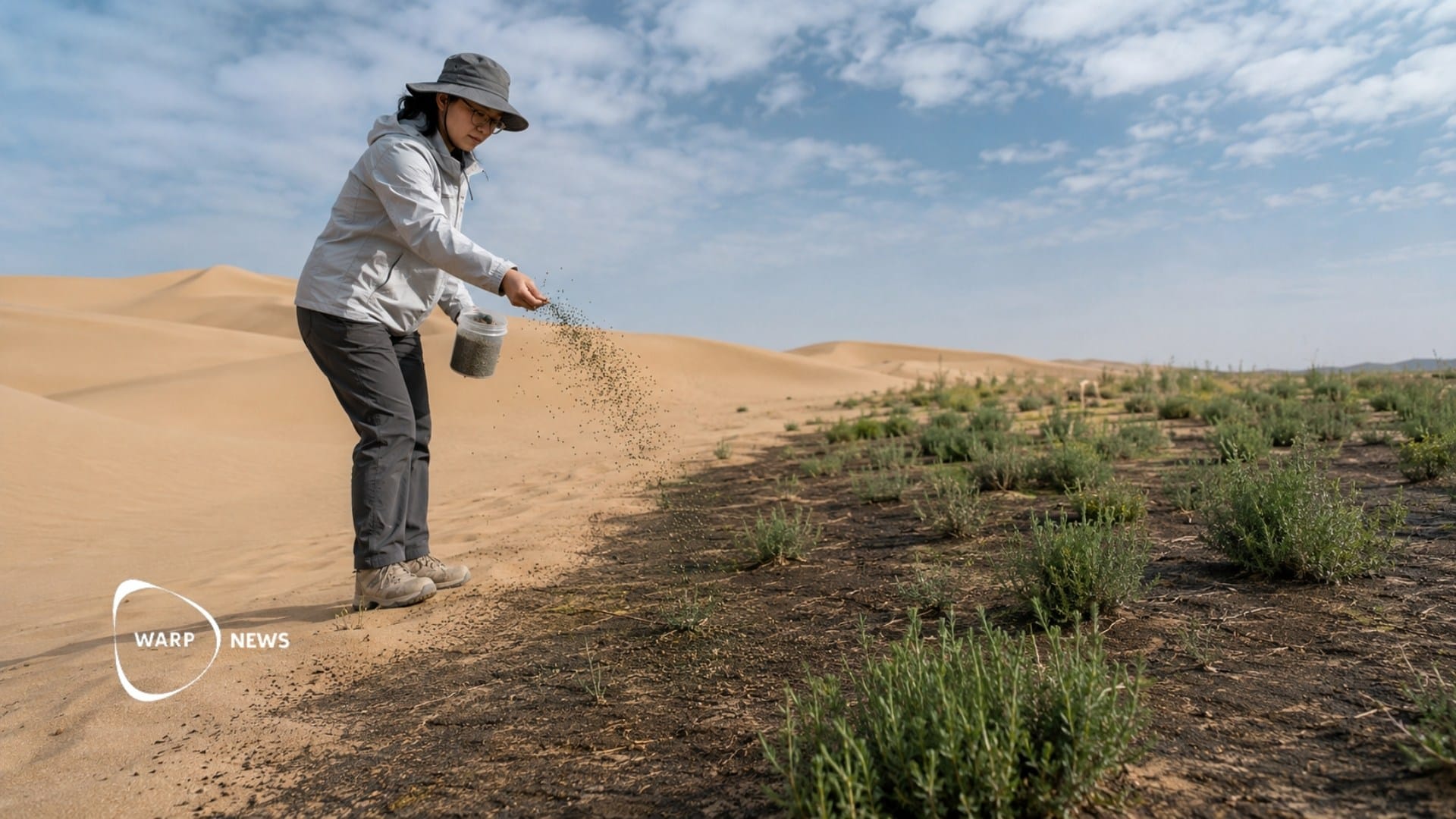
🏜️ New method turns desert into arable land in three years instead of a hundred
Researchers have developed a solid cyanobacteria inoculum that binds sand dunes and creates a foundation for vegetation within three years. The method achieves a survival rate of over 60 percent and shortens the formation of biological soil crusts from 15 years to one or two years.