

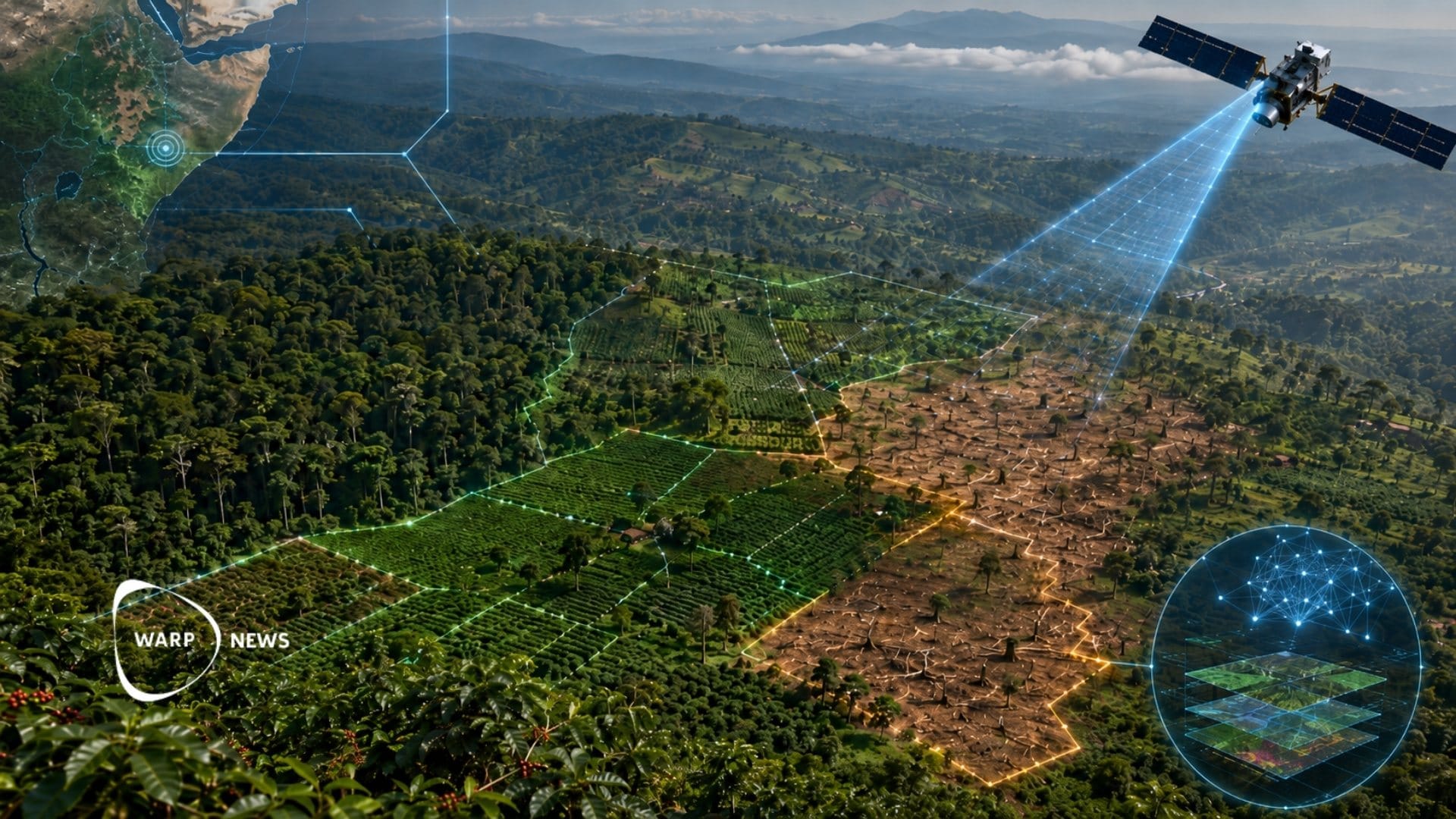
🛰️ Coffee companies launch satellite program to map deforestation
Several major coffee companies and coffee traders have joined forces to map coffee farms and deforestation using satellite imagery and AI models. The initiative will protect millions of smallholder farmers from being wrongly excluded from the EU market due to inaccurate maps.
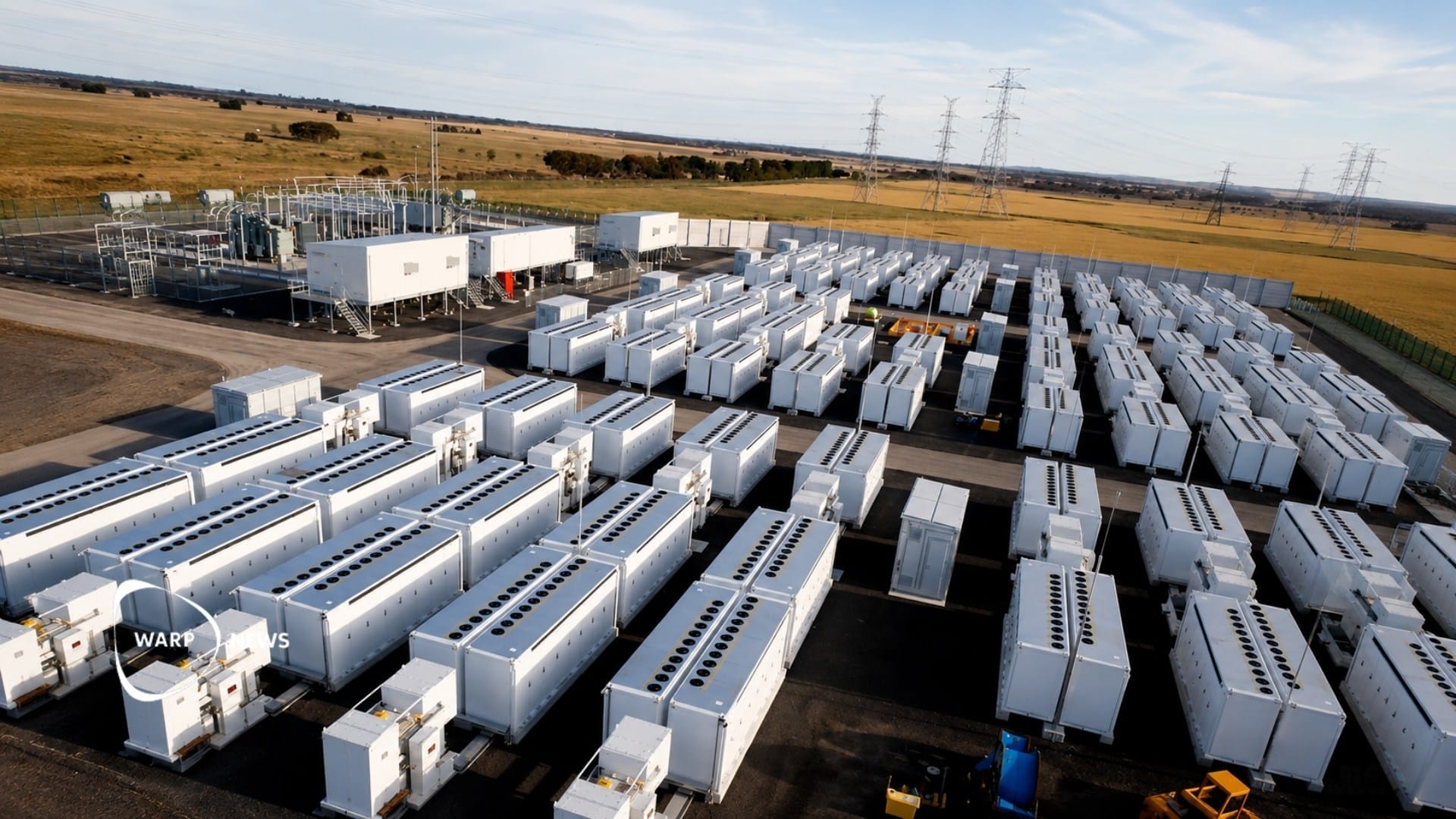
🔋 Australia's battery capacity has doubled – cutting reliance on gas
Battery capacity in Australia has more than doubled between March 2025 and March 2026. Gas-fired generation has fallen 24 percent and is at its lowest level since 1999. Average wholesale electricity prices have dropped 12 percent.
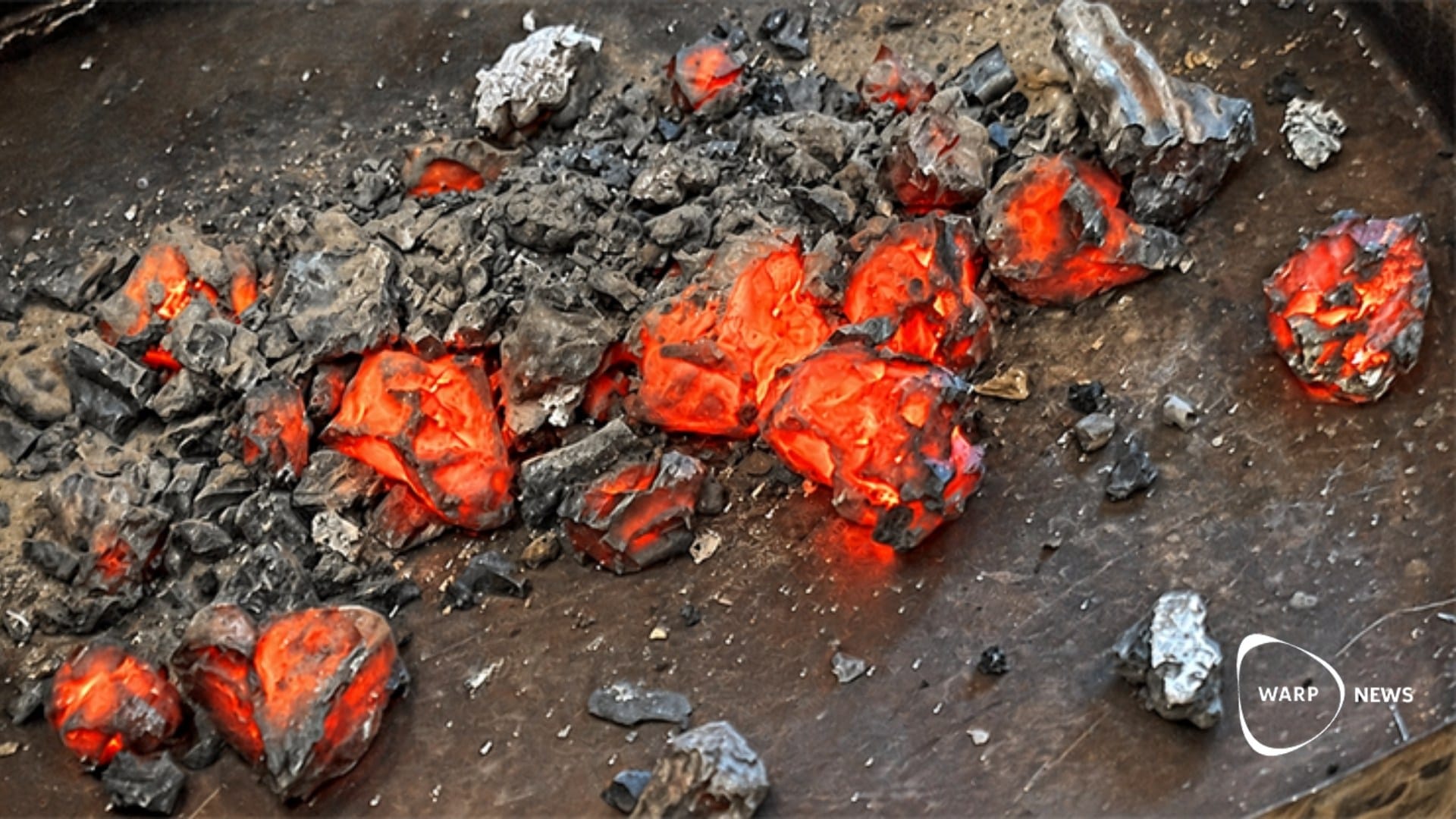
⚡ Cement has been produced entirely with electricity – significant potential to cut CO2 emissions
The cement industry accounts for a significant share of global CO2 emissions, and production has so far relied on fossil-fueled kilns. SaltX and Holcim have produced cement in a fully electrified process, without fossil fuels in the heating stages. The cement produced meets industrial standard.
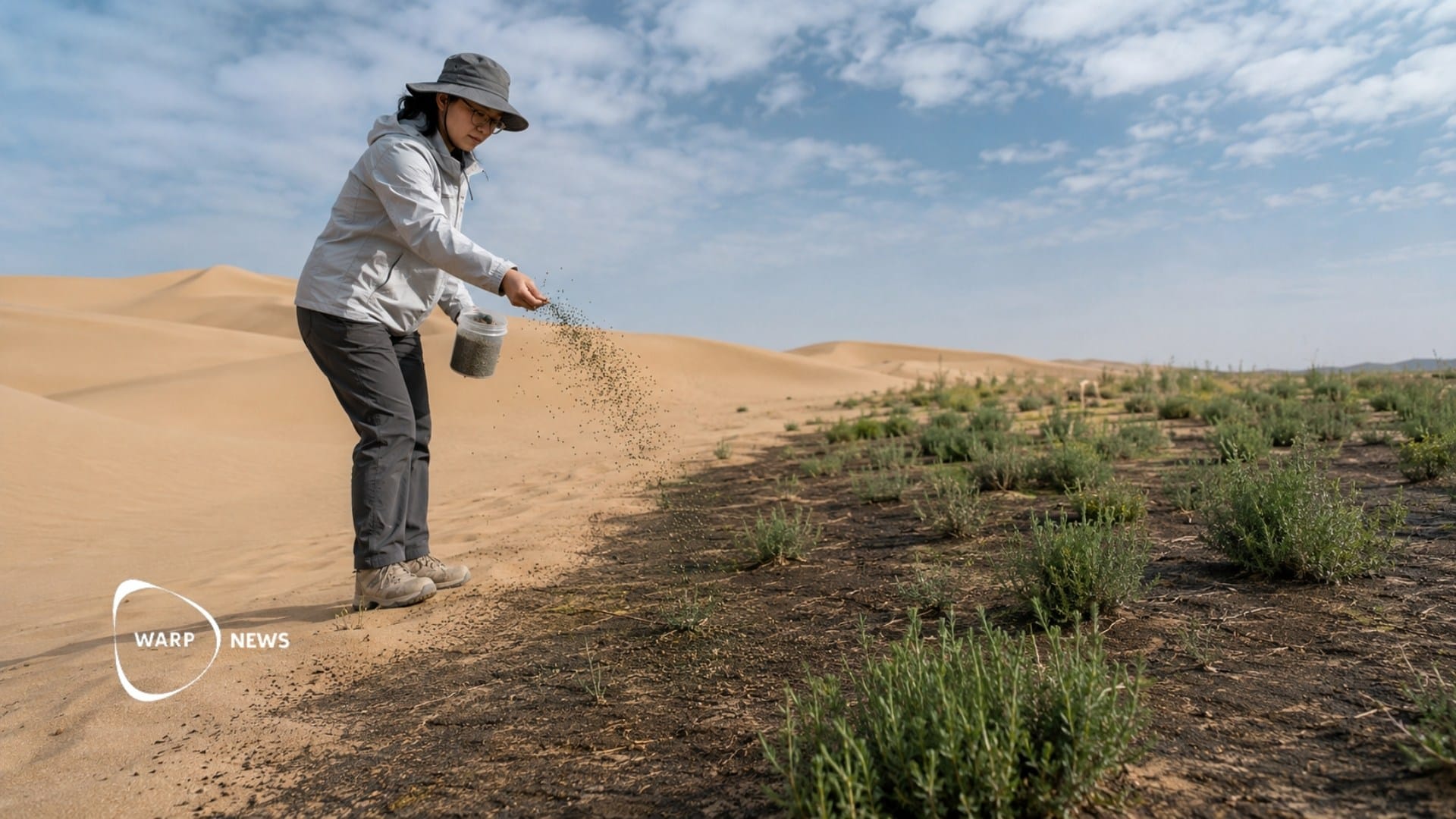
🏜️ New method turns desert into arable land in three years instead of a hundred
Researchers have developed a solid cyanobacteria inoculum that binds sand dunes and creates a foundation for vegetation within three years. The method achieves a survival rate of over 60 percent and shortens the formation of biological soil crusts from 15 years to one or two years.
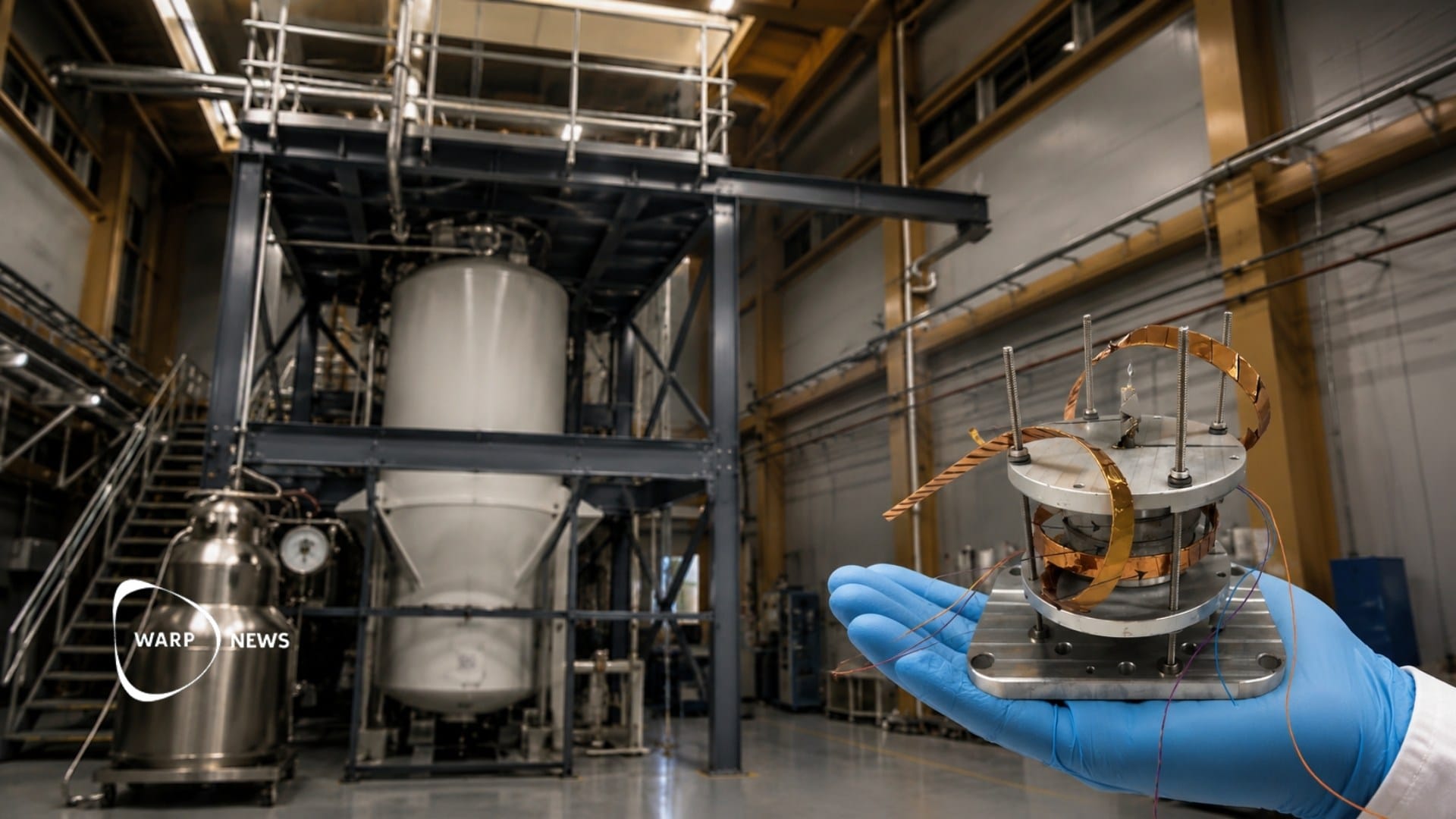
🧲 Researchers have shrunk giant magnets to the size of a palm
The new magnets are as strong as today's most powerful research magnets, which weigh several tons and are the size of a room. The magnets draw less electricity than an LED bulb, compared to the power consumption of several thousand households for traditional magnets of the same strength.
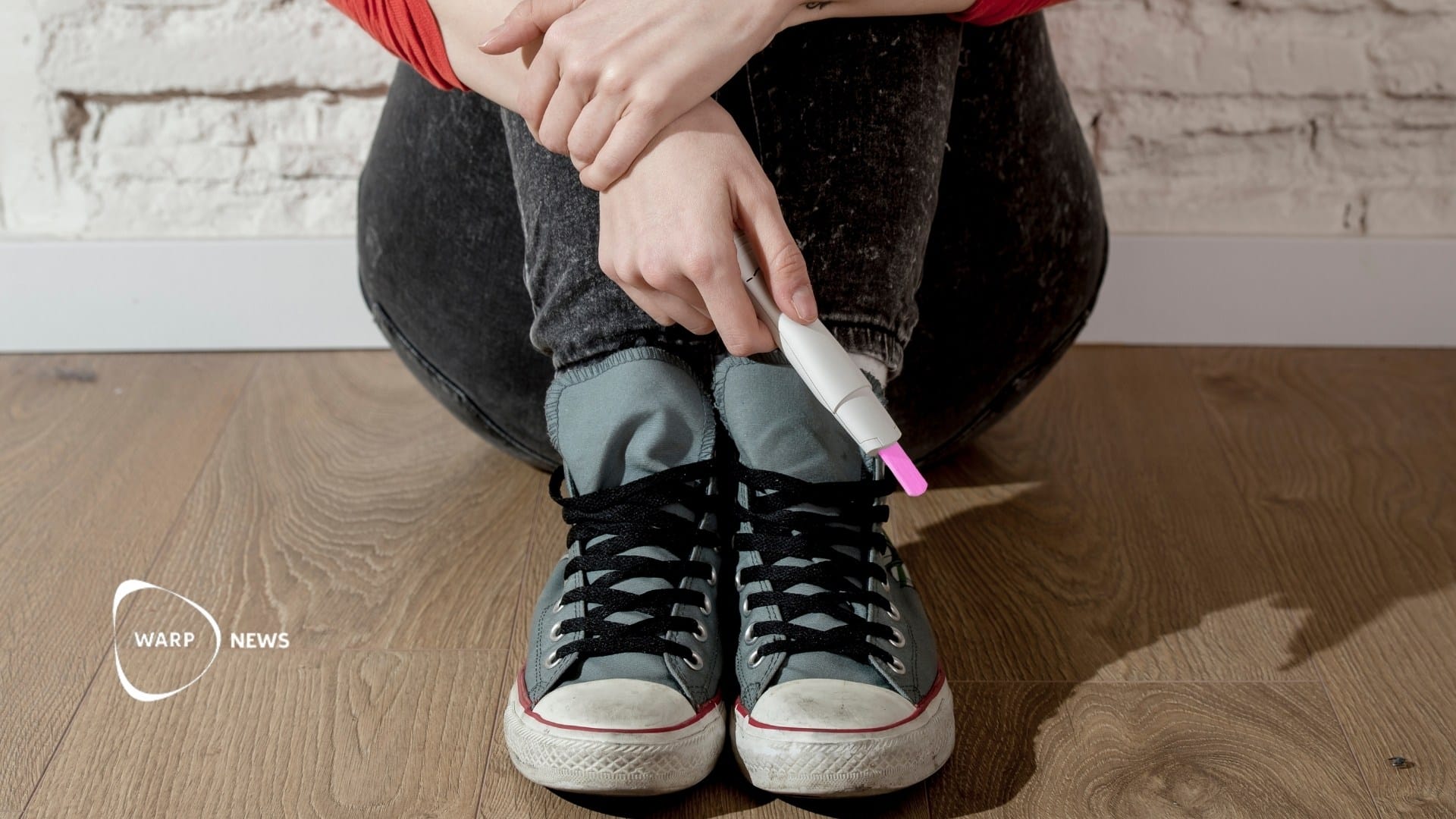
🤰 Teenage pregnancy rates have fallen sharply across the world
Globally, the number of births among teenage girls has fallen by over one-third since 2000. In Central and South Asia, the figure has dropped by over three-quarters during the same period. The decline is seen across all regions of the world, according to data from the UN.
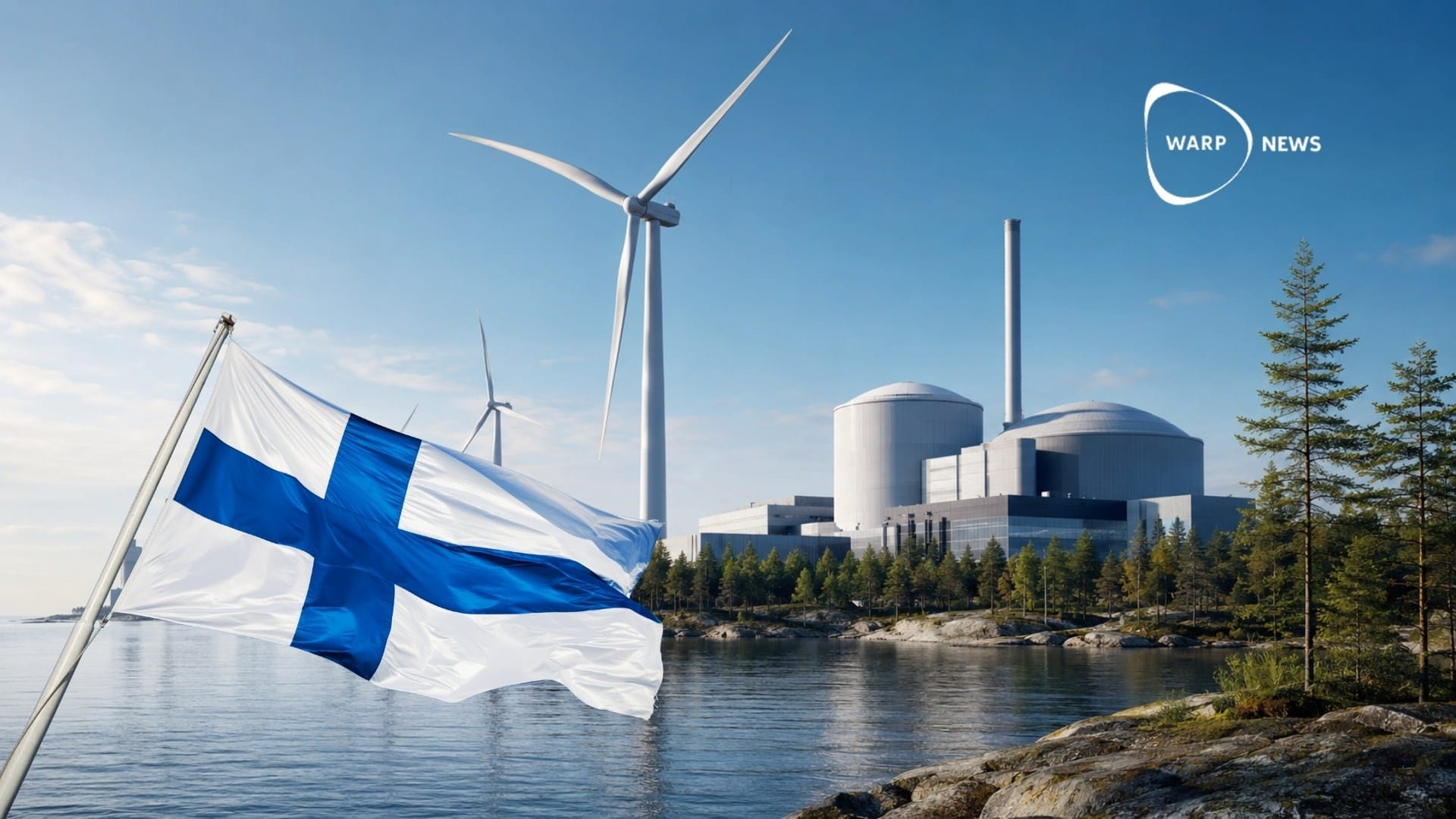
⚡ Finland has cut power sector emissions by 80 percent in a decade
Finland's emissions from electricity generation fell from nearly 15 million tonnes to around 3 million tonnes per year between 2016 and 2025. Nuclear and wind power together account for 64.5 percent of generation. The last coal plant was shut down in April 2025.
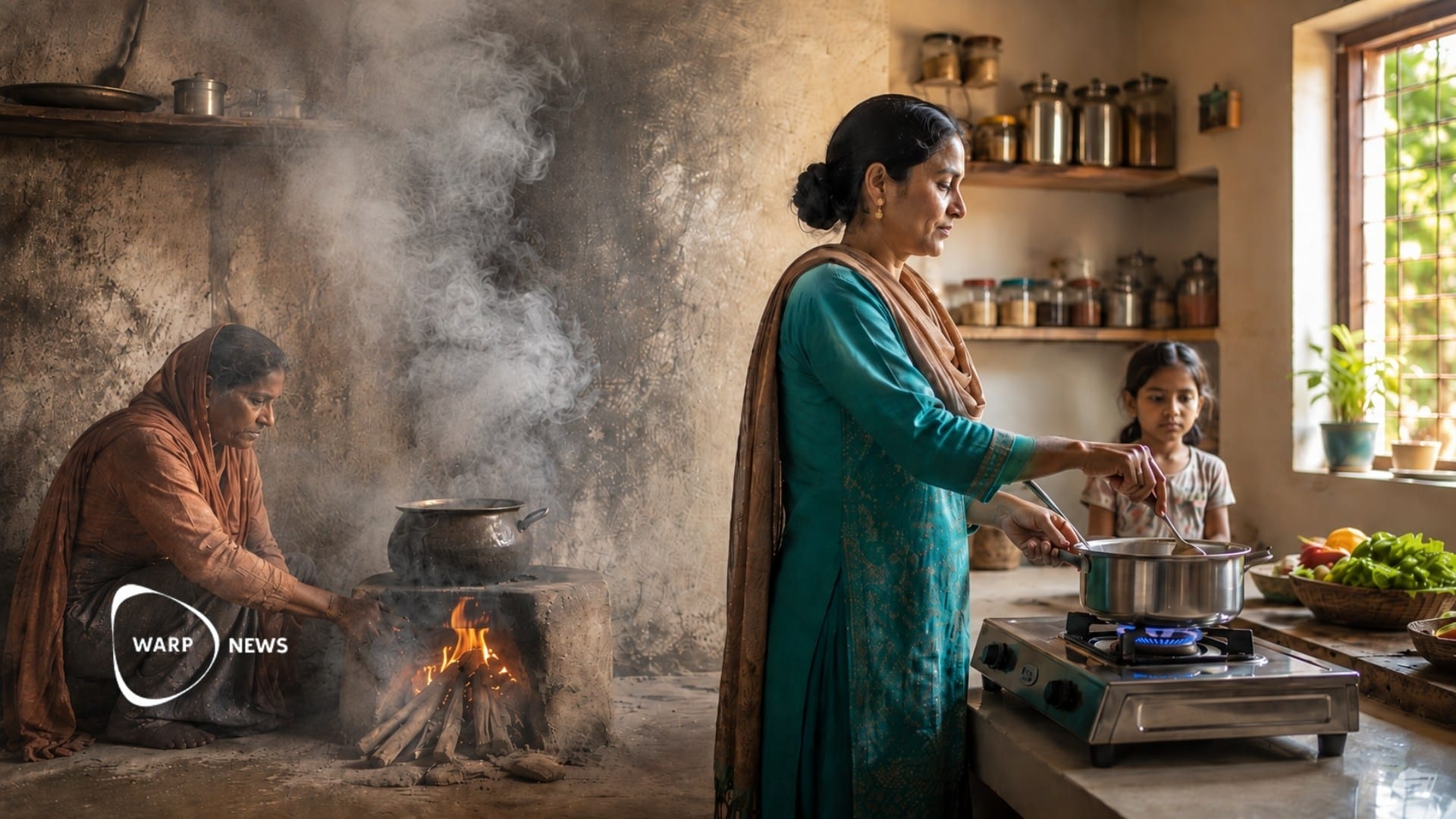
⚰️ Deaths from indoor air pollution have fallen by 1.5 million since 1990
The annual number of premature deaths from indoor air pollution has dropped from around 4.5 million to just under 3 million per year. The decline is driven by more people gaining access to cleaner cooking fuels. Asia accounts for the largest reduction, with deaths cut roughly in half.
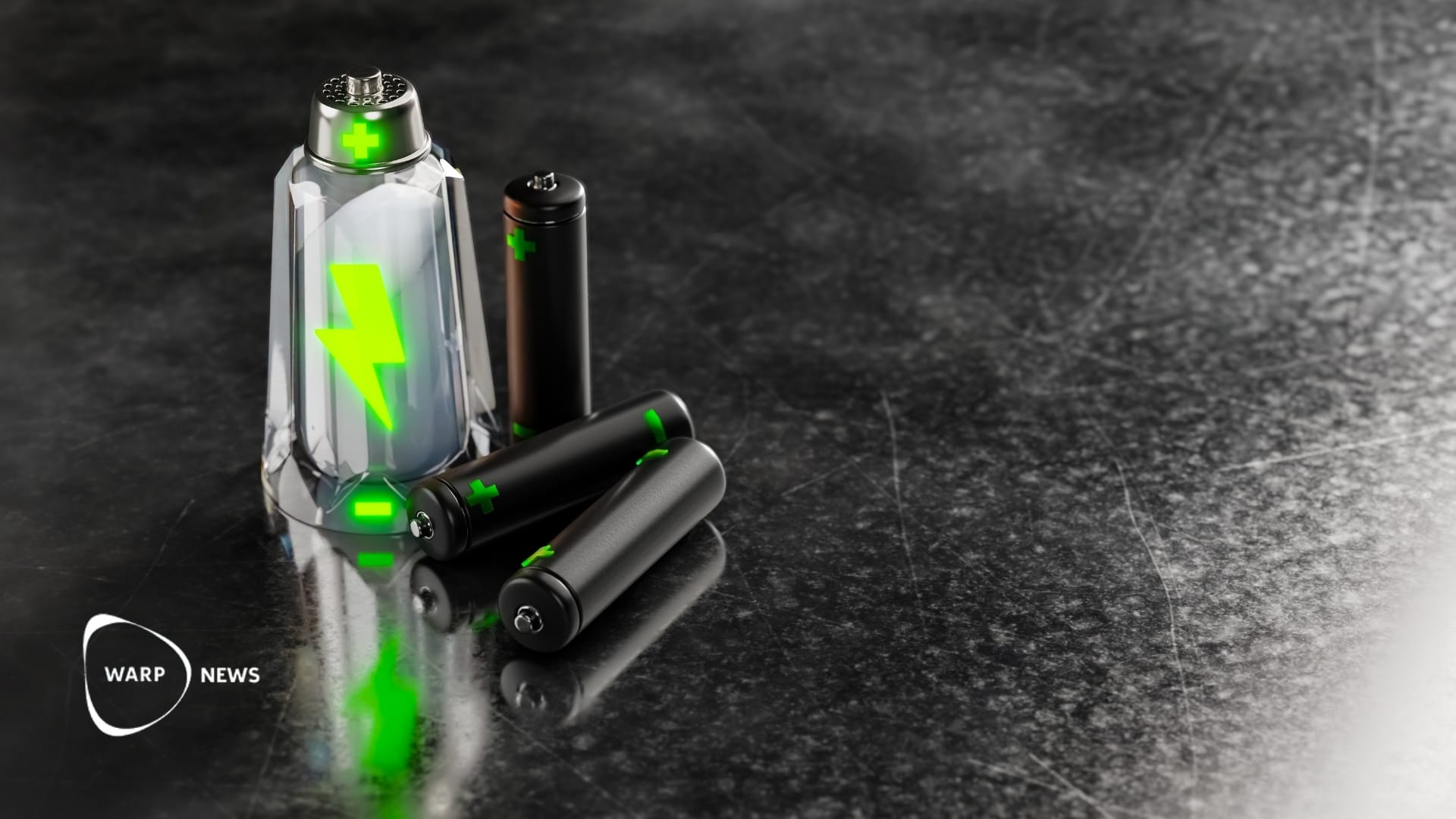
🔋 Sodium-ion batteries ready for mass market - cheaper and more durable than lithium-ion batteries
Sodium-ion batteries are cheaper and more durable than lithium-ion batteries, but have not been possible to manufacture at scale until now. CATL says the manufacturing challenges are solved. The cells handle more than 15,000 cycles, and sodium is 1,000 times more abundant than lithium.